Modified shipping containers are a practical and adaptable option for creating extra workspace. Learn how they can be tailored to meet the needs of a wide range of industries.
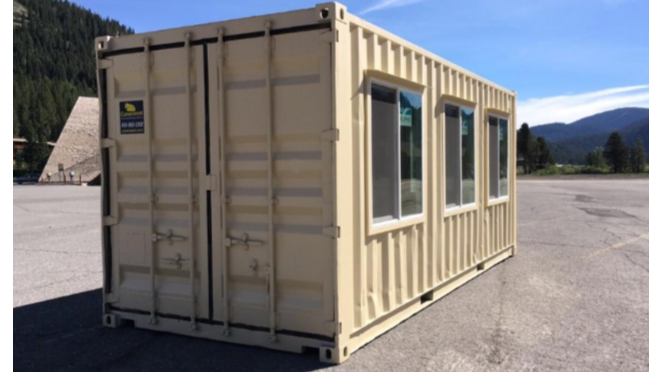
Finding the right workspace can be a challenge, particularly for businesses with projects that span multiple sites or require a rapid setup. Traditional brick-and-mortar offices aren’t always practical or cost-effective, especially when flexibility and mobility are key. As a result, many organizations are looking toward alternative solutions that can be deployed quickly and adapted as needs change.
In recent years, modified shipping containers have emerged as a popular choice across sectors ranging from construction and logistics to energy and events. Originally designed for transporting goods across long distances, these units have the structural strength, weather resistance and portability to make them suitable for a variety of non-traditional uses. When repurposed for office space, they offer a unique blend of durability and adaptability that conventional temporary structures often lack.
Modified shipping containers are one of the most flexible ways that many commercial clients find they can create additional, functional office space without needing to build a permanent structure.
They are also often recommended to any business that wants to keep their teams together in one place. As a recent study by McKinsey & Company revealed, keeping management and on-site and remote teams together is positively associated with improved project coordination, faster decision-making and higher overall productivity.
At the simplest level, shipping containers are often prized because of their durability as they are built to withstand harsh weather and conditions. Plus, despite being made of heavy and long-lasting Corten steel, they are also highly movable, coming with corner castings for stacking and for simple lifting via crane, as well as with two-way forklift pockets for simpler mobility around a job site.
You’ll find that most standard ground-level mobile office containers will offer comprehensive insulation for comfortable working temperatures regardless of exterior conditions, plus HVAC and electrical. They will also typically offer secure windows and personnel doors, durable flooring and a clean interior finish on the walls and ceilings.
“A standard ground-level office container should provide a spacious, secure, and climate-controlled environment for project managers, site supervisors, or temporary office operations,” said a spokesperson for Conexwest, a nationwide retailer of shipping containers. “A good container should be designed for comfort, durability, and quick deployment — offering a turnkey office solution wherever you need it.”
The good news is, there are now a lot of companies that are now in the business of building completely custom shipping container offices, which means that if you find the right vendor, your new modified container can be completely customized to your specifications to ensure that you get exactly what you need.
This could look like unique interior and exterior finishes, including custom branded paint jobs, restrooms with plumbing, lighting packages, cabinetry, custom doors and windows, and—at the more complex end—roof deck systems, conjoined containers, kitchen builds, and more.
However, as the level of customizations rises, so too does the cost, as well as the turnaround time on a new office container.
While there other tried-and-true solutions to the question of on-site and temporary office needs, including portable cabins, modular buildings and mobile trailers, modified shipping containers can offer businesses in the construction, logistics, warehousing, energy and event management spaces, and more, a cost-effective, scalable and easily deployable workspace solution that can adapt as their operational needs evolve.
The trick is to carefully assess your operational requirements, including space, layout, and amenities, before committing to a design. Considering factors such as the intended location, duration of use and potential for relocation can help ensure the container meets both immediate and long-term needs. Working with an experienced provider who can accommodate specific modifications and comply with relevant building or safety regulations will also make the process smoother and more efficient.
When chosen and configured thoughtfully, a modified shipping container can provide a versatile workspace that grows and moves with your business.


