Traditional office rent and lengthy construction timelines are draining project budgets, but there’s a mobile solution that’s transforming how businesses think about temporary workspaces. The key lies in understanding when these steel alternatives make financial sense.
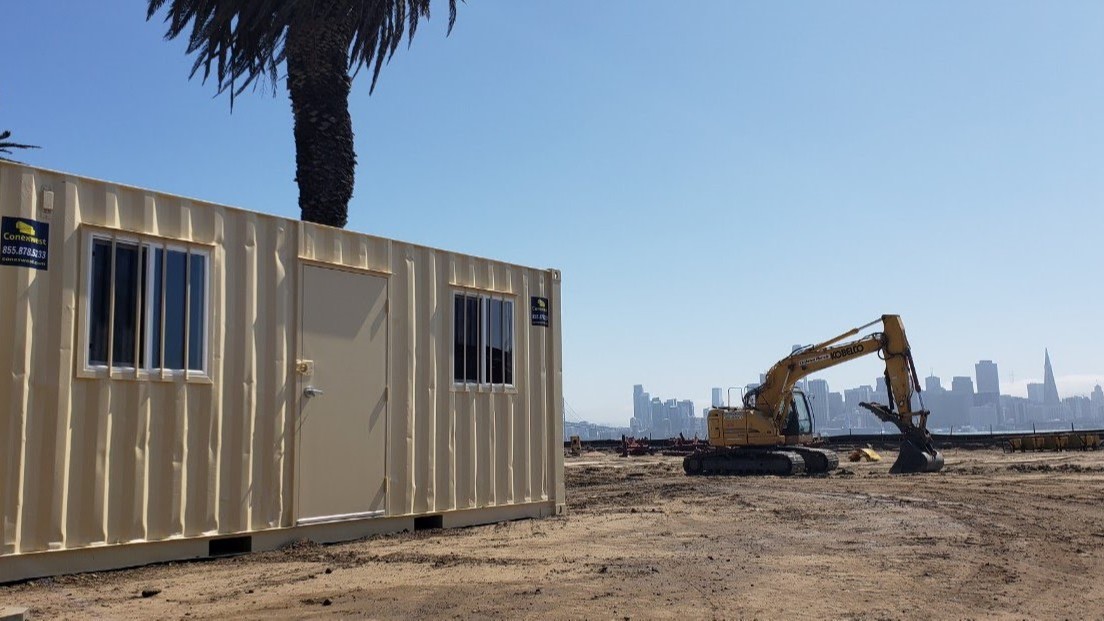
Construction managers and business owners face constant pressure to establish functional workspaces quickly while controlling costs. Traditional office solutions often fall short when projects demand flexibility, rapid deployment, or temporary facilities in challenging locations.
Mobile office shipping containers deliver substantial savings compared to conventional office arrangements. The elimination of monthly rent, property taxes, and maintenance expenses creates immediate cost advantages for businesses managing tight project budgets.
Construction companies often allocate significant portions of project budgets to temporary facilities and site management infrastructure. Container offices reduce these expenses while providing comparable functionality to traditional modular buildings. As an international provider, Conexwest specializes in delivering cost-effective container solutions that help construction managers optimize their site office investments without compromising on quality or functionality.
The upfront investment in a container office can provide attractive returns for projects lasting several months or longer, particularly when considering the resale value and potential for reuse across multiple projects. This economic advantage becomes more pronounced in markets with high commercial real estate costs.
Container office costs fluctuate based on size, customization level, and regional market conditions. Basic 20-foot containers with minimal modifications may start around $15,000, while fully equipped 40-foot units with premium features can reach $50,000 or more, depending on specifications and local market factors. Local permitting requirements, foundation needs, and utility connections add variable expenses that impact total project costs.
Geographic location significantly affects both container availability and modification pricing. Areas with active ports generally offer better container selection and competitive pricing, while remote locations may require additional transportation costs. Smart buyers factor these variables into their budget planning to avoid cost overruns.
Transforming a basic shipping container into a productive office environment requires strategic modifications that address comfort, safety, and operational needs. The most successful container offices prioritize employee comfort while maintaining cost efficiency through thoughtful design choices.
Proper insulation forms the foundation of any comfortable container office. Spray foam insulation on walls and ceiling prevents condensation while maintaining stable internal temperatures year-round. This modification reduces energy costs and creates a professional environment suitable for sensitive equipment and documents.
HVAC system sizing requires careful calculation based on container dimensions, insulation quality, and local climate conditions. Undersized units struggle to maintain comfort during extreme weather, while oversized systems waste energy and create humidity problems. Professional consultation ensures optimal system selection for specific regional requirements.
Modern container offices require electrical infrastructure supporting lighting, outlets, and data connectivity. Standard installations include LED lighting systems, multiple power outlets positioned for workspace efficiency, and dedicated circuits for high-power equipment like copiers or servers.
Internet connectivity options range from cellular boosters to satellite systems, depending on site location and bandwidth requirements. Construction sites often benefit from redundant connectivity solutions ensuring continuous communication with project stakeholders and remote teams.
Container offices house valuable equipment, confidential documents, and sensitive project information requiring robust security measures. Reinforced doors with multi-point locking systems provide basic protection, while electronic access control systems offer audit trails and flexible user management.
Security cameras, motion sensors, and alarm systems create protection packages tailored to specific risk profiles. Construction sites particularly benefit from integrated security solutions that monitor both office spaces and surrounding work areas.
Interior partitions transform single large spaces into functional work areas supporting different activities simultaneously. Removable wall systems offer flexibility for changing needs while maintaining structural integrity and fire safety compliance.
Thoughtful space planning maximizes productivity through dedicated areas for meetings, individual work, and storage. Successful configurations balance privacy needs with collaboration requirements, creating environments that support diverse work styles and project demands.
The inherent transportability of shipping containers provides unmatched flexibility for businesses operating across multiple locations or managing temporary projects. This mobility advantage distinguishes container offices from traditional modular buildings that require disassembly for relocation.
Construction projects benefit enormously from on-site office facilities that move with project phases. Container offices provide project managers, engineers, and contractors with centralized workspaces that eliminate communication delays and improve decision-making speed.
Site offices positioned strategically throughout large construction projects improve safety oversight and quality control. The ability to relocate offices as construction progresses ensures optimal positioning for project management efficiency while maintaining consistent workspace quality.
Emergency response teams require rapid deployment capabilities that container offices deliver exceptionally well. These mobile command centers establish operational bases quickly in disaster-affected areas, providing secure spaces for coordination, communication, and resource management.
The durability of container construction proves invaluable in disaster scenarios where traditional buildings may be compromised. Response teams depend on reliable workspace solutions that function effectively despite challenging environmental conditions and infrastructure limitations.
Shipping containers endure oceanic voyages and extreme weather conditions throughout their primary service life, creating inherently robust structures for office applications. The steel construction withstands high winds, heavy snow loads, and temperature extremes that challenge conventional building materials.
This durability translates directly into reduced maintenance costs and extended service life compared to alternative temporary building solutions. Container offices typically require minimal structural maintenance beyond basic cleaning and paint touch-ups, making them ideal for budget-conscious operations.
Security advantages stem from the solid steel construction that deters unauthorized access while protecting valuable contents. The original locking mechanisms designed for cargo protection adapt well to office security needs, providing peace of mind for valuable equipment and confidential documents.
Repurposing shipping containers for office use represents sustainable construction practices that reduce environmental impact. Converting containers diverts substantial amounts of steel from potential waste streams while eliminating the need for new construction materials.
The environmental benefits extend beyond material conservation to include reduced construction waste, shorter project timelines that minimize equipment emissions, and minimal site disruption compared to traditional building methods. This sustainability advantage appeals increasingly to environmentally conscious businesses and public sector organizations.
Modification choices significantly influence the overall environmental footprint of container office projects. Sustainable options include recycled insulation materials, energy-efficient lighting systems, and low-impact flooring solutions that maintain environmental benefits throughout the container's service life.
Regional material availability affects both environmental impact and project costs, making local sourcing strategies important considerations for environmentally conscious buyers. Thoughtful specification choices maximize sustainability benefits while maintaining functional performance requirements.
Successful container office deployments require careful planning and attention to regulatory requirements that many first-time buyers overlook. Learning from common mistakes prevents costly delays and ensures compliance with local regulations from project inception.
Local zoning regulations vary significantly regarding temporary structures and container buildings, making early consultation with building officials essential for project success. Some jurisdictions classify container offices as permanent structures requiring full building permits, while others treat them as temporary facilities with simplified requirements.
Permit applications should begin early in project planning to avoid construction delays. Requirements typically include foundation specifications, utility connections, and fire safety compliance that influence both timeline and budget considerations.
Proper foundation design ensures structural stability and regulatory compliance while preventing costly settling or drainage problems. Container weight distribution requires specific foundation approaches that differ from conventional building requirements.
Professional engineering consultation becomes essential for sites with challenging soil conditions, high water tables, or specific load-bearing requirements. Inadequate foundations create long-term problems that far exceed the initial cost savings of simplified approaches.
HVAC system selection requires careful analysis of container thermal properties, local climate conditions, and intended usage patterns. Steel construction and limited insulation space create unique challenges for maintaining comfortable interior conditions efficiently.
Oversized systems waste energy and create humidity problems, while undersized units fail to maintain comfort during peak demand periods. Professional load calculations ensure optimal system selection that balances comfort, efficiency, and operating costs.
Conexwest offers fabrication services that transform standard containers into fully functional workspaces. Their team handles design consultation through final installation, helping projects meet specific requirements while staying within budget constraints.
The company's customization capabilities include climate control systems, electrical installations, security features, and interior finishes that create professional work environments. Quality assurance processes and post-delivery support help ensure container offices perform reliably throughout their service life.
Ready-made office containers in 10-foot, 20-foot, and 40-foot configurations provide immediate solutions for businesses needing rapid deployment. These pre-configured units eliminate design delays while offering proven layouts optimized for common office applications and workflow requirements.
Contact Conexwest today to learn how their mobile office container solutions can provide cost-effective, customizable workspace solutions for your next project.


