Living in a cramped apartment? Your cluttered closet might be the reason your entire home feels chaotic and overwhelming. Find out why strategic multi-functional closet design is the secret to making small rooms feel surprisingly spacious and organized.
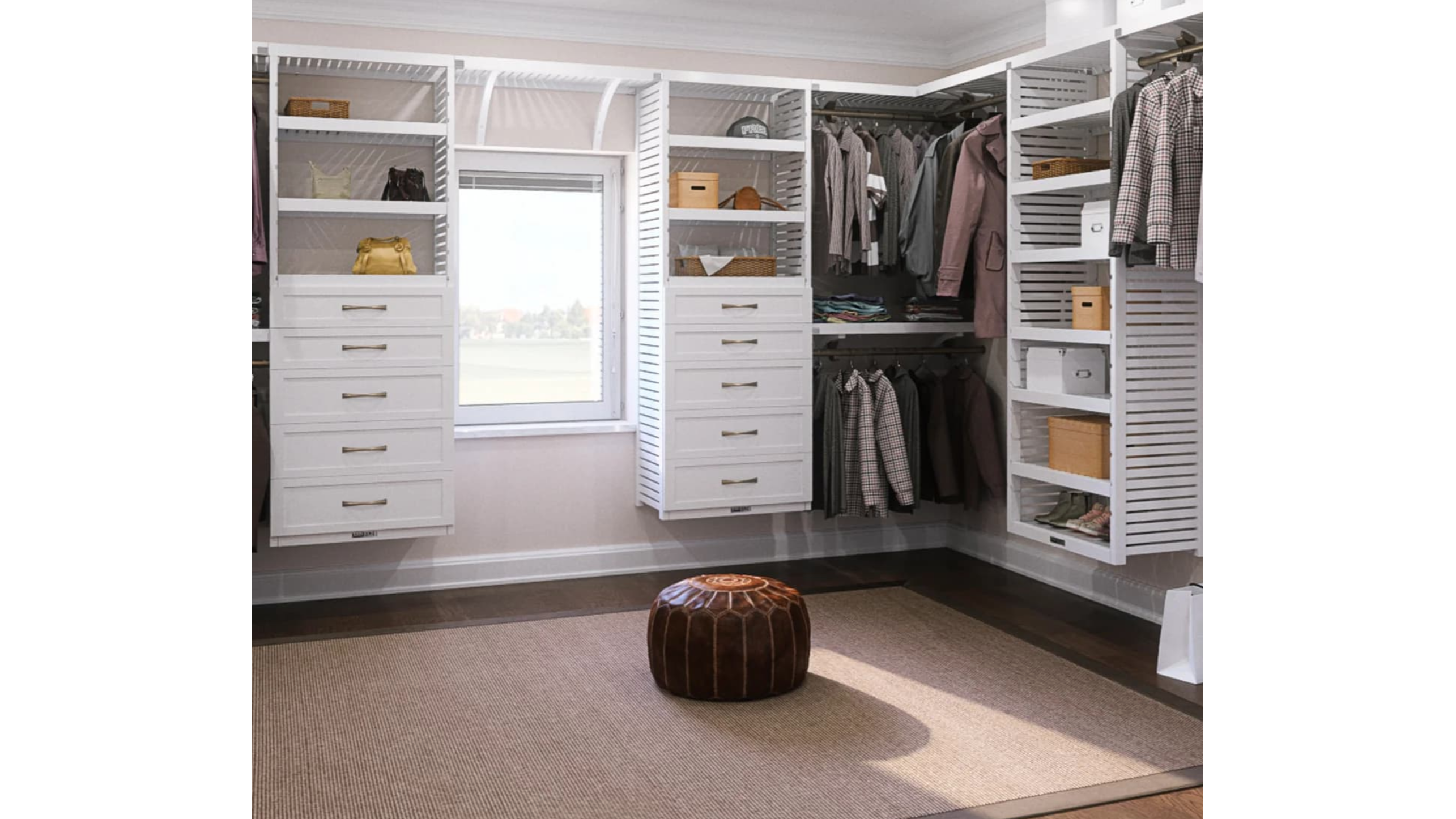
Living in a small apartment doesn't mean sacrificing organization or style. The key is reimagining every corner as an opportunity for multi-functional design—starting with one of the most overlooked areas: the closet.
Small-space living demands creativity, especially when it comes to storage. A cluttered closet can make an entire home feel overwhelming, but with the right design choices, it can become a hub of order that sets the tone for the rest of the space.
The transformation lies in treating closets as versatile zones rather than simple clothing racks. Minimalist-minded residents are increasingly using them to store work essentials, seasonal gear, and household items—all in ways that remain both accessible and stylish.
"Closets are often the most underutilized real estate in a home," note experts at John Louis Home, a company specializing in solid wood storage systems. "When designed with flexibility in mind, they can serve multiple purposes without sacrificing aesthetics."
This shift in perspective forces a natural editing process: belongings are curated, visible, and easy to reach. It's an approach that not only maximizes square footage but also reinforces minimalist principles by making every item earn its place.
In apartments where space is limited, single-purpose areas are a luxury few can afford. A closet that holds only clothes wastes valuable real estate that could also store linens, seasonal décor, or office supplies. Multi-functional systems ensure each square foot earns its keep.
Flexibility is the foundation of modern storage. These systems can turn cramped closets into efficient, multi-zone spaces that adapt to changing needs.
What might go unnoticed in a large house quickly becomes overwhelming in a small apartment. Multi-functional closet systems help by giving every item a defined place—making it easier to stay organized and spot when things are piling up. This built-in structure supports regular decluttering and prevents chaos from taking over.
Minimalist design relies on clean lines and simplicity to make small rooms feel bigger. A well-arranged closet supports this effect by reducing visual noise and guiding the eye smoothly through the space. Leaving intentional "breathing room" between sections of shelving or hanging storage also creates balance, making the entire home feel calmer and more open.
Shelves and rods placed at different heights capture unused air space between the floor and ceiling, dramatically expanding storage without taking up extra square footage. Frequently used items belong at eye level for convenience, while higher and lower areas can hold seasonal or less-used belongings. This simple hierarchy creates a system that's easy to keep up over time.
Closet needs shift with new jobs, hobbies, or living arrangements. Modular systems offer the flexibility to reconfigure components instead of starting from scratch. This adaptability is especially useful for renters, who often move between spaces of different sizes. Experts note that modularity keeps closets efficient through life transitions without compromising organization.
Some of the smartest closet features do double duty. Clothing rods with built-in hooks can hold both garments and accessories like scarves or belts. Pull-out valet rods, accessory compartments, and integrated drawers extend that versatility even further. Each feature maximizes every inch while keeping the overall layout clean and intentional.
A multi-functional closet works best when every category has its own space. Designating zones for clothing, linens, office supplies, or seasonal items prevents overlap and keeps order intuitive. Visual cues like shelf heights, bins, or dividers help reinforce those boundaries, making it easy for anyone in the household to find—and return—items where they belong.
The most convenient area—between shoulder and waist height—should hold the things you reach for every day. Work clothes, accessories, or frequently used documents belong here, where they can be accessed without stretching or bending. Placing essentials in this "prime real estate" reduces clutter creep by making it effortless to keep systems intact.
Stackable boxes and covered bins are ideal for out-of-season clothing, decorations, or rarely used equipment. These can be placed on higher shelves or tucked into deep corners, freeing up the main zones for everyday items. Keeping occasional belongings organized but out of sight preserves a clean, minimalist look while ensuring they're still easy to retrieve when needed.
With remote work on the rise, many small-space dwellers are turning closets into compact offices. A thoughtful setup can include a slim desk, file storage, and office supplies—while still leaving room for clothing. In studio or one-bedroom apartments, this solution makes it possible to have a dedicated workspace that disappears behind closed doors when the workday ends. Experts at John Louis Home note that closet offices are one of the most effective ways to balance function and aesthetics in small apartments.
Closets can also double as storage for towels, bedding, and everyday household items, particularly in apartments that lack a dedicated linen closet. Using matching bins or labeled containers keeps everything tidy while maximizing shelf and rod space. The result is a streamlined system where sheets, towels, and essentials are easy to access without adding clutter to living areas.
The benefits of a multi-functional closet go beyond simple storage. By reducing visual clutter and streamlining daily routines, these systems create a sense of calm and control that’s essential for comfortable small-space living.
Smart innovations like modular layouts, dual-purpose features, and vertical storage turn cramped quarters into organized, livable environments. When every item has a place and every square foot pulls double duty, even the smallest apartment can rival the efficiency and appeal of a larger home.
Closets should be treated as a core part of home design, not an afterthought. With thoughtful planning and quality systems, they become the foundation of minimalist living. For small-space dwellers ready to upgrade, John Louis Home offers multi-functional closet systems designed to bring calm and order into everyday living.


