Effective medical interpreters need linguistic proficiency, cultural competence, healthcare knowledge, and emotional intelligence to bridge communication gaps. Research shows that qualified interpreters improve outcomes, with patients reporting higher satisfaction and better understanding of their conditions.
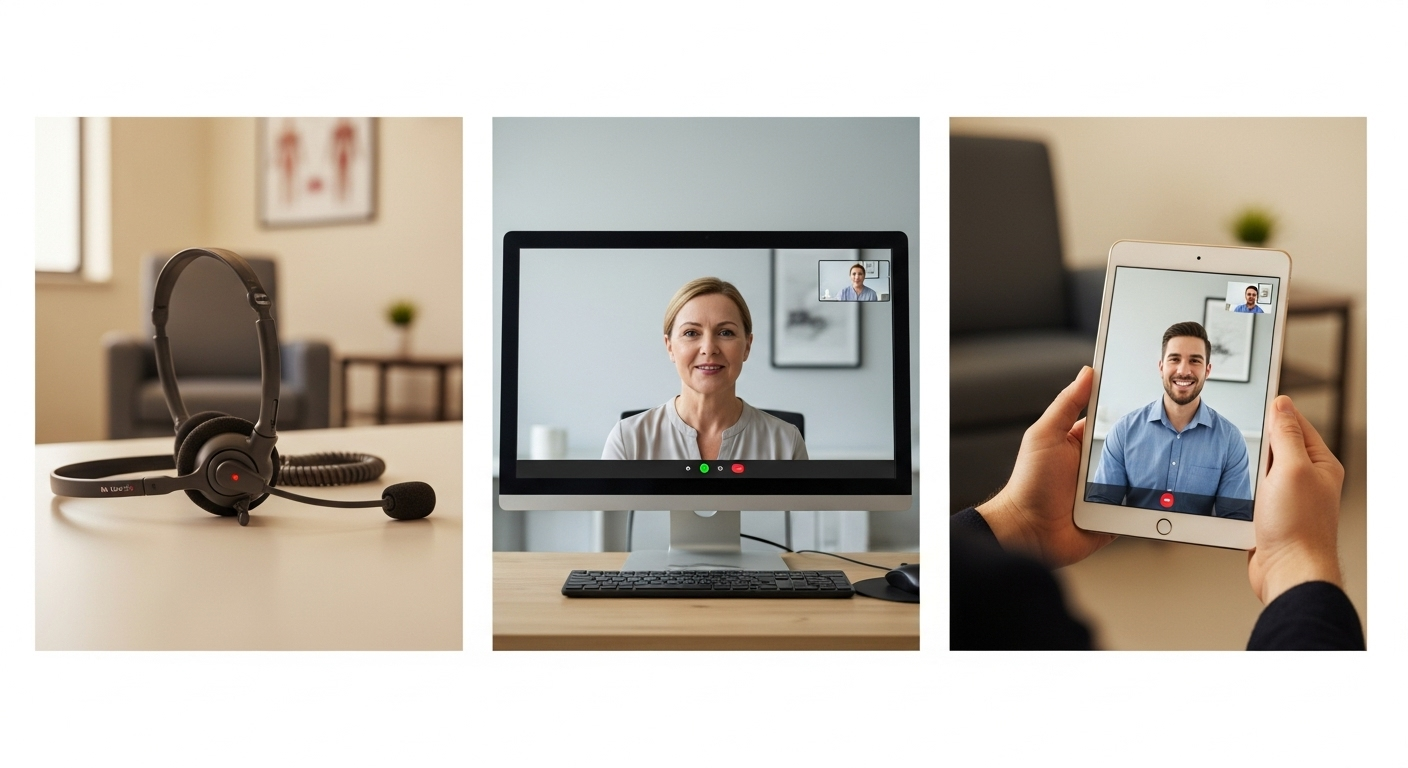
When your patients and clinical team don't speak the same language, serious problems such as wrong diagnoses, incorrect treatments, and patient dissatisfaction are common results. Professional medical interpreters bridge this gap by doing more than translating words – they help people from different cultures understand each other's medical needs.
Medical interpretation requires special training because one wrong word about medicine dosage could endanger your patients, and the specific challenges interpreters face daily might surprise even experienced healthcare workers. Understanding what skills to expect from qualified interpreters and knowing these challenges helps you provide better care.
At the core of medical interpretation lies a strong foundation of linguistic expertise. Medical interpreters must possess exceptional language skills in both the source and target languages, with particular emphasis on medical terminology that spans various specialties from cardiology to oncology, psychiatry to pediatrics.
Effective medical interpreters maintain an extensive vocabulary of specialized medical terms, abbreviations, and acronyms in both languages. They understand the Latin and Greek roots that form the basis of many medical terms, allowing them to quickly comprehend and accurately convert complex terminology. This knowledge goes beyond simple word-for-word translation to include understanding the contextual meaning of medical concepts.
A skilled interpreter can immediately translate terms like "myocardial infarction" or "cerebrovascular accident" while maintaining the precise medical meaning these terms convey. They also recognize when medical jargon should be simplified for patient understanding versus when technical precision is required for healthcare providers.
Medical interpretation requires sophisticated communication techniques that go beyond literal translation. Interpreters must master the art of consecutive interpretation, where they listen, process, and then interpret segments of speech, as well as simultaneous interpretation for fast-paced medical environments.
They must also be adept at managing the flow of communication, ensuring all parties have an opportunity to express themselves fully while maintaining the natural rhythm of a medical consultation. This includes knowing when to interrupt for clarification, how to manage overlapping speech, and techniques for memory retention during complex explanations.
The most critical linguistic skill is the ability to maintain complete fidelity to the original message. Medical interpreters must convey information without additions, omissions, or distortions that could alter the meaning of medical information. This requires exceptional concentration, memory, and attention to detail.
Accuracy extends to preserving not just what is said, but how it is said – including tone, emphasis, and emotional content. When a doctor expresses urgency about a treatment plan or a patient conveys uncertainty about symptoms, these nuances must be accurately interpreted as they can significantly impact clinical decisions and patient outcomes.
While linguistic skills form the foundation of medical interpretation, cultural competence fosters a deeper understanding between patients and providers from different backgrounds.
Healthcare practices, beliefs about illness, and treatment approaches vary significantly across cultures. Skilled medical interpreters understand how cultural backgrounds influence patients' perceptions of health, disease, and medical authority. They recognize when cultural factors might affect a patient's willingness to discuss certain symptoms, accept particular treatments, or adhere to medical advice.
For example, some cultures may view mental health issues as spiritual problems rather than medical conditions, or have strong preferences for same-gender providers for certain examinations. Interpreters who understand these cultural dimensions can help providers address these sensitivities appropriately.
Every culture has unique idioms, metaphors, and expressions related to health and the body that rarely translate directly. A skilled interpreter recognizes these expressions and can convert their meaning accurately rather than translating them literally.
When a patient from China describes that "my grandmother came yesterday" to indicate menstruation has begun, or when a Spanish-speaking patient says they have "susto" (fright illness), the interpreter must understand the cultural context to accurately convey the intended meaning to healthcare providers.
The most valuable aspect of cultural competence is the ability to build bridges of trust between patients and providers. Medical interpreters often serve as cultural mediators, helping each party understand the other's perspective, expectations, and communication style.
This mediation can involve explaining cultural customs or beliefs to providers, helping patients understand the rationale behind Western medical practices, or identifying when cultural misunderstandings might be occurring. Through these efforts, interpreters create an environment where patients feel respected and understood, and providers can deliver culturally appropriate care.
Medical interpreters occupy a unique position that requires them to understand and work with the perspectives of both healthcare providers and patients simultaneously. This dual perspective is essential for ensuring effective communication while maintaining the integrity of the medical encounter.
Healthcare providers and patients often have different priorities and approaches to communication during a medical encounter. Providers typically need specific, structured information to make clinical decisions, while patients may communicate in narrative, emotional, or culturally-influenced ways that don't always align with clinical frameworks.
Skilled interpreters recognize these differences and adeptly balance them. They help organize patient narratives into formats that provide clinicians with the information they need, while ensuring patients' concerns, fears, and questions are fully expressed and addressed. This balancing act requires exceptional listening skills, organizational thinking, and the ability to recognize what information is clinically relevant without filtering out important patient perspectives.
For example, when a patient provides a lengthy description of symptoms intermingled with personal stories, the interpreter must accurately convey the medically relevant details while preserving the patient's voice and ensuring their concerns are addressed. It is crucial to convey all information from the speaker to the listener as much as possible so the interpreter is not put into a position to judge what information is important and what isn't for either the doctor or the patient to understand.
Effective medical interpreters possess a solid understanding of healthcare systems, clinical protocols, and the roles of various healthcare professionals. This knowledge allows them to work within complex medical environments and help patients do the same.
Interpreters who understand the typical flow of different types of medical appointments—from initial consultations to specialized procedures—can better prepare patients for what to expect and help providers maintain their workflow efficiency. They recognize the purpose behind specific questions and procedures, allowing them to convey not just the words but the intent behind medical communications.
This understanding extends to familiarity with healthcare documentation, consent processes, and insurance systems that patients may need to work with, especially those from different countries with different healthcare systems.
One of the most delicate balancing acts for medical interpreters is developing trust and rapport with both patients and providers while maintaining appropriate professional boundaries. Interpreters often find themselves in emotionally charged situations where patients may view them as advocates or providers may expect them to take on roles beyond interpretation.
Professional interpreters establish clear boundaries that preserve their neutrality while still allowing for the human connection necessary to build trust. They use appropriate self-disclosure, empathetic responses, and professional demeanor to create rapport without becoming personally involved in the case or taking sides.
Medical interpreters frequently witness human suffering, communicate difficult diagnoses, and facilitate discussions about life-changing treatments. These emotionally charged situations demand high levels of emotional intelligence and self-regulation to ensure effective interpretation.
When interpreting conversations about terminal diagnoses, traumatic experiences, mental health crises, or other emotional situations, interpreters need specific skills to remain effective. These include:
Skilled interpreters can convey a doctor's compassion when delivering difficult news or accurately reflect a patient's distress without becoming emotionally overwhelmed themselves.
Medical environments can be fast-paced, high-pressure settings where interpreters must remain calm and focused. Effective strategies for maintaining composure include:
These techniques help interpreters deliver accurate interpretation even in emergency situations, complex medical discussions, or lengthy appointments that lead to cognitive fatigue.
The emotional demands of medical interpretation can lead to compassion fatigue, vicarious trauma, and burnout if not properly managed. Professional interpreters develop robust self-care practices, including:
Medical interpreters who master the complex array of linguistic skills, cultural competencies, dual perspectives, and emotional intelligence do more than facilitate communication—they help you heal by ensuring that language barriers never prevent patients from receiving the care they need and deserve.
If you're looking to overcome language barriers in your healthcare facility, Gateway Languages provides professional medical interpretation services that ensure accurate, culturally sensitive communication between providers and patients.


