Do you experience high stress levels every day? You may be at risk for developing heart disease, but that’s not the only contributing factor. Continue on to learn about other risk factors and what you can do to prevent a catastrophic cardiovascular event from occurring.
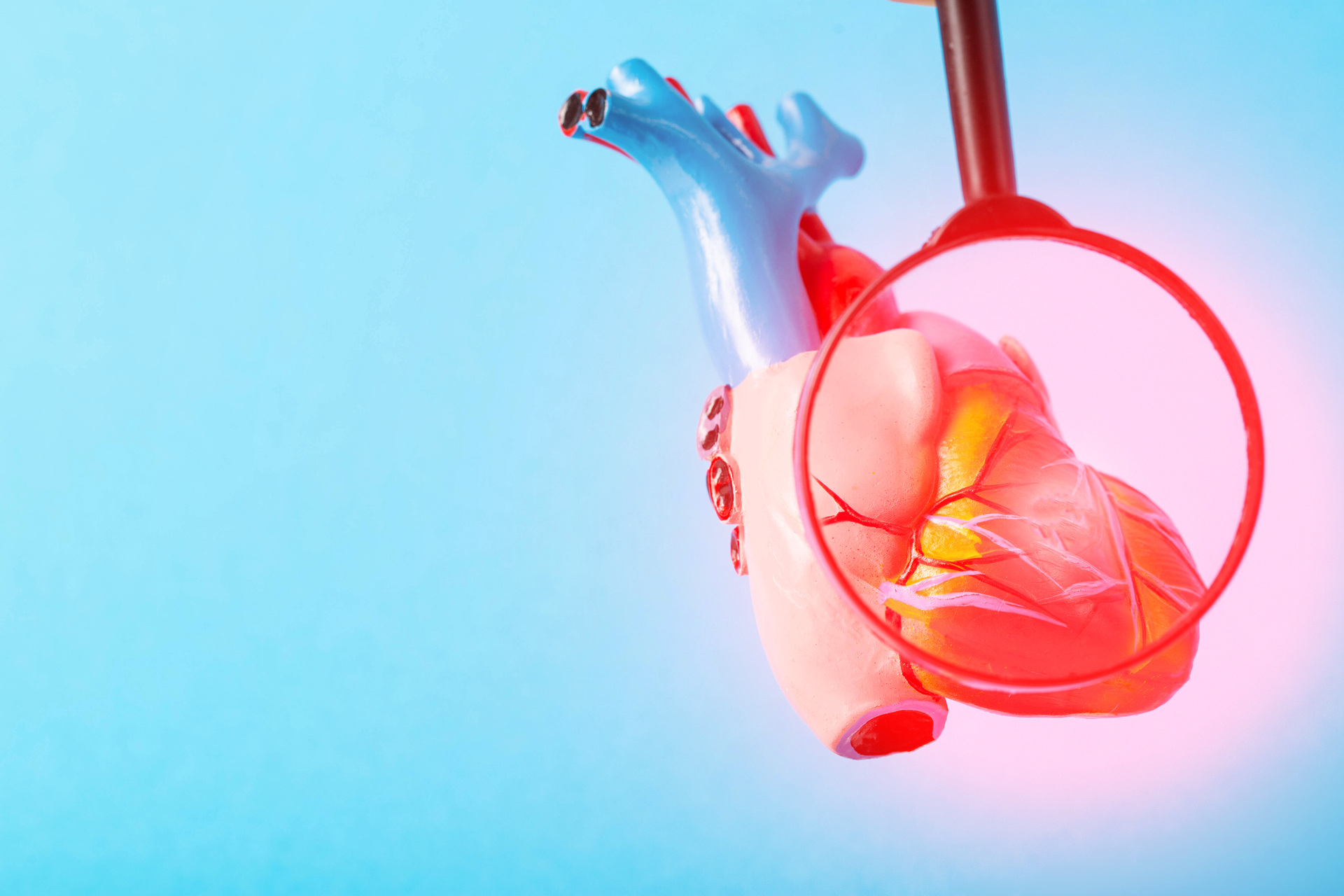
Every 34 seconds, someone in the U.S. dies of cardiovascular disease. If you’re worried that you’ll be one of them, don’t be - heart attacks, stroke, and other catastrophic cardiovascular events are actually preventable. But that’s only if you know what your risk factors are and are taking proactive measures to manage them.
Luckily, with all the advances in healthcare, it’s becoming increasingly easy to evaluate your risk for heart disease and stroke with noninvasive diagnostic tests. Finding the right cardiac specialist to help guide your personalized care plan is key to preventing heart health issues before they even start.
Heart disease remains one of the leading causes of death in America. According to the American Heart Association, nearly 2,500 people die from cardiovascular disease every day, a number that is expected to increase as factors contributing to risks continue to rise throughout the country. Of these risk factors, stress is often overlooked, but many experts say that it can negatively impact heart function: chronic stress causes higher levels of inflammation that can accelerate plaque buildup in the arteries, which may result in coronary artery disease and other issues that increase the risk of heart attack and stroke; stress also stimulates the production of adrenaline, which quickens the heartbeat and increases blood pressure - another risk factor for heart disease.
However, health professionals note that cardiovascular disease is preventable over 90% of the time and individuals can avoid it by proactively working with a medical specialist. Preventive cardiology focuses on managing these factors, which, in addition to stress, include high cholesterol, high blood pressure, smoking, inactivity, diabetes and obesity. Physicians that specialize in heart disease, like Dr. Bradley Radwaner at The NY Center for the Prevention of Heart Disease, say that diagnostic testing can assess a patient’s risk of heart attacks and stroke, allowing them to prevent heart attacks, strokes and other catastrophic medical events.
You may be wondering what to expect if you book an appointment with a cardiovascular clinic. Many diagnostic tests are often used in the field, but there are some important ones to keep in mind.
Cholesterol testing is one of them. These tests often involve a detailed lipid analysis, which can help you identify how much LDL - the “bad” cholesterol that can cause heart disease - you have in your body. The Boston Heart Diagnostic lab is the most advanced cholesterol lab in the nation, and checks high levels of lipoprotein a (Lpa), something often missed in routine cholesterol labs.
Blood pressure tests are also an accurate indicator of your likelihood of developing cardiovascular disease; the higher your blood pressure, the more at risk you are. Similarly, clinicians will test for blood sugar levels, since diabetes is associated with a greater risk of heart attacks and strokes.
Finally, imaging procedures can help detect blockages and other risk factors with certainty. If you’re worried about your heart health, a Coronary CT Angiogram with AI plaque analysis by either Cleerly or Heart Flow is the definitive test healthcare professionals offer to check your arteries.
Some risk factors, like age and family history can’t be changed. If you already have a condition like atrial fibrillation or high blood pressure, you may be prescribed medication that can manage it.
However, in most cases, heart disease can actually be prevented with some lifestyle changes and if needed, medication. Managing your stress levels is one of them, since high stress can contribute to your risks of developing heart disease; regular physical activity, dietary changes, and good sleep hygiene, including making sure you do not have obstructive sleep apnea, will strengthen your heart.
If you smoke or drink alcohol, you may also be advised to stop doing both, since they’re also huge factors for heart disease.
Just remember: healthcare experts will give you the best possible guidance, but you must take responsibility for your cardiovascular health along with guidance from your cardiologist.


