From the holy trinity of horology to rising mid-tier players, 2025’s luxury watch landscape continues to shift. Based on the latest market reports, here’s how the top brands stack up in terms of sales, collector appeal, and long-term value.
The global luxury watch market is growing fast—expected to hit anywhere between $61.2 billion and $134.5 billion by 2032, depending on who you ask. But among hundreds of brands and limited releases, only a select few consistently dominate the charts in both volume and value.
So where do industry titans like Rolex, Omega, and Audemars Piguet actually rank this year?
Recent market reports from Morgan Stanley, LuxeConsult, and other leading analysts shed light on 2025's biggest players, and the findings reveal clear winners (and some surprises).
With over $12 billion in 2024 revenue and 1.17 million units sold, Rolex continues to outpace every other luxury brand in volume and market share. It holds a 32% global market share, with collector interest accounting for 37% of secondary market demand (The Bezel Report). Despite a modest 2.1% YoY price dip, Rolex remains the benchmark for trade-in value and long-term retention.
Ranking third in market value at $2.73 billion, Omega offers wide appeal at more accessible prices ($7,661 avg. per unit)—making it a go-to for new and returning collectors. Its 2025 market share sits around 7%, and it captured 15% of resale transactions, reinforcing its relevance in both retail and pre-owned circles.
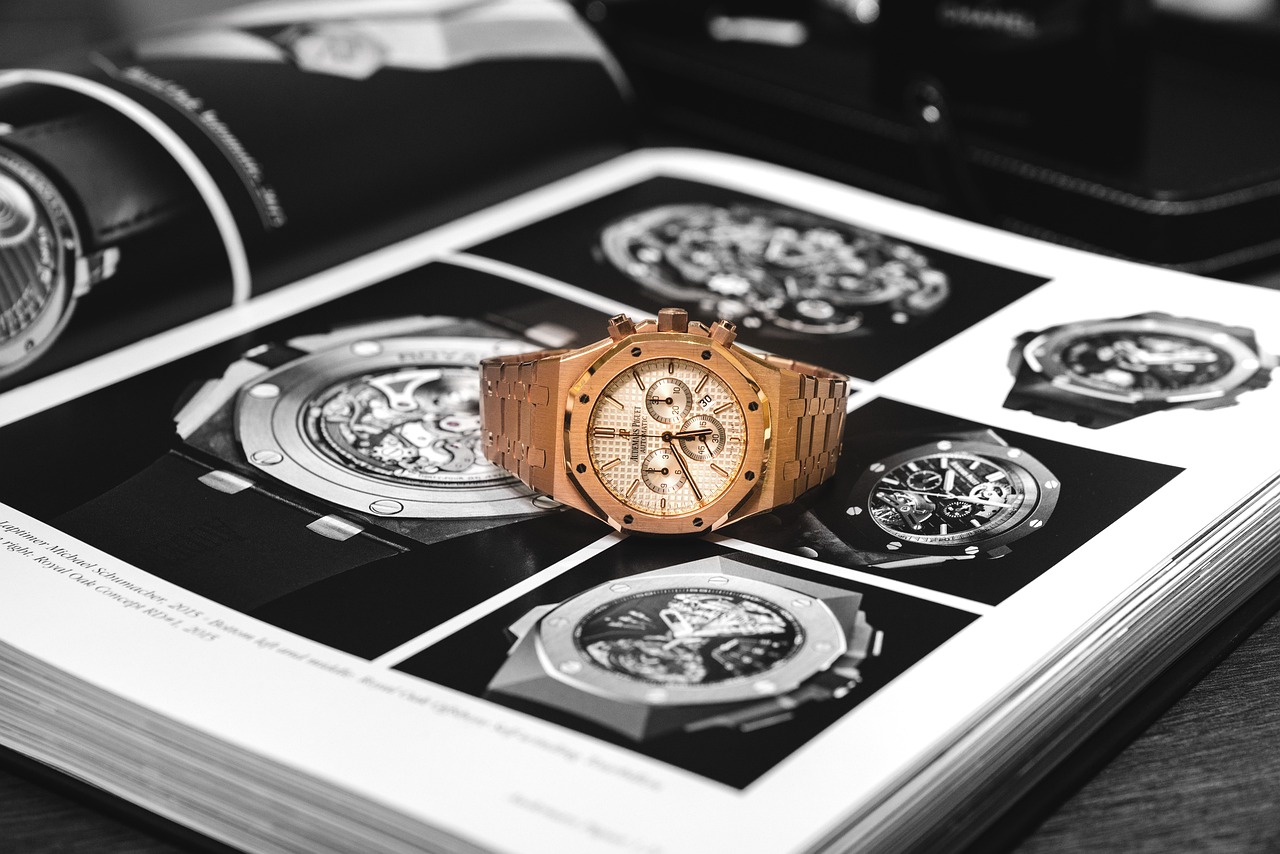
While AP sold just 51,000 units, it brought in nearly the same revenue as Omega at $2.71 billion, thanks to its high average price point ($55,946). The remains a standout, trading for 30%+ above retail on the secondary market. With inventory tightening and selective discontinuations (like in the CODE 11.59 series), AP's exclusivity continues to fuel demand.
Known for legacy, craftsmanship, and resale value, Patek ranks in the top five by market value ($2.62 billion) despite lower volume (72,000 units). Its average retail price approaches $50,000, securing its place as a generational heirloom brand.
With an eye-watering average price of $310,000 per watch and just 5,700 units sold, Richard Mille plays in the ultra-elite category. While not a volume contender, its visibility among celebrities and collectors keeps demand steady.
With $3.63 billion in revenue and 680,000 units sold, Cartier is a commercial success, but its average price ($6,488) and resale performance position it more as an entry-level luxury option. Its strength lies in design heritage and wide accessibility.
Noted for reliable Swiss craftsmanship, both brands offer popular models at lower price points. However, they don't carry the same resale weight or collector hype as brands in higher tiers.
While resale values fluctuate across brands, collectors looking to trade up are paying closer attention to market-aligned pricing and authentication guarantees.
According to experts at , an online platform that tracks secondary market demand, watches from Rolex, Omega, and AP routinely receive the strongest trade-in offers, especially when accompanied by original papers and boxes.
Collectors considering a swap should consult trusted resellers who offer real-time valuations, expert authentication, and transparent turnaround times—key factors in preserving value and avoiding counterfeit risks.
Bottom line? Your wrist tells a story. If it's time for a new chapter, make sure it starts with reliable data and the right .


