Millions of Australian men suffer from low testosterone without realizing it – and it’s not just an “older man’s problem.” For those experiencing chronic fatigue, muscle loss, or mood changes, the real cause might be surprising.
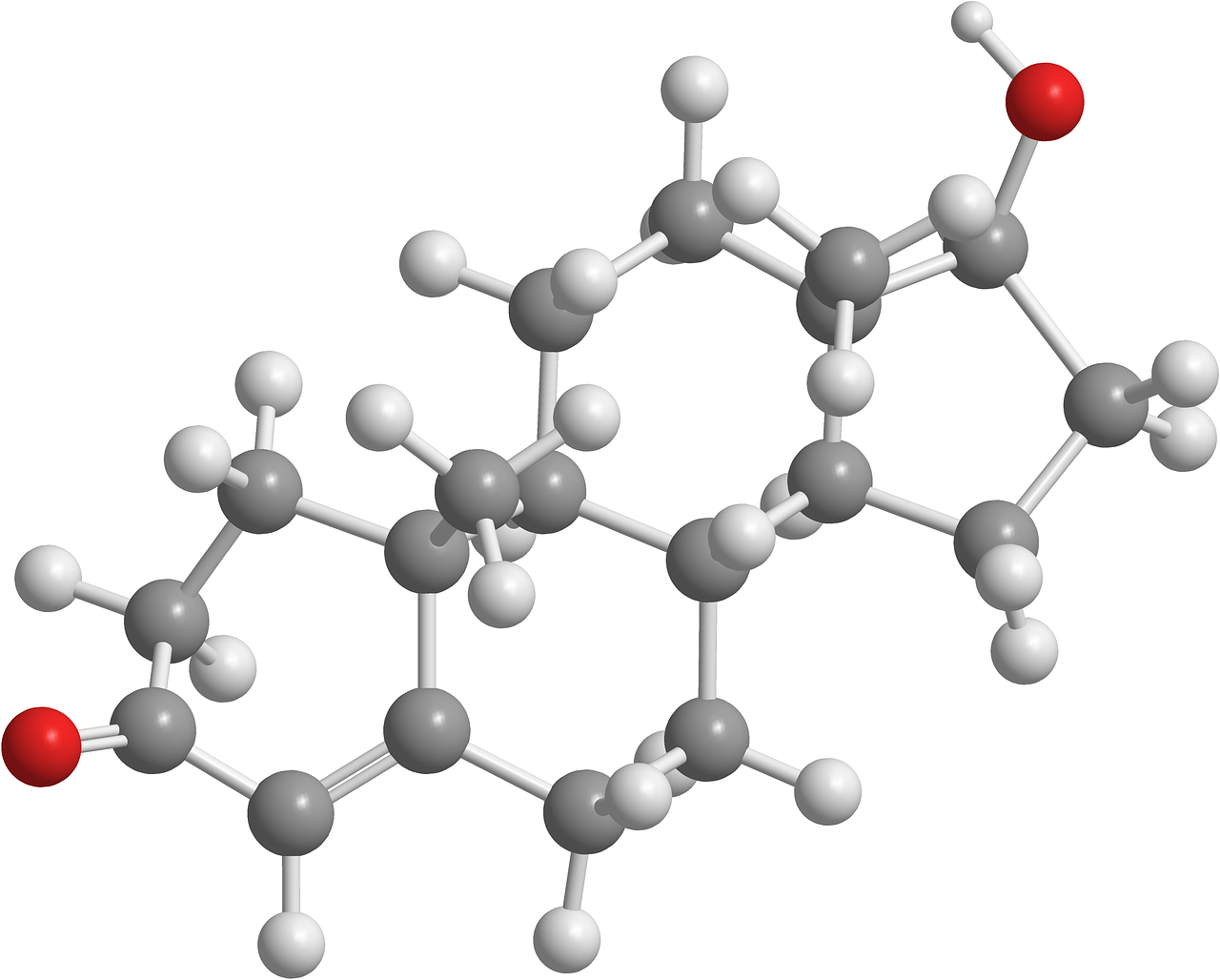
Misinformation about low testosterone creates unnecessary barriers for millions of Australian men affected by this treatable condition. Understanding the facts helps separate genuine symptoms from normal ageing, enabling informed decisions about diagnosis and treatment options—critically important in light of a recent study by The University of Western Australia which found that low are linked to increased risk of death.
Low testosterone isn’t limited to older men. While testosterone levels naturally begin to decline after around 30 years of age, clinically low levels can occur at any stage of adulthood and even in men in their twenties or thirties.
According to the Endocrine Society of Australia, the diagnosis of testosterone deficiency (hypogonadism) is based on both clinical symptoms and pathology-confirmed low serum testosterone levels. In general, total testosterone below 8 nmol/L is considered very low, while levels between 8–15 nmol/L warrant further investigation depending on symptoms, free testosterone levels, and other supporting blood indicators.
A significant proportion of Australian men present with testosterone levels below the optimal physiological range, often resulting in symptoms such as fatigue, reduced libido, mood changes, and decreased muscle mass. Early detection and proper medical assessment are essential for restoring hormonal balance and supporting long-term health at any age.
Professional assessment becomes crucial for proper diagnosis and treatment planning, says .
Chronic fatigue represents one of the most common early indicators of testosterone deficiency. This isn't ordinary tiredness after a long day – it's persistent exhaustion that doesn't improve with rest or sleep. Men often describe feeling drained even after adequate recovery time.
Muscle mass naturally decreases with low testosterone, leading to reduced strength and exercise tolerance. Simultaneously, body fat distribution shifts, with increased accumulation around the midsection despite maintaining previous dietary habits. These physical changes occur gradually, making them easy to dismiss as normal ageing.
Sexual dysfunction is a common symptom in men diagnosed with low testosterone. Decreased interest in sexual activity often develops first, followed by difficulties achieving or maintaining erections. These symptoms can significantly impact relationships and self-confidence.
The connection between testosterone and sexual function goes beyond desire – this hormone plays essential roles in blood flow regulation and genital tissue health. Understanding these physiological connections helps explain why sexual symptoms often improve with appropriate treatment.
Testosterone significantly influences neurotransmitter production and brain chemistry regulation. Low levels can trigger mood instability, increased irritability, difficulty concentrating, and depressive symptoms. These mental health changes often develop subtly, making them challenging to recognise initially.
Depression associated with testosterone deficiency differs from other forms, as it typically includes physical symptoms like fatigue and reduced motivation alongside emotional changes. Professional evaluation helps distinguish hormonal causes from other mental health conditions requiring different treatment approaches.
The misconception that testosterone deficiency only affects older men prevents many younger individuals from seeking diagnosis. While testosterone production naturally decreases approximately 1% annually after age 30, significant deficiency isn't an inevitable part of ageing.
Various factors can cause testosterone levels to plummet at any age, including genetic conditions, injuries, infections, chronic illnesses, medications, and lifestyle factors. Young men experiencing symptoms shouldn't assume they're "too young" for hormonal issues.
A persistent myth suggests testosterone replacement therapy increases sperm production – the opposite is actually true. Testosterone therapy can significantly decrease sperm count and potentially affect fertility. This occurs because external testosterone signals the body to reduce its own production, including the hormones necessary for sperm development.
Men planning to father children should discuss fertility implications with their healthcare provider before starting testosterone therapy. Alternative treatments or modified approaches may be recommended to preserve reproductive function while addressing testosterone deficiency.
Research demonstrates clear connections between testosterone deficiency and cardiovascular disease development. Low testosterone levels increase risks of developing coronary artery disease, metabolic syndrome, and type 2 diabetes. These conditions often develop gradually, making early intervention crucial.
Testosterone replacement therapy may improve some cardiovascular outcomes in appropriately selected patients, with studies showing potential benefits for myocardial ischemia in men with coronary artery disease and improved exercise capacity in those with congestive heart failure. However, the relationship between testosterone and cardiovascular health is complex and requires careful evaluation by a healthcare professional.
Men with very low testosterone levels face significantly higher all-cause mortality risks compared to those with normal levels. This stark statistic underscores the importance of proper diagnosis and treatment for severe testosterone deficiency.
The mortality association likely reflects testosterone's widespread influence on multiple organ systems, including cardiovascular health, muscle mass maintenance, and metabolic function. Addressing deficiency may help reduce these serious long-term health risks.
Blood Testing: Understanding What’s Considered Low
Diagnosing testosterone deficiency requires blood testing, typically performed in the morning when testosterone levels are at their natural peak. Because levels can fluctuate due to factors such as illness, stress, or certain medications, repeat testing is often recommended to confirm results.
In Australia, total testosterone levels are generally measured in nanomoles per litre (nmol/L) rather than ng/dL. A total testosterone level below 8 nmol/L is considered very low, while readings between 8–15 nmol/L may warrant further investigation — particularly when symptoms and other hormonal markers support possible deficiency.
It’s important to recognise that “normal” ranges can vary between individuals. Some men may experience symptoms despite results falling within the reference range, while others may remain symptom-free with lower readings. For this reason, the most accurate diagnosis comes from combining clinical assessment with comprehensive pathology review, rather than relying on a single numerical value.
Professional medical evaluation goes beyond simple blood testing. Healthcare providers assess symptoms, medical history, physical examination findings, and potential underlying causes before recommending treatment. This approach helps rule out other conditions that might mimic testosterone deficiency.
Self-diagnosis and treatment carry significant risks, particularly when using unregulated products or inappropriate dosages. Professional supervision ensures safe, effective treatment while monitoring for potential side effects or complications.
Testosterone replacement therapy comes in multiple forms, each with distinct advantages and considerations. Topical options like creams and gels provide steady hormone delivery but require daily application and careful attention to prevent transfer to others. Care should be taken to avoid skin-to-skin contact with women and children after application. Patches offer convenience but may cause skin irritation in some users.
Injectable testosterone provides longer-lasting effects, typically administered weekly or bi-weekly, but requires proper injection technique and may cause fluctuating hormone levels between doses. Some formulations of long-acting testosterone can be given by injection every 10 weeks, but must be administered in a medical office. The choice between delivery methods depends on individual preferences, lifestyle factors, and medical considerations.
Lifestyle modifications can significantly impact testosterone production, particularly for men with obesity or sedentary lifestyles. Weight loss and increased physical activity have been shown to raise testosterone levels naturally, but may not be sufficient for all men, and hormone replacement therapy may still be necessary in some cases.
Resistance training and high-intensity interval exercise appear most beneficial for testosterone production. However, overtraining, characterized by excessive exercise without adequate rest, can lead to a decrease in testosterone levels. Finding the right balance of intensity, duration, and frequency is key.
Testosterone medications are controlled substances requiring physician prescription and monitoring. Unsupervised use carries serious risks, including excessive hormone levels leading to blood clots, stroke, enlarged breast tissue, and suppression of natural testosterone production.
Regular monitoring during treatment includes blood tests to ensure appropriate hormone levels, assessment of symptom improvement, and screening for potential side effects. This ongoing supervision optimises treatment effectiveness while minimising health risks.
Recognising low testosterone symptoms marks the first step toward reclaiming energy, vitality, and overall health. Professional evaluation provides accurate diagnosis, personalised treatment planning, and ongoing medical supervision necessary for safe, effective hormone therapy.
Evidence-based approaches to testosterone deficiency can address symptoms, reduce health risks, and improve quality of life when properly implemented under .


