Looking to upgrade your yard without the upkeep? These native Louisiana plants are adapted to thrive in our climate—saving you time, water, and worry while supporting the local ecosystem.
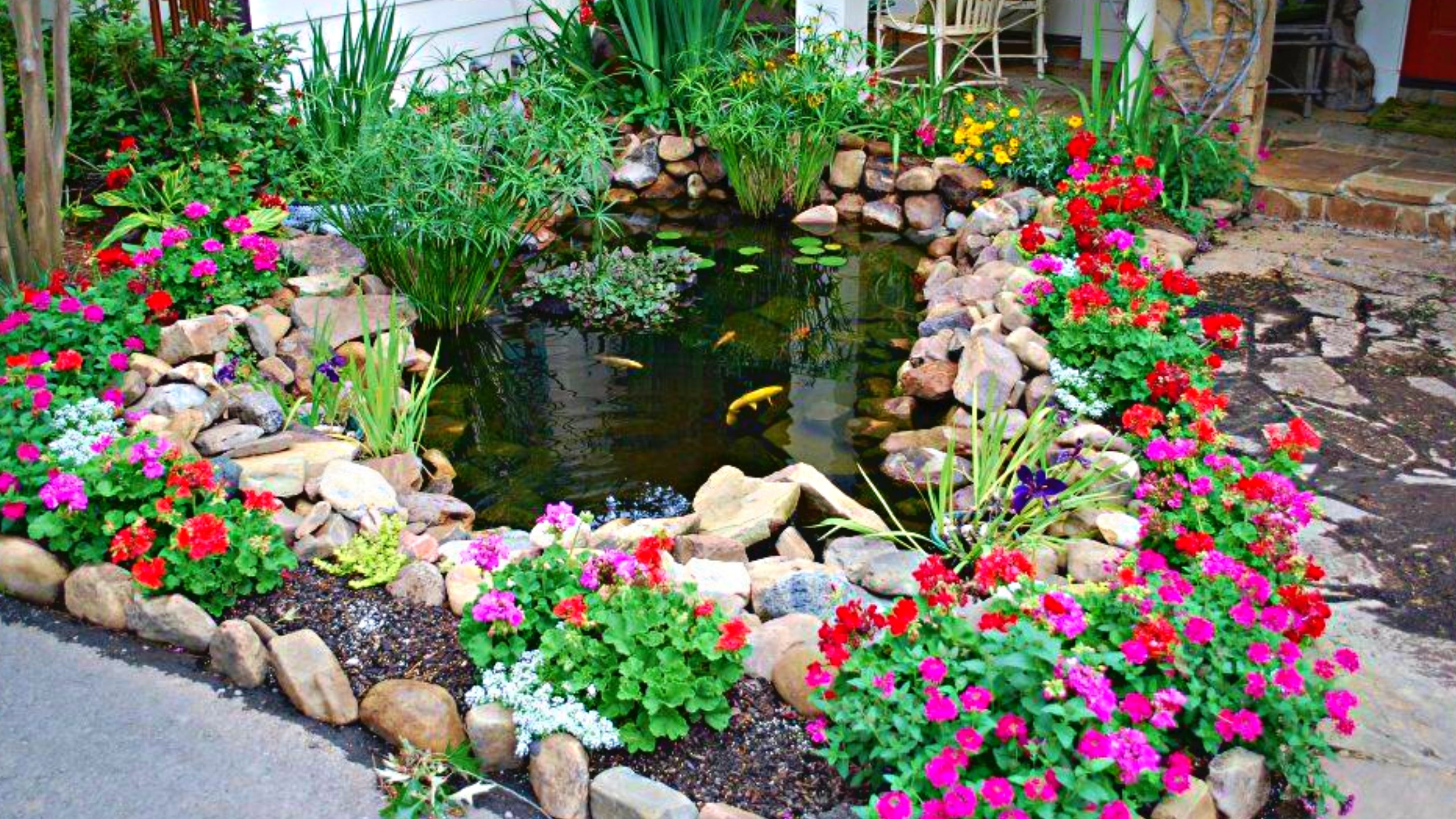
If your landscaping plans still involve thirsty exotic flowers or high-maintenance grasses, it might be time to rethink your yard's game plan.
In Louisiana, going native isn't just about being eco-friendly—it's about choosing plants that are built to survive and thrive right here, without all the fuss. More than 2,500 plant species are native to the state, according to the Louisiana Department of Wildlife and Fisheries. These species evolved alongside our climate, soil, and wildlife—which means once they're established, they typically require less water, fewer chemicals, and far less maintenance than their exotic counterparts.
The benefits of native landscaping go far beyond easier upkeep. Native plants:
Scientific studies even show that yards landscaped with native species provide critical habitat for wildlife during nonbreeding seasons, boosting overall biodiversity without sacrificing beauty.
Wondering where to start? The LSU AgCenter recommends several native plants that check all the boxes: beauty, adaptability, and availability.
Here are a few homeowner favorites:
Many local programs, like the Louisiana Yards & Neighborhoods (LYN) initiative, advocate for the "right plant, right place" philosophy—matching each native species to the specific light, drainage, and soil conditions in your yard.
Of course, choosing the right native plants is just the beginning. For homeowners who want their landscape to work hard and look great, it helps to have guidance from experts who understand Louisiana's ecological rhythms.
Landscaping professionals—like those at in Bossier City—often recommend native-first planting strategies that reduce upkeep while enhancing seasonal beauty. Their teams consider factors like sun exposure, water retention, and wildlife attraction when crafting custom designs.
"A lot of homeowners overwater by 30-50% without even realizing it," one local expert shared. "Native species are naturally better suited to handle Louisiana's swings in heat and humidity—with less intervention and less cost over time."
Plus, sustainable choices are increasingly in demand. According to the American Society of Landscape Architects, native-focused landscaping aligns with ecological design standards that improve stormwater management, reduce chemical use, and increase long-term resilience.
You don't need to rip out your entire yard to reap the benefits of native plants. Even small swaps—like replacing water-hungry turf with native grasses or adding a pollinator-friendly shrub—can make a big impact on your time, budget, and the planet.
If you're unsure where to begin, consulting with a who understands both ecological design and regional plant performance can help you map out a low-maintenance plan that works for your space.


