Small businesses often struggle to reach local customers despite offering quality services. Strategic local marketing closes this gap by combining smart online visibility tactics with authentic community connections. These proven approaches help establishments compete effectively while building lasting relationships that drive sustainable growth.
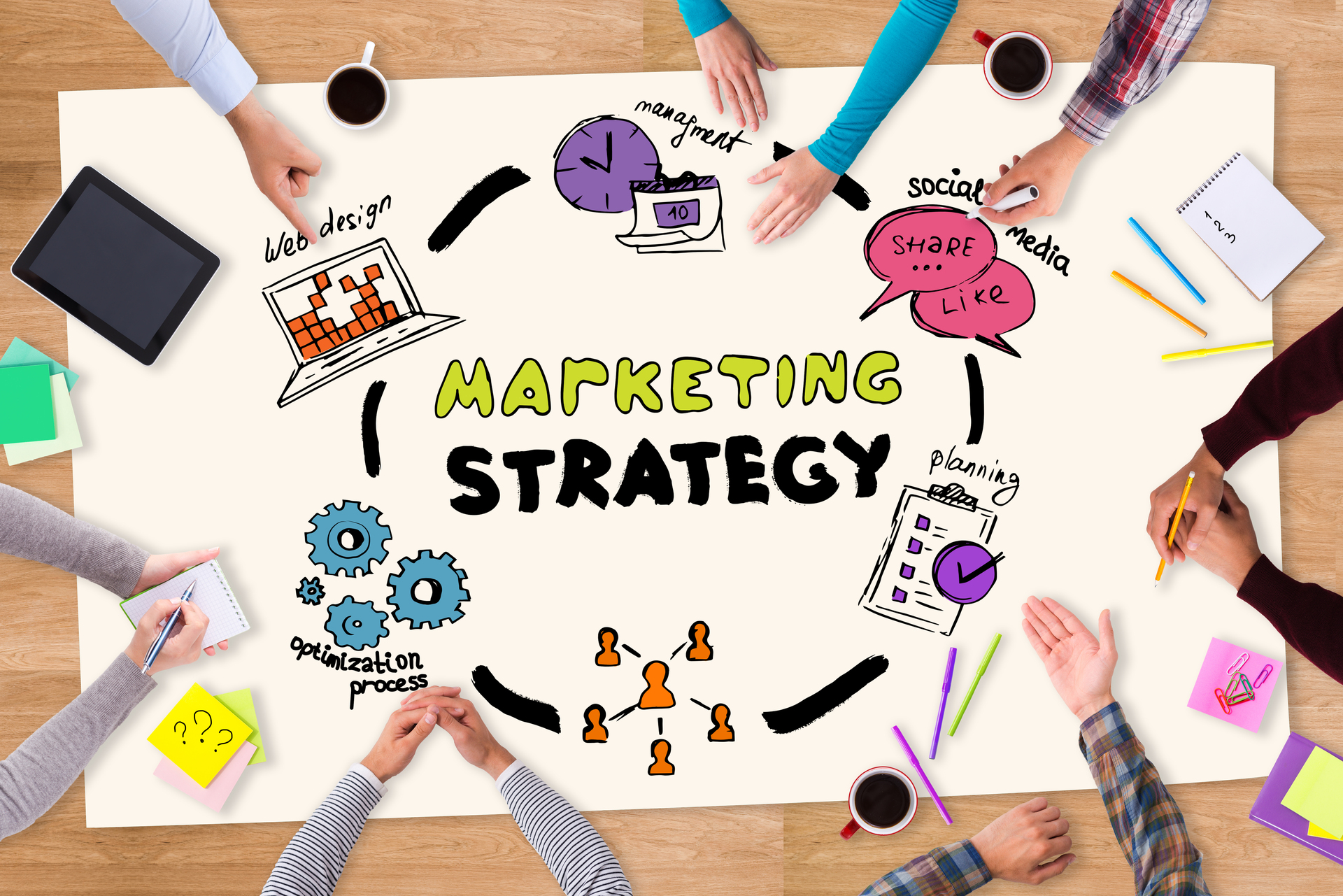
According to research, 80% of shoppers value the experience a company provides just as much as its actual products or services. Yet many local shops struggle to connect with nearby residents who are actively searching for what they offer. This disconnect grows wider as more people research online before making any purchase decision, and businesses that fail to adapt risk becoming invisible to the very customers they want to serve.
From local podcasts that highlight community voices to online directories and social platforms, successful establishments now reach audiences through multiple channels rather than relying on a single approach. Local marketing solves this problem by targeting customers within specific geographic areas instead of wasting money on people who'll never visit. Here's how businesses can build genuine community connections while growing their customer base through proven digital and offline strategies.
Businesses that optimize for local searches show up when residents need services in their area. When someone faces a plumbing emergency at midnight, they'll search for nearby help rather than browsing options across town. Companies investing in location-specific optimization rank higher during these crucial moments, which matters because the top search result captures a 27.6% click-through rate on average. That visibility gap makes an enormous difference when multiple businesses compete for the same local customers.
Beyond rankings, local marketing builds community trust through connections that big corporations simply can't match. Businesses participating in neighbourhood events or supporting community causes become integral parts of the area instead of just transaction points. This involvement creates loyalty extending far beyond individual purchases, turning satisfied customers into enthusiastic advocates.
The financial logic becomes clear when comparing focused campaigns to scattered efforts. If a bakery spends money advertising across the entire city, thousands might see those ads, but only a fraction will ever visit due to distance. Directing that same budget toward residents within walking distance generates much higher conversion rates because the audience consists of people who can actually become regulars. Better returns come from ensuring promotional spending reaches individuals most likely to walk through the door.
Every successful strategy starts with a digital presence that makes businesses easy to find and evaluate. A well-designed website acts as the digital storefront where potential customers form first impressions, so businesses should showcase location details, operating hours, contact methods, and clear service descriptions. Since most local searches now happen on smartphones rather than computers, responsive design ensures the site works properly regardless of how people access it.
Content goes beyond basic information to provide genuine value for local audiences. When a landscaping company publishes seasonal gardening advice tailored to Chelmsford's climate, it positions itself as a knowledgeable resource while naturally incorporating location keywords that boost search visibility. Blog posts addressing common questions or challenges faced by residents demonstrate real expertise, giving potential customers reasons to return even when they're not immediately ready to buy.
Google Business Profile optimization stands out as one of the most powerful free tools available for local visibility. Since Google dominates search engine usage, claiming and completing this listing ensures accurate business information appears when residents search for relevant services. The platform also lets customers leave reviews that influence both rankings and purchasing decisions, so businesses should verify profiles, add quality photos, select appropriate categories, and encourage satisfied customers to share experiences.
Choosing the right platforms requires understanding where target customers spend time and how they use those networks. Facebook works well for reaching diverse demographics through its 2.9 billion monthly users, offering features for creating business pages, joining community groups, and promoting events that make it particularly useful for neighbourhood marketing. Instagram suits businesses with visually appealing products or services, while platforms like Nextdoor cater specifically to neighbourhood communities where residents seek recommendations from neighbours.
Content for local audiences should highlight community connections rather than generic promotions. Sharing behind-the-scenes glimpses of daily operations, featuring employees who serve customers, showcasing client testimonials, and promoting involvement in local events all humanize the business and build authentic relationships. When posts reference local landmarks, celebrate community achievements, or address neighbourhood challenges, they resonate more strongly than corporate content that could apply anywhere.
Consistent interaction matters more than one-way broadcasting, so responding promptly to comments and messages while participating authentically in community discussions builds real connections. Businesses can run location-specific polls, ask questions inviting dialogue, or create contests encouraging customers to share experiences. Geo-targeted advertising focuses promotional spending on residents within specific postcodes or distance radii, ensuring budgets reach people who can actually visit rather than wasting impressions on audiences too far away.
Online reviews shape purchasing decisions more powerfully than traditional advertising ever did. In fact, 98% of people read reviews, and 77% say they always consult them before choosing local businesses. Positive testimonials on Google, Facebook, and industry platforms serve as social proof validating quality claims and building trust with potential customers who've never visited before. Review quantity and recency also influence search rankings, making reputation management both a trust exercise and a technical factor.
Encouraging satisfied customers to share experiences requires making the process simple and timely. Businesses can send follow-up messages after service completion with direct review links, mention reviews during checkout conversations, or include requests in email receipts. Timing matters—asking when positive experiences are fresh in customers' minds increases follow-through before daily life creates distractions.
Responding to all reviews demonstrates a real commitment to customer satisfaction while providing opportunities to address concerns publicly. Thanking customers for positive feedback reinforces their decision to choose the business, whereas thoughtful responses to negative reviews can actually improve perception by showing how problems get handled.
Staying Connected Through Email
Building an email list provides direct customer access without depending on social media algorithms or search rankings that change unpredictably. Local businesses grow lists by offering exclusive discounts for new subscribers, placing prominent signup forms on websites, collecting addresses at physical locations, or creating valuable content requiring email registration. Segmenting subscribers by location allows businesses serving multiple neighbourhoods to send targeted messages relevant to each area instead of generic communications.
Email campaigns work best when providing value beyond promotional messages, mixing educational content with special offers, and giving subscribers reasons to stay engaged. A home services company might send seasonal maintenance tips alongside discount codes, while a restaurant could share recipes showcasing their cuisine along with reservation promotions.
Local relevance makes emails more compelling than corporate newsletters that could come from anywhere. Mentioning neighbourhood events, referencing local weather patterns, highlighting community partnerships, or featuring local customer success stories all reinforce the business's area connection. Personalization beyond basic name insertion, such as tailoring offers based on past purchases or referencing specific neighbourhoods, increases open rates and conversion because recipients receive actually relevant content.
Active participation in community life builds brand recognition while demonstrating genuine commitment beyond profit motives. Businesses can sponsor local sports teams, donate sales portions to neighbourhood charities, participate in community events, or host initiatives bringing residents together. These activities create positive associations, influencing purchasing decisions because people prefer supporting businesses that contribute to communities rather than simply extracting value.
Partnerships with complementary local businesses amplify reach by tapping into each other's customer bases through mutual promotion. When a wedding photographer establishes referral relationships with local florists, caterers, and venues, each business recommends others when customers need related services. Formal arrangements can include referral fees incentivizing active promotion, or simply informal agreements where businesses support each other because they serve overlapping audiences with non-competing services.
Connecting with local media outlets provides exposure, reaching residents who might not actively follow business social accounts. Getting featured in community publications or participating in area news stories positions businesses as community authorities while reaching audiences through trusted local sources. These opportunities often arise from noteworthy activities like hosting events, supporting causes, or offering expert commentary on industry topics relevant to the community.
Measuring the right metrics helps businesses understand which marketing efforts generate results and which waste resources. Website analytics reveal how many visitors arrive from local sources, which pages attract most attention, and how visitors navigate before converting or leaving. Google Business Profile insights show how many people view listings, request directions, call businesses, or visit websites, providing concrete data about search visibility effectiveness.
Foot traffic and in-store conversion rates connect online marketing to real-world business impact, particularly for establishments depending on physical visits. Simple methods like asking new customers how they heard about the business during checkout provide qualitative data supplementing analytics, revealing which channels actually influence purchasing decisions. Tracking promotion codes specific to different marketing channels allows precise measurement of which campaigns drive sales versus simply generating awareness.
Online reputation metrics, including review quantity, average ratings, and review velocity, indicate how effectively businesses convert customers into advocates. Monitoring social media engagement rates shows whether content resonates with local audiences, while email open rates and click-through rates reveal whether messaging connects with subscribers. Rather than tracking every possible metric, successful businesses identify key performance indicators aligning with specific goals and focus measurement efforts on meaningful numbers that actually inform decisions.
Starting a local marketing strategy doesn't require massive budgets or technical expertise, but it does demand consistent effort and willingness to engage authentically. Businesses should begin by claiming and optimizing their Google Business Profile, ensuring accurate information appears when residents search for services. Creating or updating a website to include clear location information, service descriptions, and valuable content targeted at local keywords establishes the foundation for search visibility.
Developing a content calendar for social media and email ensures regular communication without the stress of deciding what to post each day. Planning content around local events and topics, addressing customer questions, maintaining consistency while keeping messaging relevant. Allocating just a few hours weekly to engage with online reviews, participate in community discussions, and create content produces meaningful results over time as visibility and reputation compound.
The most effective strategies balance digital tactics with real-world community involvement, recognizing that local business success ultimately depends on relationships built through repeated positive interactions. Sponsoring a youth sports team, participating in neighbourhood events, or simply providing exceptional service that motivates customers to recommend the business creates word-of-mouth momentum, amplifying all other marketing efforts.
Businesses implementing these strategies consistently position themselves better for competing while building lasting community connections. Strong online visibility combined with authentic engagement and exceptional experiences creates advantages, helping local establishments thrive despite changing conditions and intensifying competition. Whether exploring podcasts focused on local business insights or implementing the tactics outlined here, the path forward requires commitment to serving the community first and letting business growth follow naturally.


