Ready to pivot careers? Optimize your LinkedIn with future-focused headlines, compelling transition stories, and content showcasing transferable skills. Build strategic industry connections, document your learning journey, and engage meaningfully to demonstrate expertise in your target field.
Changing careers often feels like finding your way through unfamiliar territory without directions. With over 700 million users across various industries, LinkedIn has become the most effective platform for professionals seeking new paths. Whether you're switching industries completely or moving to a related role, your LinkedIn positioning can determine whether you experience a smooth transition or a frustrating job search.
Having worked with many career changers, I've witnessed how a strategic LinkedIn approach can create opportunities that previously seemed impossible. TFH Transformations LLC has guided hundreds of professionals through successful career transitions using targeted LinkedIn strategies that highlight your value in a new field.
Your headline is prime real estate—it's the first thing people see in search results and connection requests. Rather than simply listing your current title, use this space to connect your past and future. A formula that works well: "[Current Role] transitioning to [Target Role] | [Core Skill] | [Core Skill] | [Core Skill]."
For example, instead of "Marketing Manager at XYZ Company," try "Marketing Manager with Content Strategy Expertise | Digital Storyteller | Data Analytics | Transitioning to Content Strategy Leadership." This approach immediately signals your intention while highlighting relevant expertise.
Your summary should tell a compelling narrative about why you're making this transition and how your background uniquely positions you for success in your target field. Start with a strong opening sentence that grabs the reader, then connect your experience and aspirations.
Avoid apologizing for changing careers or focusing on what you lack. Instead, highlight how your diverse background provides valuable perspective and transferable expertise. Use first-person voice to create connection and authenticity.
For example: "After five successful years in digital marketing, I'm using my data analytics and storytelling skills to pursue my passion for content strategy. My unique background allows me to bridge audience insights and compelling narratives, creating content that drives measurable results."
Career transitions succeed when you identify and showcase the skills that travel well between industries. These typically include:
In your experience section, reframe past achievements to emphasize these transferable skills. For each role, highlight accomplishments that demonstrate abilities relevant to your target position. Quantify results whenever possible with specific metrics, percentages, or outcomes.
Career transitions often require new skills and knowledge. LinkedIn's 'Projects,' 'Certifications,' and 'Courses' sections allow you to highlight relevant learning even if you don't have formal work experience in your target field. Include:
Pro tip: For each project, focus on the problem you solved, the skills you applied, and the outcomes you achieved rather than just listing activities. For example, instead of "Completed Google Analytics certification," try "Applied Google Analytics skills to identify content performance patterns, leading to 25% improved engagement on personal blog."
Recommendations add third-party credibility to your profile, especially valuable when switching careers. Request recommendations from colleagues who can speak to your transferable skills and strengths relevant to your new path.
Be specific when requesting recommendations—ask recommenders to highlight particular skills or projects that align with your career goals. For example: "Would you mind focusing on our collaboration on the data visualization project, especially my analytical thinking and ability to translate complex information into actionable insights?"
Aim for 3-5 quality recommendations that collectively validate your most relevant transferable skills. Prioritize recommendations from managers, clients, or colleagues whose opinions carry weight in your target industry.
Successful career transitions depend heavily on building connections in your target field. Start by:
When sending connection requests, always include a personalized note explaining your transition and specific reason for connecting. For example: "Hi Sarah, I noticed your impressive work in content strategy at XYZ Company. I'm transitioning from digital marketing to content strategy and would love to connect with fellow professionals in this space. I particularly enjoyed your recent article on content ROI measurement."
LinkedIn Groups provide valuable industry insights and networking opportunities. Join 3-5 active groups in your target field and:
Similarly, follow target companies to stay informed about their culture, projects, and potential opportunities. Engaging with company posts puts you on their radar and provides conversation starters for informational interviews. Set up notifications for your top 10 target companies to never miss their updates.
Cold outreach can be incredibly effective when done respectfully. For informational interviews:
A template that works: "Hi [Name], I've been following your work on [specific project/article] and particularly appreciated your insights on [specific point]. I'm transitioning from [current field] to [target field] and would value 15 minutes of your time to learn about [specific aspect of their experience]. I'm happy to share my perspective on [area where you can provide value] in return. Would you be open to a brief call next week?"
As a career changer, approach networking with humility and authenticity. Acknowledge your learning journey while confidently highlighting your transferable value. Avoid these common mistakes:
Instead, think of networking as relationship-building. Find ways to add value, share relevant insights, and connect others who might benefit from knowing each other. Always send a thank-you note within 24 hours after someone helps you, and provide specific details about how their advice was valuable.
Storytelling works particularly well for career changers as it humanizes your journey and creates emotional connection. Share narratives about:
For example, a finance professional transitioning to UX design might share: "Today marks six months since I left my banking career to pursue UX design. The spreadsheets I once built to analyze market trends now help me organize user research data. Here are three surprising ways my finance background makes me a stronger designer..."
Even as a newcomer to an industry, you likely have valuable insights to share. Create how-to posts that demonstrate your practical knowledge while helping others. Focus on areas where your previous experience provides unique perspective on challenges in your new field.
For example, if you're transitioning from teaching to instructional design, you might create posts like:
Similarly, a marketing professional moving to UX/UI design might share: "5 Marketing Principles That Make Me a Better UX Designer" or "How Consumer Psychology Drives Both Marketing and User Experience Design."
Sharing industry data and your analysis demonstrates analytical capabilities and industry awareness. Look for opportunities to:
This content type positions you as a thoughtful observer who brings valuable perspective to your new field. Example: "After analyzing the latest McKinsey report on [industry trend], I noticed three patterns that remind me of what we experienced in [previous industry] before [significant change]. Here's what that might mean for the future..."
Case studies demonstrate how you apply your skills to real-world situations. Even without extensive experience in your new field, you can:
This content shows potential employers and connections that you can translate knowledge into practical results. Be specific about the problem, your approach, and the outcomes—even if the scale is small.
Transparency about your learning process demonstrates humility, growth mindset, and commitment to your new field. Share:
For example: "Week 6 of my UX certification: Today I conducted my first usability test. Here are three surprising insights that completely changed my design approach..." This content humanizes your transition while showcasing your dedication and progress.
Thoughtful comments on industry posts can showcase your expertise and build relationships. Focus on:
Avoid generic comments like "Great post!" Instead, try: "Your point about [specific aspect] resonates with my experience in [previous role]. I've found that [additional insight]. Have you considered how this might apply to [related scenario]?"
Consistency matters more than frequency when engaging on LinkedIn. Develop a sustainable routine:
These small, consistent interactions build your visibility and strengthen your network over time. Consider creating a spreadsheet to track meaningful interactions with key connections in your target industry.
Active participation in trending discussions positions you within your target community:
These activities increase your visibility to a broader audience while demonstrating your industry engagement. Even a thoughtful comment on a trending post can lead to valuable connections.
Use LinkedIn analytics to understand what's working:
This data-driven approach helps you refine your strategy for maximum impact. Pay special attention to engagement from people in your target industry or at target companies.
LinkedIn's job search features can be particularly valuable for career changers:
Focus on jobs where the skills gap is smallest and your transferable strengths are most relevant. When you find a role that interests you, look for second-degree connections at the company who might provide insights or referrals.
LinkedIn offers tools to validate and develop your skills:
Pro tip: After completing a LinkedIn Learning course, create a post sharing your top three takeaways and how you plan to apply them. This demonstrates both your new knowledge and your implementation mindset.
LinkedIn Premium offers several benefits for career changers:
Consider a one to three-month subscription during the most active phase of your transition. Be strategic about using InMail credits for high-value connections who could significantly impact your career change.
Optimize your job search with targeted alerts:
These automated tools keep you informed of opportunities while you focus on networking and skill development. Review and refine your alerts regularly based on the quality of results.
As you progress in your career transition, regularly assess your LinkedIn strategy's effectiveness:
Every few weeks, review what's working and what isn't. Are you getting inquiries about your target role? Are industry professionals engaging with your content? Are recruiters reaching out? Adjust your strategy based on these indicators of progress.
Career transitions take time. Be patient with the process while remaining consistent in your LinkedIn activities. As your network, skills, and content library grow, so will your opportunities in your new field.
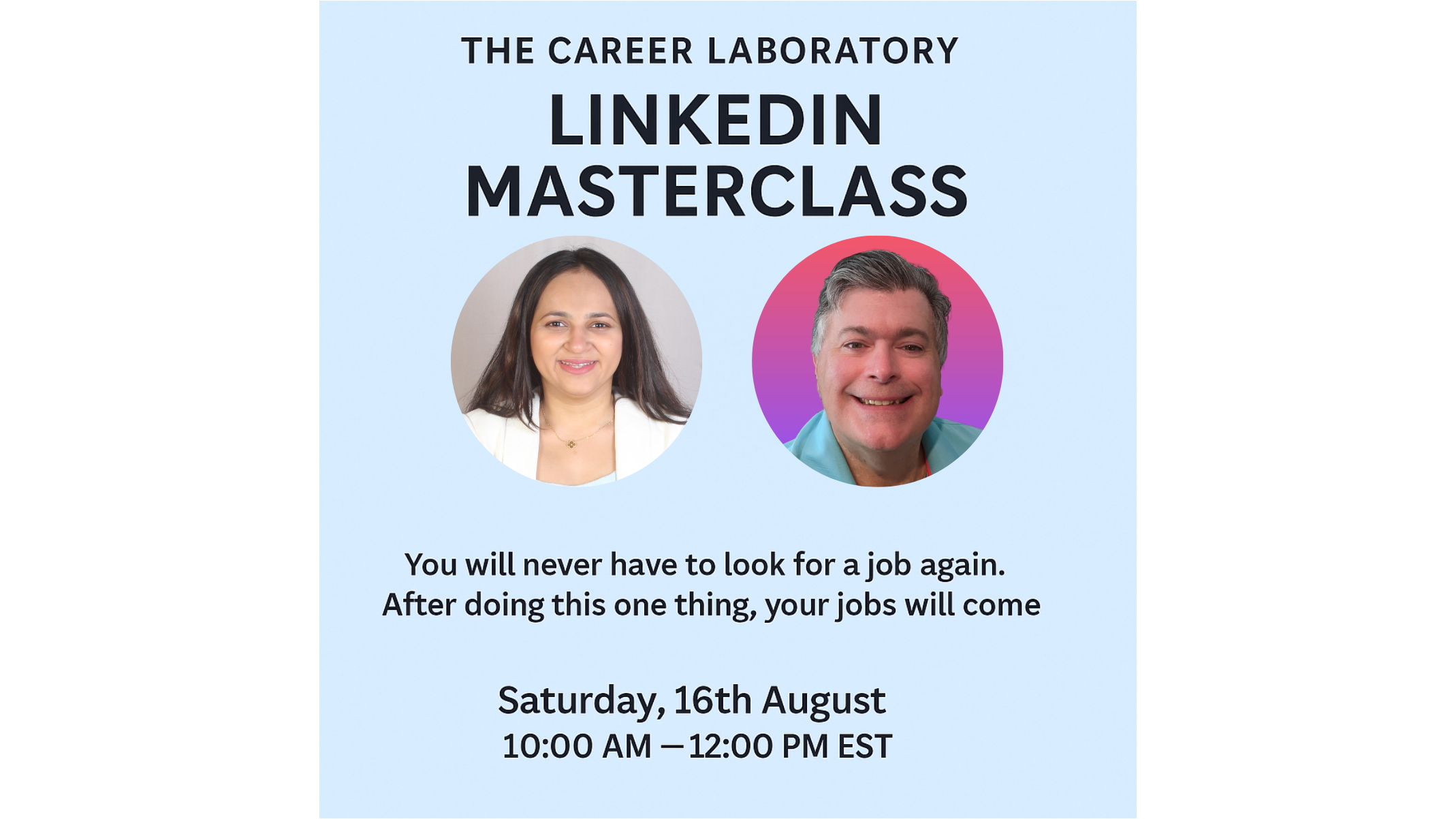
For personalized guidance on using LinkedIn to navigate your career transition, check out TFH Transformations LLC's comprehensive LinkedIn Masterclass at https://www.troyheiner.com/linkedin-masterclass-regpage.


