Confused about when you need legal advice versus full representation? Swiss legal experts break down the key differences, costs, and decision factors to help you choose the right legal support for your situation.
Key Summary
Many people in Switzerland avoid seeking legal help when they need it most. The reason isn't always about money - it's often confusion about what type of legal support they actually need and what each option involves. Or they lack experience to know what they can handle alone and when it is time to look for legal advice, legal coaching or legal representation.
Picture this scenario: you receive an official letter that makes your stomach drop, or a business dispute starts escalating beyond a friendly conversation. Do you need a lawyer to represent you in court, or would legal advice help you handle the situation yourself? The distinction matters more than you might think, both for your wallet and your peace of mind, and most importantly: for the outcome. But legal representation and court proceedings may be avoided if legal advice and legal coaching are handled professionally.
The Problem Most People Face
You might spend sleepless nights wondering whether your situation requires immediate action from a lawyer, legal representation or if some expert guidance would suffice. Many people either over-invest in expensive legal representation for simple matters or under-invest in legal advice for situations that could spiral out of control. Legal advice at an early stage can prevent high risks or bad outcomes while the client can remain in the lead.
The confusion stems from how legal services are marketed and discussed. Television shows and movies don't help either - they typically show dramatic courtroom scenes rather than the best options how legal issues can get resolved. In real life, many legal problems can be addressed through legal advice and legal coaching rather than full representation.
Understanding Legal Advice vs. Legal Representation
What Legal Advice Actually Means
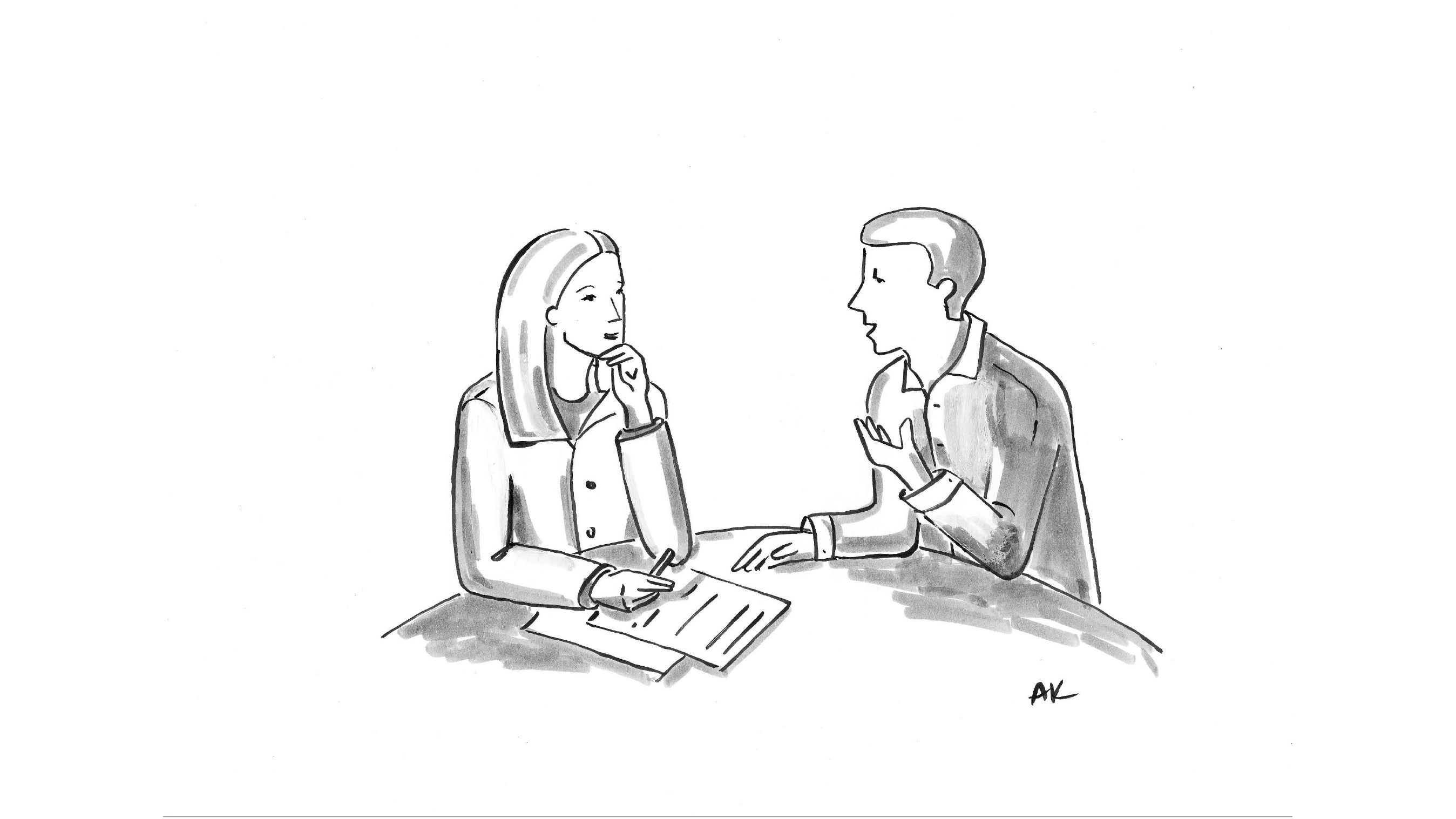
Legal advice focuses on providing information and guidance about your legal situation, explaining legal risks and opportunities, evaluating options and providing waterproofed courses of action and problem-solving strategies. Think of it like having an expert or coach explaining your options and helping you understand the potential consequences of different choices. The advisor analyses your situation, explains relevant laws, and recommends possible courses of action.
This approach keeps you in the driver's seat and means that although you get advice about your legal position, you can also make the final decision about how to proceed. Legal advisors can help you draft documents, prepare for negotiations, or understand complex regulations without taking over your case and the decisions entirely.
How Legal Representation Differs
Legal representation involves a lawyer acting on your behalf in negotiations, mediation or official proceedings. This means the representatives speak for you, file documents in your name, and make strategic decisions about your case. You transfer significant control to the representative, though you still make major decisions about settlement offers.
Representation becomes necessary when formal legal procedures are complex or if the opposing party is represented. Court appearances, complex litigation, and certain official filings typically need representation rather than just advice. The lawyer becomes your advocate and spokesperson in these formal settings.
The Cost Factor
The financial difference between advice and representation can be substantial. Legal advice sessions might cost a few hundred Swiss francs, while full representation for litigation can reach thousands or tens of thousands, depending on case complexity. In contrast, out of court solutions such as negotiated or mediated conflict resolution are an alternative to expensive court proceedings.
Many legal issues can be resolved through advice alone, especially if you address them early. A business contract review might cost 500 francs in advice fees but could prevent a 15,000 franc litigation battle later. Employment disputes, landlord-tenant issues, and family matters often benefit from this preventive approach.
When You Need Each Type of Service
Situations Perfect for Legal Advice
Contract reviews represent ideal scenarios for legal advice. Whether you are signing a lease, employment agreement, or business partnership document, having an expert explain the terms and potential risks helps you negotiate better conditions or identify problematic clauses before they cause trouble.
Estate planning works perfectly with this guidance-focused approach as well. Rather than diving straight into expensive legal procedures, you can explore your options for wills, testaments, and inheritance strategies such as the division of the estate through expert consultation first, allowing you to develop a clear roadmap and understand all implications before committing to costly implementation.
Employment disputes frequently benefit from starting with professional advice rather than immediate legal action. Many workplace conflicts can be resolved through understanding your rights and exploring negotiation or mediation strategies, which often lead to faster resolutions with significantly less stress and financial burden than formal complaints or litigation.
When Representation Becomes Necessary
Court proceedings almost always require representation while legal coaching may remain an option. Swiss courts expect proper legal procedures and documentation that trained lawyers understand. Trying to represent yourself in formal litigation rarely ends well, especially when the opposing party has professional representation.
Criminal charges need representation in most situations, as the stakes are simply too high to navigate criminal proceedings without professional advocacy. Even minor charges can have lasting consequences that make legal representation a wise investment.
Complex business disputes involving significant money or ongoing relationships typically require representation. While advice might help you understand your position, actually resolving multi-party commercial conflicts usually needs professional negotiation and potential litigation support.
Representation outside Court Proceedings
There is added value for an expert in negotiated and mediated settlement procedures. Experts in alternative dispute resolution may handle communication in conflicts professionally applying strategies and techniques leading to valuable and lasting solutions for all stakeholders.
The Legal Coaching Alternative
Legal coaching offers a middle ground between advice and representation and involves ongoing collaboration between you and a legal professional who guides you through handling your own legal matters. You retain control and decision-making authority while receiving expert support throughout the process.
Coaching works particularly well for people who want to understand legal procedures and develop skills for handling future issues. Small business owners often benefit from legal coaching because it helps them recognize legal issues early and address them before they require expensive intervention.
The coaching relationship involves regular check-ins, document review, and strategic planning sessions. Your legal coach helps you understand each step of your legal matter while you maintain responsibility for implementation and decision-making.
Choosing the Right Approach
Simple matters with clear solutions often need only advice, while complex disputes with significant consequences typically require legal representation. Time pressure also influences this decision - urgent matters might need immediate legal representation or legal coaching, while longer-term issues allow for the advice approach.
Consider your own capabilities and comfort level with legal procedures. Some people feel confident handling negotiations and paperwork after receiving expert guidance, while others prefer having professional representation from the start. Neither approach is inherently better - it depends on your situation and preferences.
Language considerations matter a lot, especially in Switzerland's multilingual environment, as legal documents and procedures use specific terminology that can be challenging even for native speakers. International residents often benefit from working with legal professionals who can communicate clearly in their preferred language while explaining Swiss legal concepts.
Finding Quality Legal Support
Look for advisors who take time to understand your specific situation and personal needs and who explain options clearly rather than immediately pushing toward expensive legal representation or even court proceedings. The best legal professionals help you choose the most appropriate level of service for your circumstances, putting the client first, knowing strategies and techniques to bring disputes to an end without court proceedings.
Zurich-based legal experts, such as Rechtsatelier, in the center of Zurich (https://maps.app.goo.gl/bEuQYmP8keKYaHfq6), have developed innovative approaches that prioritize client control and cost-effectiveness. These professionals offer multilingual services and flexible consultation options, including online and telephone guidance that make legal support more accessible to diverse communities.
Understanding your options empowers you to get appropriate legal support without overspending or under-protecting your interests. Whether you need simple advice for a contract review, assistance with developing a negotiation strategy, representation in a dispute or full representation for complex litigation, choosing the right level of service makes all the difference in achieving successful outcomes while managing costs effectively.
For more guidance on choosing between legal advice, legal coaching and representation for your specific situation, consider consulting with client-focused legal professionals to help determine the most appropriate approach.


