Despite their intelligence and training, many leaders still struggle with stress and emotional pressure. Understanding why traditional approaches fail can help executives find more effective solutions for leadership challenges.
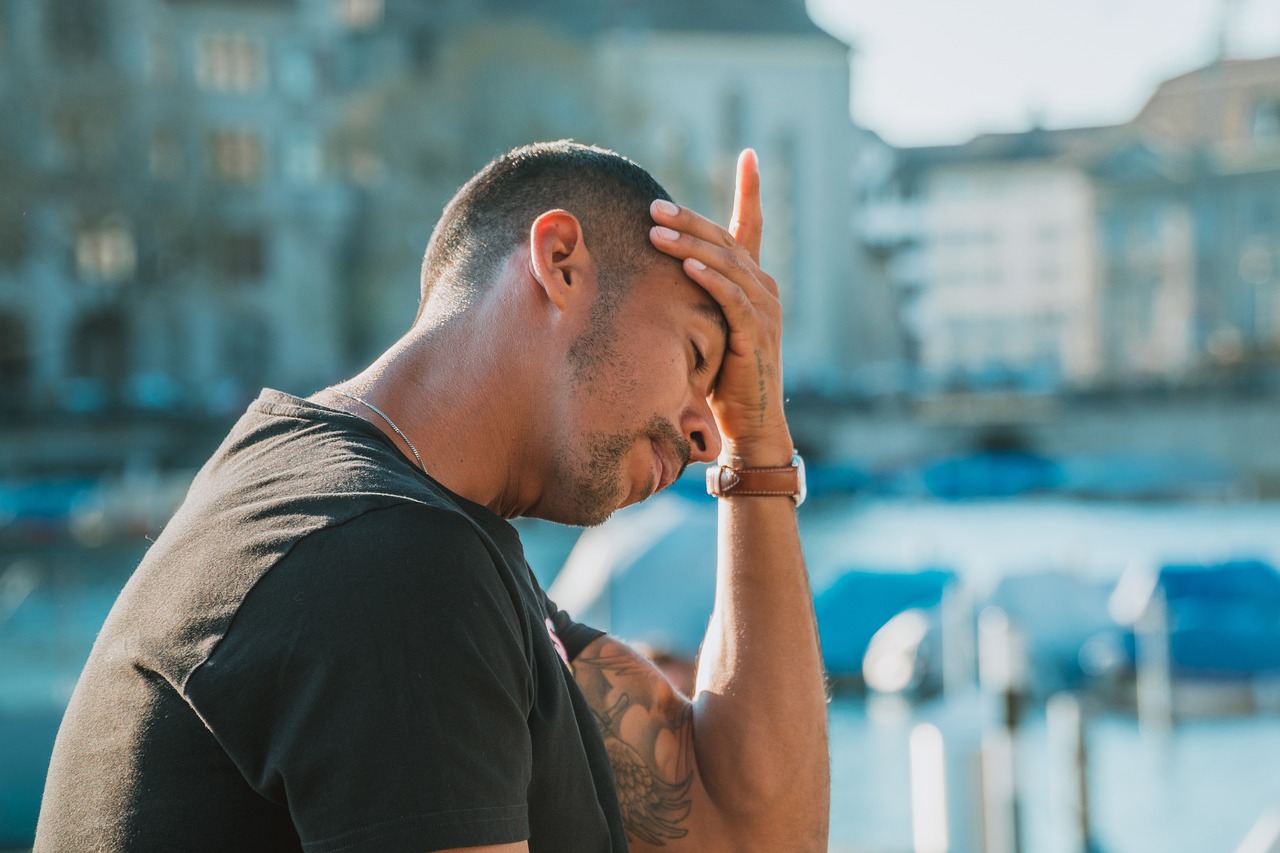
You've read the books, attended the seminars, and mastered the strategic side of leadership. Yet you still find yourself lying awake at night, replaying difficult conversations or feeling the weight of decisions that affect dozens of people's livelihoods. If this sounds familiar, you're not alone.
Research shows that sixty-one percent of CEOs experience loneliness in their roles, and half report that it affects their performance. Despite all the leadership training available, emotional challenges continue to plague even the most capable executives.
Traditional leadership development focuses heavily on technical skills, strategy, and performance metrics. While these are important, they often miss the emotional reality of what it means to lead people. You might excel at quarterly planning but struggle with the isolation that comes with making tough decisions. You could be brilliant at market analysis but find yourself emotionally drained from managing team dynamics.
The issue isn't that you lack intelligence or capability. The problem is that most leadership training treats stress management as an add-on rather than a core competency. You're taught to manage budgets and processes, but rarely given tools to manage the emotional labour that comes with responsibility for others.
Many executives turn to standard stress management techniques like time management apps or meditation apps. While these can help, they often fall short for leaders because they don't address the unique pressures you face.
Your stress isn't just about workload. It's about holding steady when your team looks to you for answers you don't have. It's about making decisions with incomplete information while managing the anxiety that comes with uncertainty. It's about being the person others turn to for emotional stability while having few outlets for your own concerns.
Generic wellness solutions can't address these leadership-specific challenges. You need approaches that understand the reality of executive responsibility.
Effective emotional resilience for leaders requires three key elements that most quick fixes miss.
First, you need safe spaces to process the emotional aspects of leadership without judgment. This might mean working with an executive coach, joining a peer group, or finding trusted mentors who understand the unique pressures you face.
Second, you need to develop emotional intelligence specific to leadership contexts. This goes beyond general self-awareness to include skills like managing your emotional responses during crisis, reading the emotional climate of your team, and communicating authentically without oversharing.
Third, you need practical strategies that fit into your actual schedule and responsibilities. This means building emotional check-ins into existing meetings, creating boundaries that work with executive demands, and developing reflection practices that don't require hours of free time you don't have.
While self-help approaches have their place, many leaders find that professional coaching provides the structured support they need. Executive coaches who specialise in leadership challenges understand the unique emotional landscape you operate in.
Sarah Phillips , for example, works specifically with leaders facing these pressures. With over twenty years of experience as a qualified Executive Coach and Certified Business Psychologist, she helps executives develop emotional intelligence and resilience strategies that work in real-world leadership situations.
Her approach combines psychological principles with practical business experience, helping leaders understand the connection between their emotional state and their effectiveness. Rather than generic stress management, she provides tools designed for the specific challenges of executive roles.
The emotional challenges of leadership are real and significant. Recognising this isn't a sign of weakness but of wisdom. The most effective leaders are those who acknowledge these challenges and actively work to develop their emotional resilience.
If you're struggling with the emotional aspects of leadership, consider seeking support that understands your unique situation. Whether through professional coaching, peer groups, or other specialised resources, investing in your emotional wellbeing isn't just good for you – it's essential for sustainable leadership effectiveness.


