BIBO air filters protect lab workers and environments from hazardous particles during filter changes. Understanding how these systems work helps facilities maintain safety and compliance.
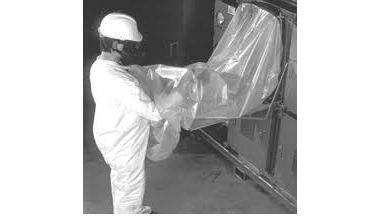
If you work in a biotechnology lab, pharmaceutical facility, or healthcare environment, you've probably noticed those specialized air filtration units that seem much more complicated than regular air filters. These are likely bag-in/bag-out (BIBO) systems, and they're becoming essential equipment in facilities where contamination control is critical.
BIBO systems represent a significant advancement in lab air filtration technology, designed specifically for environments where filter changes could expose workers to hazardous particles. Spokane-based Pure Filtration Products explains that these systems allow technicians to remove contaminated filters without releasing dangerous materials into the workspace, making them increasingly popular in high-risk facilities.
The "bag-in/bag-out" name describes exactly how these systems function. When installing a new filter, technicians place it inside a sealed bag before inserting it into the housing. When it's time for replacement, the contaminated filter gets sealed inside another bag before removal, preventing any exposure to harmful particles.
This process creates a completely contained environment during filter changes. Unlike standard filtration systems, where workers might be exposed to accumulated contaminants, BIBO units maintain sterile conditions throughout the entire replacement process, protecting both personnel and the surrounding environment.
Recent studies show that workplace exposure to airborne contaminants has decreased by over 60% in facilities using proper containment filtration systems. This improvement has led regulatory agencies to mandate BIBO systems in many high-risk applications, particularly in pharmaceutical manufacturing and biotechnology research.
The Occupational Safety and Health Administration now requires containment filtration in facilities handling certain hazardous materials. These regulations recognize that traditional filter replacement methods can create exposure risks that modern technology can easily prevent.
While BIBO systems are designed for safety, they still require proper handling and maintenance. The containment bags must be installed correctly, sealing procedures need to follow specific protocols, and contaminated materials require specialized disposal methods. Many facilities find that training internal staff on these procedures is time-consuming and expensive.
Professional service technicians understand the nuances of different BIBO system designs and can perform maintenance efficiently while ensuring compliance. They also handle the complex disposal requirements for contaminated filters, which often involve hazardous waste protocols that vary by location and material type.
When evaluating whether your facility needs BIBO filtration, consider the materials you're handling and your current exposure risks during filter changes. If your work involves infectious agents, toxic compounds, or radioactive materials, containment filtration isn't just recommended—it's often required by law.
The investment in specialized filtration systems pays off through improved worker safety, regulatory compliance, and reduced liability risks. As containment requirements continue expanding across industries, BIBO systems are becoming standard equipment rather than specialized solutions for high-risk facilities.


