For serious pianists, the choice between Kawai and Roland often comes down to one crucial factor that music experts say determines long-term satisfaction. Classical players tend toward one brand, while jazz musicians gravitate toward the other—but the reason might surprise you.
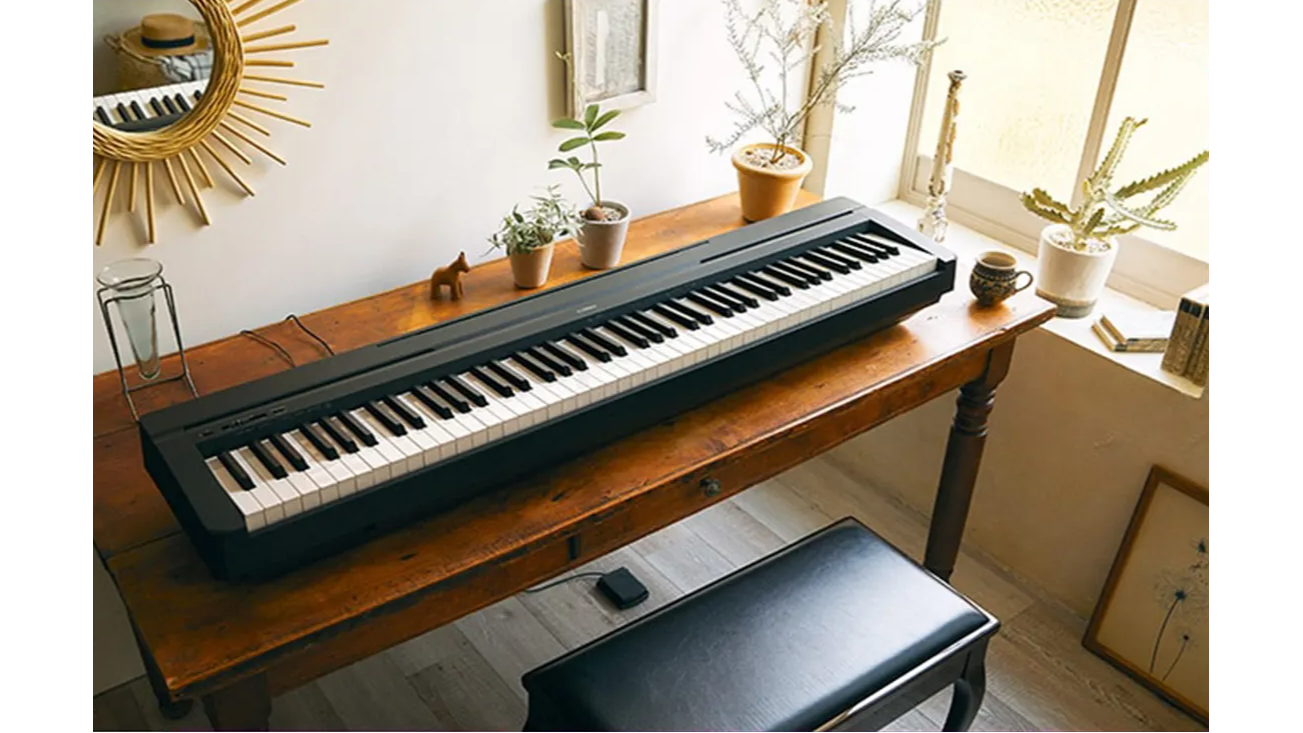
The digital piano world revolves around two fundamental approaches to recreating acoustic piano sound and feel. Kawai and Roland represent the pinnacle of these philosophies, each developing distinct technologies that serve different musical preferences and playing styles.
Both manufacturers invest heavily in research and development, but their paths diverge significantly. Kawai focuses on capturing the essence of their acoustic grand pianos through detailed sampling and mechanical authenticity. Roland takes a modeling approach, using advanced algorithms to recreate piano behavior in real-time.
Music experts consistently rank these brands among the top choices for serious pianists, though the "better" option depends entirely on individual needs and musical goals. examines how these fundamental differences translate into real-world playing experiences.
Kawai's Harmonic Imaging technology builds sound from meticulously recorded samples of their Shigeru Kawai concert grands. The process captures each note at multiple dynamic levels, creating smooth transitions from the softest pianissimo to thunderous fortissimo passages. Their flagship SK-EX Rendering engine adds sympathetic string resonance and cabinet vibrations for incredibly realistic sound.
The Kawai ES920 portable digital piano features Harmonic Imaging XL sound technology, which uses extended samples of acoustic pianos to create a more realistic and expressive sound. This extended sampling approach eliminates the artificial looping found in cheaper instruments, allowing notes to decay naturally over their extended lifespan.
Roland's SuperNATURAL Piano Modeling recreates the physical behavior of acoustic pianos through mathematical modeling rather than sample playback. The system calculates hammer strikes, string interactions, and cabinet resonance in real-time, responding dynamically to every nuance of touch and timing.
The Roland FP-90X portable digital piano incorporates the PureAcoustic Piano Modeling engine, which recreates the complex interactions of a real acoustic piano to produce a dynamic and evolving sound. This modeling approach creates unlimited tonal variations that respond organically to playing style and musical expression.
Musical genre often determines which sound engine works better for individual players. Classical pianists frequently prefer Kawai's warm, organic tone that closely matches traditional acoustic grands. Jazz and contemporary musicians often gravitate toward Roland's bright, articulate sound that cuts through ensemble mixes and responds well to extended techniques.
Both approaches offer advantages: Kawai's sampling provides immediate familiarity for acoustic piano players, while Roland's modeling offers endless expressive possibilities that adapt to unconventional playing styles.
Kawai's Grand Feel key action uses solid wooden keys with graduated hammer weighting that mimics acoustic piano mechanics down to minute details. The wooden construction provides authentic tactile feedback, complete with subtle surface textures that improve finger control during rapid passages and delicate musical phrases.
Many classical pianists prefer Kawai for its realistic touch and warm tone, which closely emulates the experience of playing an acoustic grand piano. The escapement mechanism adds the characteristic "click" felt in acoustic actions, helping pianists develop proper finger technique and control.
Roland's Hybrid Grand key action combines wooden cores with durable synthetic surfaces, creating keys that feel authentic while resisting environmental changes and wear. This construction maintains consistent touch response across different humidity levels and temperature variations.
The balanced approach offers practical benefits for gigging musicians and home players alike. Roland digital pianos are often favored by jazz and contemporary musicians due to their versatile sound options and advanced connectivity features for studio and live performance applications.
Kawai emphasizes educational features with built-in lesson systems and practice tools designed to develop proper piano technique. Their instruments typically include complete pedal systems out of the box, eliminating the need for additional purchases that other brands require as add-ons.
The teaching-oriented design philosophy extends to user interfaces that prioritize piano-playing fundamentals over complex sound manipulation. This approach appeals to students and teachers who want straightforward, piano-focused instruments without overwhelming digital distractions.
Roland leads in connectivity options with Bluetooth MIDI, USB audio interfaces, and DAW integration capabilities. These features transform digital pianos into complete music production workstations capable of interfacing with modern recording software and mobile applications.
Both Kawai and Roland offer digital pianos with Bluetooth MIDI connectivity, allowing users to connect to apps and software for lessons, recording, and sound customization. However, Roland's implementation typically provides more extensive control over external devices and software parameters.
Kawai digital pianos generally start around current market pricing for portable models and reach approximately $4,000 for advanced console instruments. Roland's range begins at competitive entry-level pricing for compact options and extends to similar high-end pricing for flagship models. Both brands offer excellent value at their respective price points, with Roland typically providing more features per dollar and Kawai emphasizing acoustic authenticity.
A comparison of digital pianos found that Kawai is often preferred for its authentic key action and warm sound, while Roland is favored for its versatility and modern features. The choice ultimately depends on whether acoustic realism or technological flexibility takes priority.
Classical training emphasizes the development of precise finger control and dynamic expression that transfers directly to acoustic instruments. Kawai's wooden key construction and acoustic-based sound sampling provide the most direct pathway for students developing these fundamental skills.
Many professional classical pianists prefer Kawai for its realistic touch and warm tone, which closely emulates the experience of playing an acoustic grand piano. The brand's focus on acoustic authenticity makes practice sessions more transferable to concert hall performances on traditional instruments.
Modern musical styles often require extended techniques, electronic integration, and adaptability to various performance environments. Roland's modeling technology and extensive connectivity options provide the flexibility needed for these diverse musical applications.
Jazz musicians particularly appreciate Roland's bright, articulate tone that maintains clarity in ensemble settings while providing the touch sensitivity needed for complex harmonic expressions and rhythmic variations that define the genre.
Choosing between Kawai and Roland requires hands-on experience with both brands' flagship models. The subtle differences in touch, tone, and features become apparent only through direct comparison under realistic playing conditions.
Both manufacturers offer instruments suitable for beginners through advanced professionals, with each brand's unique strengths serving different musical priorities. Kawai excels in acoustic authenticity and classical piano development, while Roland leads in versatility and modern music production capabilities.
The decision ultimately comes down to individual musical goals, playing style preferences, and feature priorities. Serious pianists benefit from testing both brands extensively before committing to either approach, as the choice will influence musical development for years to come.
For expert guidance in selecting between Kawai and Roland digital pianos, visit , where knowledgeable staff help musicians find the perfect instrument match for their musical journey.


