Synthetic moisturizers often fail sensitive skin because their molecular structure doesn’t match what your body naturally produces. Tallow’s bioidentical fatty acids and fat-soluble vitamins repair damaged barriers from within, offering relief for eczema, rosacea, and chronic dryness that conventional products can’t address.
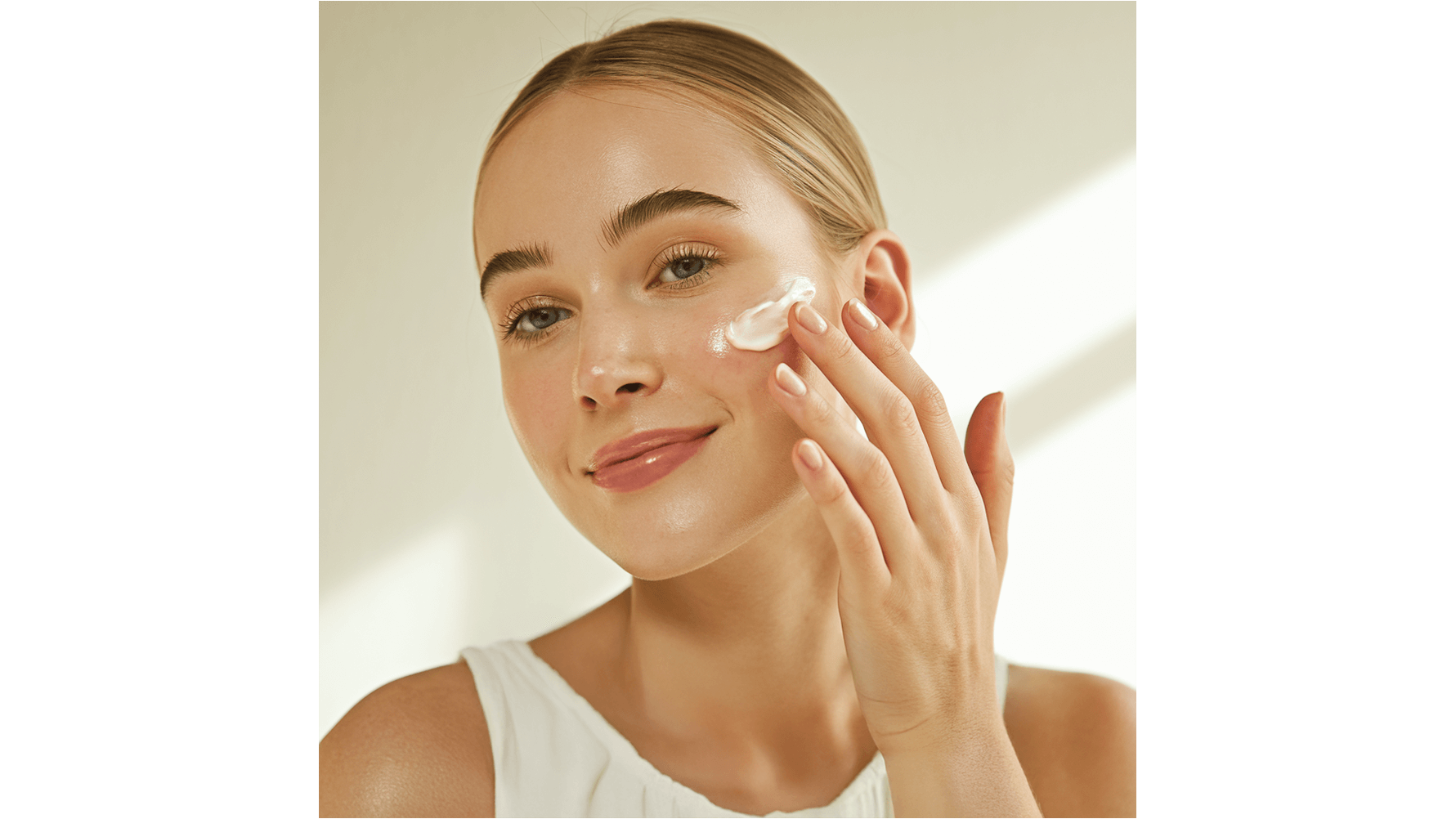
Your face cream promises gentle hydration, yet your skin stays tight, red, and irritated. Most moisturizers contain synthetic ingredients that damage the very barrier they claim to protect. What if the solution isn't found in laboratories but in an ingredient our ancestors trusted for centuries?
Beef tallow (rendered fat from grass-fed cattle) has returned as a powerful moisturizer for sensitive, dry, or inflamed skin. Though applying animal fat might sound strange, the science reveals something remarkable about how your skin actually works.
Commercial face creams provide temporary hydration that wears off within hours, requiring constant reapplication to feel comfortable. Because water is the primary ingredient in most lotions, manufacturers add high levels of preservatives to prevent bacterial growth. These stabilizing chemicals often trigger reactions in people dealing with eczema, rosacea, or dermatitis.
The deeper problem lies in molecular compatibility. Your skin produces sebum (a mix of fatty acids, waxes, and lipids) to protect itself and lock in moisture. When synthetic moisturizers don't match this natural structure, your skin either rejects them or becomes dependent on external hydration. Over time, this weakens your skin's ability to defend itself.
Sensitive skin faces an even more formidable challenge. Many "gentle" or "hypoallergenic" products still contain irritating additives that inflame barrier-compromised skin. Even natural fragrance from essential oils can trigger reactions when your protective barrier is already struggling. The cycle of trying new products, experiencing flare-ups, and starting over leaves many people convinced nothing will work.
Beef tallow shares nearly identical composition to human sebum, allowing your skin to absorb it like self-produced moisture. This compatibility stems from tallow's fatty acid profile (about 50-55% saturated fat, including palmitic, stearic, and oleic acids), which mirrors healthy skin barriers. Instead of fighting foreign ingredients, your skin receives the exact building blocks needed for repair.
This bioidentical structure enables deep penetration beyond what water-based lotions achieve. Tallow molecules slip past the outer layer because your skin recognizes them as familiar. The hydration isn't superficial or temporary. Instead, it strengthens your skin's ability to protect itself from within, creating lasting improvements instead of masking problems.
Grass-fed beef tallow delivers concentrated fat-soluble vitamins crucial for skin health and cellular repair:
These vitamins exist in bioavailable forms in animal fats rather than in synthetic versions your body struggles to process. Plant oils may offer some benefits, but they lack this complete vitamin profile in concentrations high enough to repair barriers effectively.
Beyond vitamins, grass-fed tallow provides conjugated linoleic acid (CLA), which reduces redness and inflammation while fortifying protective skin layers. According to research, CLA may offer broader health benefits, though topical application specifically targets barrier-level inflammation. Palmitoleic acid (present in both tallow and human sebum) adds antimicrobial properties that manage acne without harsh drying effects.
Concerns about clogged pores make sense initially. However, tallow rates only 2 out of 5 on the comedogenic scale, meaning it rarely blocks pores in most skin types. The difference between tallow and heavy oils becomes clear during application. Because of that bioidentical structure, tallow melts at body temperature and integrates with natural oils instead of sitting on the surface.
For acne-prone skin, tallow's similarity to sebum can actually balance oil production. When skin receives the lipids it needs, it often reduces excess sebum produced by barrier damage or dehydration. Many people with oily complexions report better balance after switching to tallow-based alternatives rather than experiencing more breakouts. Individual reactions vary, making patch testing necessary before complete application.
The scent issue deserves attention, but gets overstated. Properly rendered tallow from grass-fed sources carries a mild, neutral smell that fades quickly after application. Quality products undergo careful purification to remove strong odors that people might associate with beef fat skincare. Some brands add subtle natural scents while others stay completely unscented for maximum tolerance.
According to Tallow & Vine, a tallow balm manufacturer, chronic skin conditions that resist conventional treatments respond particularly well to tallow. Eczema sufferers find relief because anti-inflammatory fatty acids calm irritation, while occlusive properties prevent water loss that worsens symptoms. This nutrient profile supports natural healing without introducing chemicals that trigger flare-ups in compromised skin.
Psoriasis, rosacea, and dermatitis all involve barrier dysfunction and inflammation, which tallow addresses through its complete lipid content. Extremely dry skin benefits from extended moisture retention without constant reapplication throughout the day. Normal skin appreciates tallow's protection during harsh weather, when cold winds and indoor heating strip away natural oils faster than the skin can replenish them.
Parents often choose tallow for infant care because its simple composition suits delicate skin perfectly. Diaper rash, cradle cap, and baby eczema respond well to tallow balms that heal without synthetic ingredients. Single-ingredient formulas reduce allergy risks compared to complex products with dozens of potential irritants.
Clean, slightly damp skin creates the ideal canvas for tallow application. Moisture helps the product spread easily and penetrate deeply for better results. Warm a pea-sized amount between your palms until it softens into a silky texture that won't tug delicate facial skin.
Press and pat the warmed tallow onto your face rather than rubbing aggressively. This technique improves absorption while preventing unnecessary friction on sensitive areas. Focus on dry patches, though you can apply anywhere needing extra moisture and barrier support. A little goes a long way, and excess can feel tacky until fully absorbed.
Beginning with once-daily application helps your skin adjust without overwhelming your system. Evening use works well as an overnight treatment, allowing nutrients to absorb while repair processes peak during sleep. After a week or two, those with severely dry skin might increase to twice daily based on how the skin responds.
Mixing small amounts of tallow with lighter moisturizers creates custom blends for specific needs. This approach eases the transition period when skin adapts from synthetic products to natural alternatives. You can also layer tallow over serums as a final occlusive step to seal in the beneficial ingredients applied underneath.
Growing interest in tallow reflects broader demand for ingredient transparency and natural skincare prioritizing health over marketing claims. Quality producers source from grass-fed, pasture-raised cattle and use careful rendering that preserves nutrients while ensuring purity. Look for brands that openly share their sourcing practices and avoid unnecessary additives that might compromise natural benefits.
Small-batch production often signals attention to quality control and freshness that mass production cannot match. Many tallow makers come from farming backgrounds or partner with regenerative operations, treating the entire process (pasture to product) as part of sustainable ecosystems. This connection to source material translates into better control and products delivering real results.
Professional dermatologists increasingly recognize tallow's potential to manage sensitive skin, particularly when patients experience adverse reactions to conventional treatments. Though not suitable for everyone (those with beef protein allergies should avoid it), most people can safely incorporate tallow with excellent outcomes. Starting with patch tests on small areas identifies potential sensitivity before broader application.
Gradual changes work better than overnight overhauls of routines. Replace your nighttime moisturizer with tallow while keeping your usual morning products until your skin adjusts. Monitor responses over 2 to 4 weeks, noting improvements in hydration, texture changes, and reduced sensitivity or inflammation.
Immediate differences often appear in how skin feels (softer, more comfortable, less tight) before visible changes emerge. Deeper barrier repair takes longer and shows measurable results within four to six weeks as protective layers rebuild. Addressing root causes of dysfunction beats masking symptoms with temporary hydration that fades quickly.
Any initial adjustment period typically reflects recalibrating oil production after depending on synthetic moisturizers. This temporary phase resolves within a week or two as the skin recognizes that it's receiving the needed lipids and stops overproducing sebum. Reducing application amounts rather than stopping completely helps smooth this transition without prematurely abandoning benefits.
Sustainability matters to people concerned about environmental impact and ethical sourcing. Using animal byproducts that might otherwise go to waste supports zero-waste practices within regenerative farming, prioritizing soil health and animal welfare. This contrasts sharply with petroleum-based ingredients, which require intensive extraction and processing with high environmental costs.
Sensitive skin doesn't need more synthetic solutions delivering irritation instead of relief. Your barrier requires nutrients it recognizes and fatty acids that match natural composition. Tallow provides this in one minimally processed ingredient, supporting skin health across cultures for thousands of years.
The science isn't complicated. Tallow matches your biology in ways synthetics cannot replicate, regardless of formulation claims. Whether dealing with chronic sensitivity, barrier damage from over-exfoliation, or seeking better hydration during harsh weather, natural tallow solutions deserve consideration for healthier, more resilient skin.


