If you’re battling nighttime allergies, your bedding might be making things worse. Pure mulberry silk contains a natural protein that actively repels dust mites and bacteria – but only if you know what to look for when buying.
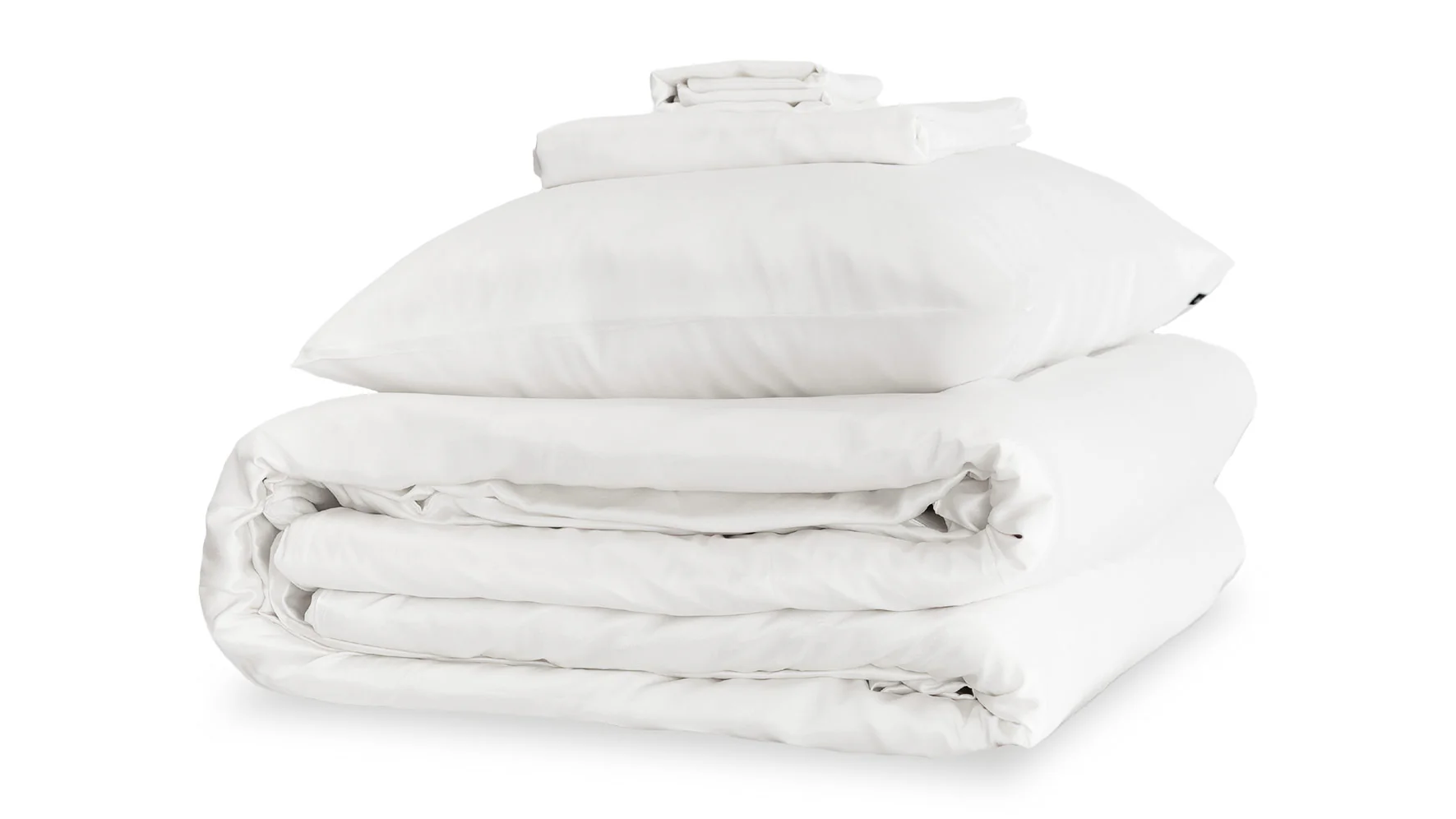
For allergy sufferers, the bedroom can become a battleground against microscopic invaders. Dust mites, bacteria, and accumulated allergens transform what should be a sanctuary into a source of nightly discomfort. However, pure mulberry silk bedding offers a scientifically-backed solution that addresses these concerns through natural properties, with increasing recognition from medical professionals in recent years.
Mulberry silk stands apart from other bedding materials due to its inherent resistance to common household allergens. Unlike cotton and synthetic materials that can trap dust, pollen, and other irritants within their fibres, silk creates an environment where these troublesome particles struggle to take hold.
The tightly woven structure of pure mulberry silk fibres forms a natural barrier against allergen accumulation. This dense weaving pattern prevents microscopic particles from embedding deep within the fabric, making it significantly easier to maintain a clean sleeping environment. Experts like Mayfairsilk note that silk pillowcases are less likely to attract dust mites and other allergens, making them a healthier choice for individuals with sensitive skin or respiratory conditions.
The secret to silk's anti-allergen properties lies in its natural composition. Silk contains sericin, a protective protein that acts as a natural repellent against dust mites, mould, and bacteria. This biological defence mechanism sets silk apart from cotton and linen, which actually provide ideal nesting environments for these unwanted microscopic guests.
Research suggests that dust mites and other microscopic organisms are less likely to thrive in pure mulberry silk compared to other materials. The sericin protein creates an inhospitable environment that actively deters these common allergens from establishing colonies within the bedding fibres.
Dust mites require warm, humid conditions to survive and multiply. Silk's exceptional moisture-wicking capabilities work against these requirements by drawing perspiration away from the body and allowing it to evaporate quickly. This natural moisture management keeps the sleeping surface dry and creates conditions that dust mites find unsuitable for reproduction.
The breathable nature of silk fibres ensures optimal air circulation throughout the night. This constant airflow prevents the build-up of humidity that would otherwise create the perfect breeding ground for allergens.
The smooth, tightly woven surface of quality mulberry silk creates a barrier that prevents allergens from penetrating deep into the fabric. Unlike rougher materials with loose weaves, silk's sleek surface allows particles to be easily removed during regular washing, preventing long-term accumulation of irritants.
This smooth texture also reduces the surface area available for allergen attachment. Where cotton fibres might trap pollen, pet dander, and dust particles in their rough, absorbent structure, silk's polished surface allows these irritants to slide away naturally.
Medical professionals increasingly recommend mulberry silk bedding for patients with eczema, psoriasis, rosacea, and general skin sensitivity. A pilot study has indicated that silk-like bed linens may have value as another treatment option for atopic dermatitis, providing clinical backing for what dermatologists have observed in practice.
The hypoallergenic nature of pure mulberry silk means it's less likely to trigger allergic reactions in sensitive individuals. Studies have shown that wearing pure silk clothing can reduce dermatitis symptoms in participants with the skin condition, demonstrating silk's therapeutic potential for inflammatory skin disorders.
Additionally, silk's antimicrobial properties help prevent secondary infections that can complicate existing skin conditions. By naturally resisting bacterial growth, silk bedding provides a cleaner environment that supports the skin's healing process.
The exceptionally smooth surface of silk dramatically reduces friction against sensitive skin during sleep. Where rough fabrics can cause micro-abrasions and irritation, silk allows skin to glide gently across the surface without damage. This reduced friction is particularly beneficial for individuals with eczema or other inflammatory skin conditions where mechanical irritation can trigger flare-ups.
Clinical trials have demonstrated silk's skin benefits in practice. Research has shown that sleeping on silk pillowcases can help reduce the appearance of acne compared to those using cotton. The non-irritating properties of medical-grade silk dressings have made them suitable for treating burn victims and individuals with severe eczema.
Silk's natural temperature regulation capabilities address multiple allergy-related sleep disruptions simultaneously. The fabric's low heat conduction helps maintain an optimal sleeping temperature, preventing the overheating that can exacerbate respiratory allergies and skin conditions. This temperature stability reduces night sweats and the humid conditions that dust mites find appealing.
For individuals suffering from seasonal allergies, asthma, or eczema, maintaining a consistently comfortable sleeping temperature is crucial for uninterrupted rest. Silk's ability to adapt to ambient conditions - cooling when it's warm and providing insulation when it's cool - creates the stable environment that allergy sufferers need for quality sleep.
The lightweight nature of silk also contributes to better air circulation around the body. This improved breathability prevents the stuffiness that can worsen respiratory allergies, allowing for clearer breathing throughout the night.
When selecting mulberry silk bedding for allergy relief, certification matters significantly. High-quality mulberry silk bedding should carry OEKO-TEX Standard 100 certification, which ensures the fabric is free from harmful substances that could trigger chemical sensitivities or allergic reactions.
This certification process tests for over 100 known harmful chemicals, including formaldehyde, heavy metals, and pesticide residues. For individuals with multiple chemical sensitivities or severe allergies, this certification provides peace of mind that their bedding won't introduce additional irritants into their sleep environment.
The OEKO-TEX standard also helps ensure that the silk is free from harmful chemicals that could negate its natural hypoallergenic properties. This ensures that the sericin protein and other beneficial components remain intact and effective.
Unlike cotton bedding where thread count is often emphasised, silk quality is better measured by momme weight. For allergy sufferers, the ideal range is often considered to be 19-25 momme, although other weights can also offer benefits, depending on individual needs.
Silk below 19 momme may be too lightweight to provide adequate protection against allergens, whilst silk above 25 momme can become less breathable, potentially creating the humid conditions that dust mites prefer. The 19-25 momme range offers optimal density for blocking allergen penetration whilst maintaining silk's natural moisture-wicking properties.
This momme weight also ensures longevity, meaning the bedding will maintain its hypoallergenic properties through repeated washing cycles. Higher quality silk retains its smooth surface and tight weave structure longer, providing consistent allergen protection over time.
The evidence supporting pure mulberry silk bedding for allergy sufferers extends beyond anecdotal reports to include scientific research and medical recommendations. The combination of natural sericin protein, moisture-wicking capabilities, antimicrobial properties, and smooth surface texture creates a multi-layered defence against common bedroom allergens.
For individuals struggling with dust mite allergies, eczema, or sensitive skin conditions, the investment in quality mulberry silk bedding represents more than luxury - it's a practical health intervention. The natural properties of silk work continuously to maintain a cleaner, more comfortable sleep environment without the need for chemical treatments or frequent replacement.
The temperature-regulating benefits further support allergy relief by preventing the environmental conditions that allow allergens to thrive. Combined with proper care and OEKO-TEX certification, pure mulberry silk bedding provides a scientifically-supported solution for achieving better sleep whilst managing their sensitivities.
Reputable vendors offer high-quality bedding that meets these criteria, providing allergy-prone individuals with alternatives that can promote better sleep.


