Spending $150-$550 on professional pest control might seem steep, but did you know termites alone cause $5 billion in annual property damage? Before you grab that DIY spray, discover why the cheapest solution often becomes the most expensive mistake.
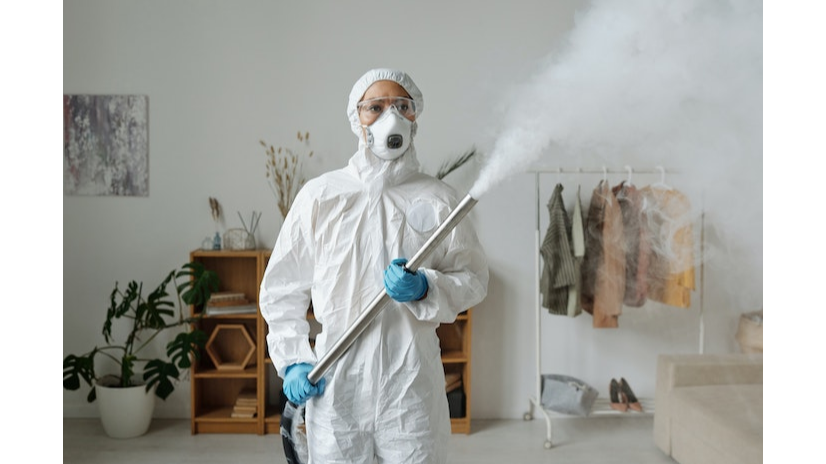
When pests invade homes and businesses, property owners face a critical decision: tackle the problem themselves or call in professional help. While DIY solutions might seem cost-effective upfront, the reality is that professional pest control offers superior value through expertise, safety, and long-lasting results that DIY methods simply cannot match.
The initial investment in professional pest control services for standard, one-time treatments typically ranges from $150 to $550, though costs can vary significantly based on the type and severity of infestation, with some specialized treatments potentially exceeding this range. However, this upfront cost pales in comparison to the potential damage untreated pests can cause to property.
Termites alone cause an estimated $5 billion in property damage annually in the United States. A single termite colony can silently destroy wooden structures for years before detection, leading to repair costs that can exceed $10,000. Similarly, rodents can chew through electrical wiring, creating fire hazards and costly repairs that far surpass the cost of professional prevention.
Professional pest control services provide protection that addresses both immediate infestations and long-term prevention. Experts like Connor's Pest Pros demonstrate how strategic pest management investments protect property values and prevent catastrophic damage costs.
Despite the appeal of quick fixes and cost savings, DIY pest control methods frequently fall short of delivering lasting results. Understanding why these approaches struggle helps explain the value of professional intervention.
Most homeowners focus on eliminating visible pests without addressing the underlying factors that attracted them. Spraying ants in the kitchen might provide temporary relief, but it doesn't eliminate the colony or seal the entry points that allowed access. Professional pest technicians conduct thorough inspections to identify breeding areas, entry points, and environmental conditions that support pest populations.
Effective pest control requires understanding pest behavior and biology. Cockroaches, for example, leave pheromone trails that continue attracting others even after the visible population is eliminated. Without specialized knowledge of these behaviors, DIY treatments often result in recurring infestations that become progressively more difficult to control.
Consumer-grade pest control products are significantly weaker than professional formulations. Regulatory restrictions limit the active ingredient concentrations available to homeowners, reducing effectiveness against established infestations. Additionally, these products often use broad-spectrum approaches that may be ineffective against specific pest species.
Professional pest control technicians have access to specialized baits, growth regulators, and targeted treatments that are unavailable to consumers. These products are designed for specific pest biology and behavior patterns, ensuring more effective elimination and longer-lasting results.
Improper application of pesticides poses serious health risks to families and pets. Many homeowners apply products in wrong concentrations, inappropriate locations, or without proper safety equipment. This can lead to chemical exposure, contamination of food preparation areas, and harm to beneficial insects and plants.
Professional technicians receive extensive training in safe application methods and use protective equipment to minimize exposure risks. They understand which products are safe for different environments and how to apply them effectively without endangering occupants or beneficial wildlife.
The effectiveness of professional pest control stems from two critical advantages: specialized knowledge and access to advanced tools that are unavailable to consumers.
Pest control technicians undergo rigorous training and often hold certifications that require continuing education. This training covers pest identification, life cycles, feeding habits, and breeding patterns for dozens of species. Understanding that carpenter ants prefer moist wood while pharaoh ants seek warm, humid environments allows technicians to target treatments precisely.
Professional knowledge extends to integrated pest management (IPM) strategies that combine multiple approaches for maximum effectiveness. These strategies might include habitat modification, exclusion techniques, biological controls, and targeted chemical applications. This approach addresses infestations from multiple angles, making it much more difficult for pests to adapt or return.
Professional pest control companies invest in specialized equipment that enables precise detection and treatment. Thermal imaging cameras can detect rodent activity behind walls, while moisture meters identify conditions that attract pests. Specialized application equipment ensures even distribution of treatments and can reach areas that are inaccessible with consumer products.
Advanced baiting systems and monitoring devices allow professionals to track pest activity and adjust treatments based on real data. This scientific approach to pest management produces consistently better results than the trial-and-error methods typical of DIY attempts.
Professional pest control services prioritize health and safety considerations that DIY methods often overlook or inadequately address.
Many common pests pose significant health risks by transmitting diseases through bites, contamination, or simple proximity. Rodents can spread salmonella and hantavirus through their droppings, while cockroaches carry bacteria that trigger asthma and allergic reactions. Ticks transmit Lyme disease and Rocky Mountain spotted fever, making prompt and effective elimination vital for family health.
Professional pest control technicians understand these health risks and prioritize rapid elimination of disease-carrying pests. Their training includes recognition of pest-related health threats and implementation of treatments that quickly reduce exposure risks.
Modern professional pest control emphasizes integrated pest management approaches that reduce reliance on chemical treatments. These methods combine physical barriers, habitat modification, biological controls, and targeted chemical applications to achieve effective results with minimal environmental impact.
Professional services often use eco-friendly products and application methods that are safer for children, pets, and beneficial wildlife. They understand which products break down quickly in the environment and how to apply them in ways that minimize unintended exposure.
Improper pesticide use is a significant cause of accidental poisoning in homes. Professional technicians are trained in safe handling procedures and use protective equipment to prevent exposure during application. They also understand proper placement techniques that keep treatments away from areas where children and pets might encounter them.
Reputable professional pest control companies often maintain detailed records of all products used and their placement, enabling them to provide specific guidance for post-treatment safety and monitoring for any adverse reactions.
The most significant advantage of professional pest control is its focus on prevention rather than just treatment. This proactive approach creates lasting protection that saves money and frustration over time.
Professional technicians conduct thorough property inspections that identify potential entry points that homeowners typically miss. Small gaps around utility penetrations, damaged weatherstripping, and structural defects can provide access for various pests. Sealing these entry points is a critical and often highly effective strategy in preventing future infestations.
Experts also identify environmental conditions that attract pests, such as moisture problems, food sources, and shelter opportunities. Addressing these attractants through targeted recommendations helps property owners create environments that naturally discourage pest activity.
Many professional pest control services offer ongoing maintenance programs that include regular inspections, preventive treatments, and immediate response to new pest activity. These programs typically come with service guarantees that ensure prompt retreatment if pests return between scheduled visits.
Regular professional monitoring allows for early detection and intervention before small pest problems become major infestations. This proactive approach prevents the stress and expense of dealing with established pest populations while maintaining continuous protection.
Beyond the technical advantages, professional pest control provides intangible benefits that significantly improve quality of life for property owners.
DIY pest control requires substantial time investment in research, product selection, application, and monitoring results. Many homeowners spend weekends applying treatments, setting traps, and cleaning up pest-related messes, only to discover the problem persists or worsens. Professional services eliminate this time commitment while delivering reliable results.
The peace of mind that comes with professional pest control is invaluable. Knowing that trained experts are handling pest problems allows property owners to focus on their families, businesses, and other priorities. Professional services also provide expert guidance on prevention strategies and rapid response to new pest issues, creating a support system for long-term pest management.
When comparing the total cost of DIY attempts—including product purchases, time investment, potential property damage, and health risks—professional pest control emerges as the clear value leader. The combination of superior effectiveness, safety, prevention focus, and peace of mind makes professional services a worthwhile investment for any property owner serious about pest management.
For expert pest control services that deliver lasting results and exceptional value, contact local pest control experts to discuss customized pest management solutions for your property.


