Most homeowners treat landscaping like a chore, but the numbers tell a different story. Professional landscaping can boost your home’s value by up to 20% and slash energy bills by 35%. Here’s why the ROI might surprise you.
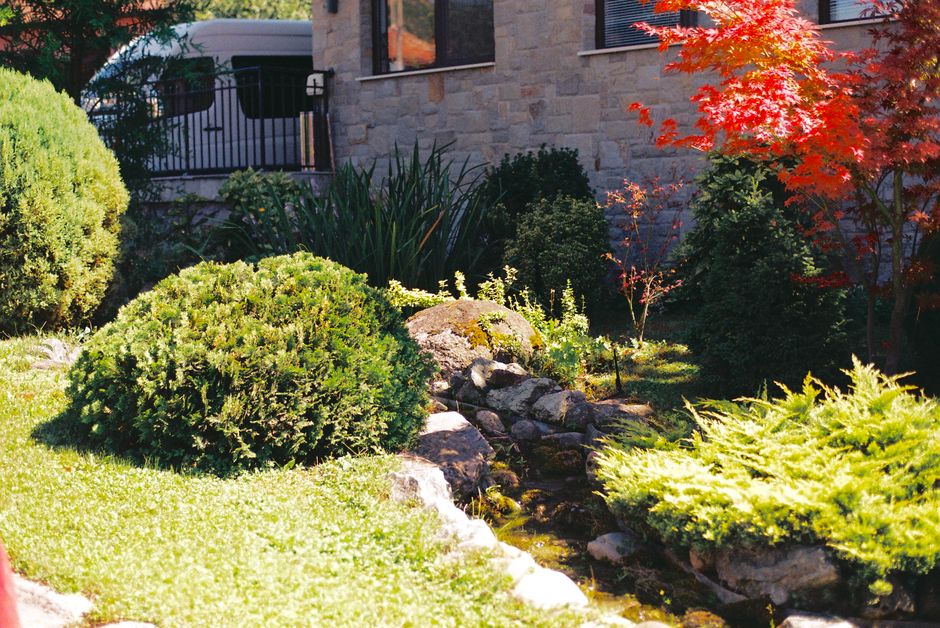
Most homeowners think of landscaping as maintenance - mowing the lawn, trimming the hedges, maybe planting a few flowers in spring. Done with intention and expertise, though, landscaping becomes something far more powerful: a high-return investment that touches property value, energy costs, environmental impact, and quality of life. Here's a breakdown of exactly why the numbers make such a compelling case.
The headline stat is hard to dismiss. Well-executed landscaping can boost a home's sale price by 5-15%, and exceptional landscaping - think intentional design, mature plantings, and cohesive hardscaping - can push that figure to 15-20%, according to industry estimates from the American Society of Landscape Architects (ASLA), as reported by Redfin. A Virginia Tech study found that high-quality landscaping increases perceived home value by 5.5-12.7% compared to homes with minimal or no landscaping.
The exterior of a home communicates care, maintenance, and livability - signals that buyers actively look for and willingly pay a premium to find.
What makes landscaping especially compelling as a home investment is the return relative to cost. Unlike a kitchen remodel or bathroom addition, even modest landscaping upgrades can generate outsized financial returns.
Routine lawn care - regular mowing, edging, and seasonal upkeep - can yield a 217% ROI at resale. That's not a typo. For relatively low ongoing costs, a consistently well-maintained lawn dramatically increases a property's perceived value and marketability.
The flip side is just as striking. Neglected or poorly executed landscaping can decrease a home's value by as much as 30%. Overgrown shrubs, patchy grass, and cluttered outdoor spaces don't just reduce curb appeal - they actively signal deferred maintenance and can drive buyers away before they even step inside. The cost of doing nothing is far greater than most homeowners realize.
Getting top dollar is only part of the equation. Selling quickly matters too - especially in markets where carrying costs, mortgage overlap, or timing pressure is a real concern.
According to survey data, 97% of Realtors believe curb appeal is important for attracting buyers, and 92% actively recommend sellers improve their home's exterior before listing. That near-universal consensus from real estate professionals reflects what they see working in the market, deal after deal.
Properties with attractive landscaping tend to sell faster on average, with some research suggesting a 10-15% reduction in selling time. Buyers are drawn to move-in-ready exteriors, and a well-landscaped home immediately signals that the property has been cared for. In competitive markets, a faster sale can translate directly into better negotiating leverage and fewer price reductions.
This is where landscaping crosses from aesthetic investment into practical financial planning. The placement of trees and shrubs around a home directly affects what homeowners pay for heating and cooling year-round.
Strategically planted deciduous trees provide natural shade that can lower indoor temperatures and reduce summer cooling costs by 30-35%. Deciduous trees are ideal for this purpose: they provide dense shade in summer and drop their leaves in winter, allowing sunlight to warm the home when it's needed most. It's passive climate control that pays dividends every season.
Dense evergreen trees and shrubs planted on the north and northwest sides of a property can act as windbreaks, reducing wind speeds by up to 75% and lowering heating costs by as much as 30% in colder months. That's a significant utility reduction from a one-time planting decision made by a knowledgeable landscape designer.
Professionally designed landscapes contribute to environmental health in ways that increasingly matter to buyers, municipalities, and communities alike.
Healthy lawns and landscapes act as natural air purifiers - trapping dust, absorbing airborne pollutants, and pulling carbon dioxide from the atmosphere through photosynthesis while releasing oxygen. In urban and suburban environments where pollution levels are elevated, a well-planted yard produces measurable benefits for both the immediate household and the surrounding neighborhood.
Sustainable landscaping practices - incorporating drought-tolerant native plants, deep-rooted ground covers, and water-efficient systems like drip irrigation - significantly reduce water consumption and prevent soil erosion. On sloped properties especially, strategic planting stabilizes soil that would otherwise wash away during rain events. These practices reduce long-term maintenance costs and protect the structural integrity of the landscape itself.
The case for professional landscaping extends well beyond resale value. Research consistently links access to well-designed green spaces with meaningful improvements in mental and physical health. A thoughtfully landscaped backyard reduces stress, lowers blood pressure, and supports daily decompression in ways that an interior renovation simply can't replicate.
Outdoor spaces designed with sensory elements - aromatic plants, water features, natural materials - create environments with genuine therapeutic value. Functional outdoor spaces also encourage movement: garden paths, open lawn areas, and patio settings promote physical activity and social interaction. These lifestyle benefits compound quietly over time, even when no one is thinking about resale.
Stack up the evidence and a clear picture emerges. Professional landscaping:
Few home improvement projects check this many boxes at once. Most upgrades improve one dimension - a new roof protects the structure, a remodeled kitchen improves daily function - but professional landscaping operates across financial, environmental, and personal dimensions simultaneously. That's what makes it uniquely valuable, not just as a pre-sale move, but as a long-term ownership decision.
The difference between landscaping that adds value and landscaping that falls flat usually comes down to design intentionality. Choosing the right plants for the right positions, understanding site-specific drainage and sun exposure, and building a cohesive visual strategy from the street to the backyard - that's where professional expertise earns its cost back many times over.


