Feeling anxious about a dental appointment isn’t just for kids. Studies show that fear of the dentist is extremely common among adults, often leading to delayed care and worsening oral health.
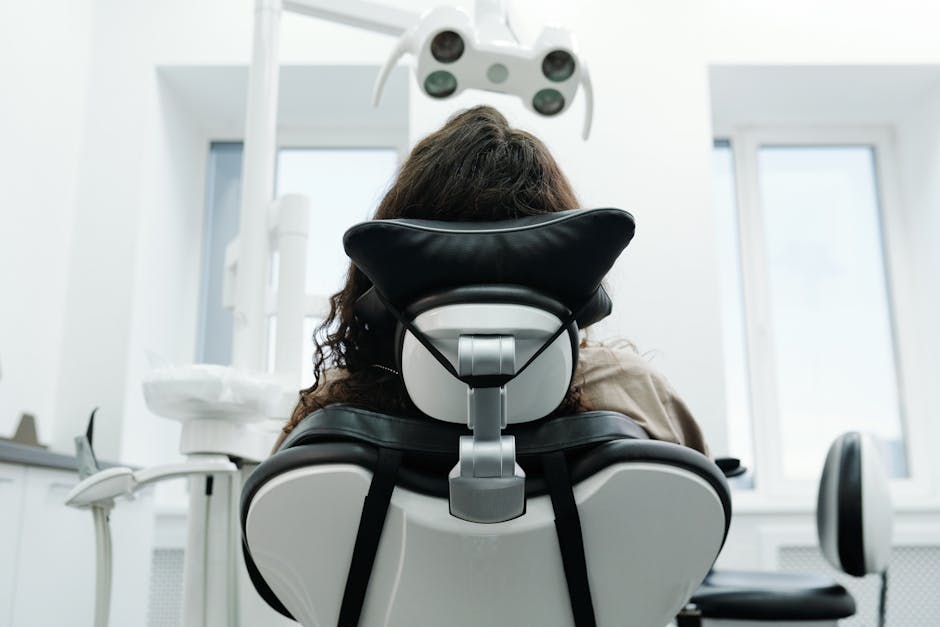
For many adults, the thought of sitting in a dental chair can spark a racing heart, sweaty palms, or even sleepless nights before an appointment. Far from being unusual, research shows these feelings are the norm.
A 2025 study reported that 47.82% of dental patients experience dental anxiety—44.8% with moderate symptoms and 2.9% with severe anxiety. Another analysis found that as many as 75% of adults report some degree of dental fear, with up to 15-16% suffering from high anxiety or phobia. Globally, prevalence estimates range from 12-15%, with women and younger adults most likely to be affected (PMC 12315013, 2025; News Medical, 2025; Frontiers in Oral Health, 2025).
These numbers make one thing clear: dental anxiety is both widespread and normal. But the consequences can be serious if fear keeps people away from routine care.
Dental experts at in Sumter, SC highlight a recurring pattern: anxiety drives avoidance, which worsens oral health, which then increases anxiety. Studies show that 40.6% of adults avoid dental visits for as long as possible, while 31.8% delay care until pain becomes severe (PMC 11356593, 2024).
The triggers vary—childhood experiences with drilling or needles, fear of pain, or the feeling of losing control during treatment. Procedures such as surgery (58.7% of patients) and restorative work (15.2%) are most likely to heighten anxiety. Over time, this avoidance creates more complex dental issues, reinforcing the very fears that caused the delay in the first place.
Demographic trends add another layer. Across multiple studies, women consistently report higher levels of dental fear than men, while young adults aged 18 to 30 are more prone to moderate or severe symptoms. Experts suggest that these patterns reflect a combination of social expectations, prior negative experiences, and greater sensitivity to perceived pain or loss of control.
The good news is that dental anxiety can be managed, and experts agree that acknowledging it is the first step. Cognitive Behavioral Therapy (CBT), empathetic communication from providers, and modern sedation options all play a role.
Clinics across South Carolina are incorporating these approaches. Professionals at Crescent Family & Cosmetic Dentistry, for example, emphasize patient-centered strategies such as taking time to explain each procedure and offering sedation when needed. "We see patients who have avoided dental care for years because of anxiety or embarrassment," a representative explained. "Our approach helps them feel safe and supported so they can get the care they need without fear."
Innovative techniques, including the use of virtual reality in some practices, are also being explored to reduce stress and create a more comfortable experience.
Experts stress that avoiding the dentist because of fear only worsens long-term health outcomes. Early intervention prevents minor issues from becoming major ones, while regular visits reduce the risk of severe pain or complex restorative procedures. Breaking the cycle of avoidance both improves oral health and transforms the way patients feel about dental care itself.
Dental anxiety is common, but it doesn't have to control your health decisions. Supportive environments, clear communication, and evidence-based strategies are making visits less stressful than ever.
For adults in South Carolina who want to explore anxiety-relief options, patient-focused clinics such as can provide guidance and care suited to individual comfort levels.


