As Swiss summers grow hotter and longer, air conditioning is no longer just a luxury—it’s becoming a necessity. From energy demand shifts to market growth and policy incentives, here’s what every homeowner needs to know.
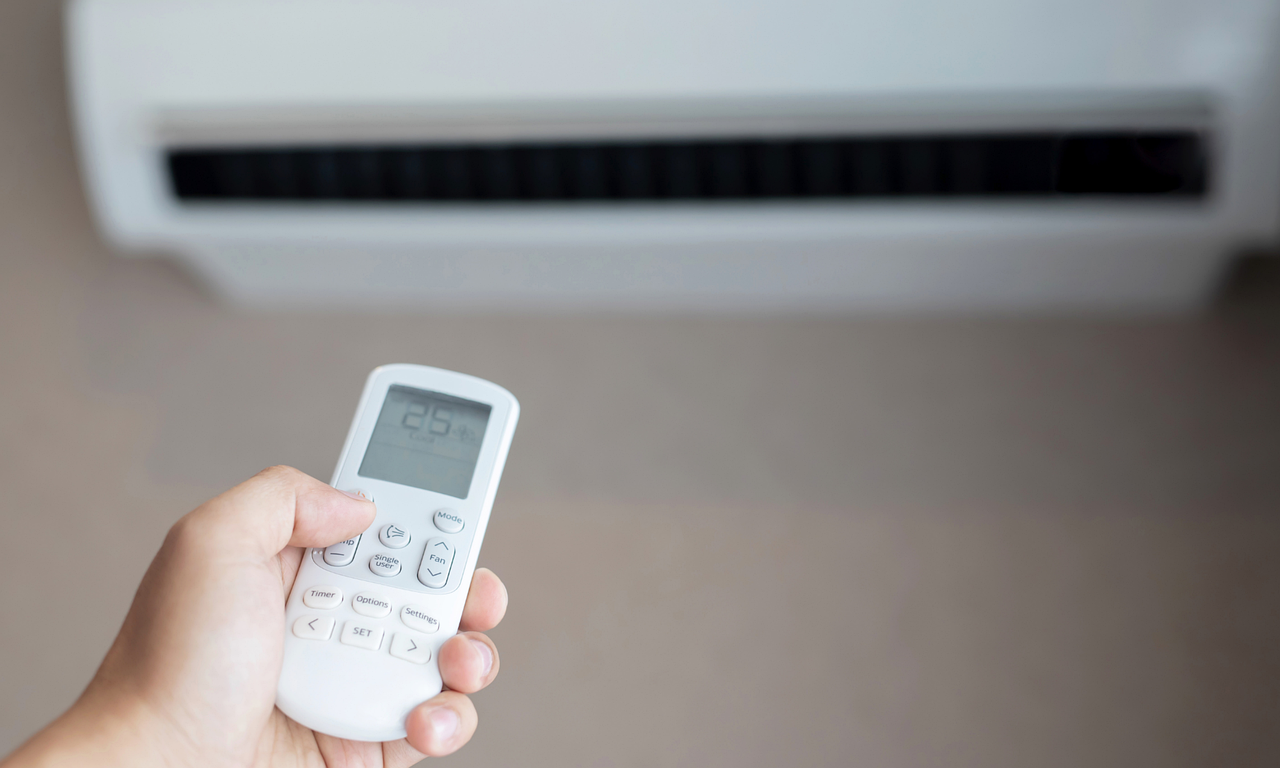
Long known for crisp mountain air and cool evenings, Switzerland is now facing a very different kind of summer. In recent years, the number of hot days exceeding 25°C has doubled across many regions, and scientists warn this is just the beginning. Projections from Empa and ETH Zurich suggest that "cooling degree days"—the metric used to measure how often buildings require active cooling—could double by 2050.
The result? A surge in , with sales reportedly increasing by over 400% during peak heat periods. What was once considered optional is rapidly becoming essential.
This rising demand isn't just about comfort—it's reshaping the Swiss energy landscape. Research from EPFL and the Swiss Federal Office of Energy shows that while heating needs are declining, electricity use for cooling is climbing fast. Cooling systems now account for nearly 11% of national electricity use, edging closer to heating's 14%. This has started to impact the country's energy grid, with summer peak loads rivaling winter's for the first time.
This shift is especially pronounced in newer homes. Studies show that buildings constructed after 2000 already account for about half of Switzerland's current cooling energy demand. Without significant adaptation, national cooling demand could reach 10-17.5 TWh by 2050—more than triple today's levels.
While techniques like night ventilation and window shading can reduce indoor temperatures, scientific analyses show that even the best passive cooling strategies may only reduce energy needs by up to 84%. For many, especially those in urban areas or newer high-insulation homes, active air conditioning is becoming the only practical solution.
"Cooling is no longer a seasonal luxury—it's a year-round infrastructure consideration," say air conditioning specialists at Dietikon-based climate control firm Roth-Kippe AG. With over a century of experience, they've seen demand shift from construction heating to , especially in homes and IT facilities where temperature stability is critical.
As demand grows, so does innovation. The Swiss market for split air conditioning systems is expanding quickly, with a marked consumer shift toward inverter technology, smart home compatibility, and refrigerants with lower environmental impact.
This is echoed in the commercial sector, too. The data center precision cooling market is projected to grow from USD 96 million in 2023 to USD 233 million by 2032 (CHF 84 million to CHF 204 million), driven by digitalization and the need for reliable, energy-efficient IT cooling.
More and more companies are responding with integrated solutions—offering not just air conditioning, but systems that blend seamlessly with home automation, improve energy performance, and ensure long-term reliability.
With government incentives, regulatory changes, and environmental awareness shaping how the country cools its buildings, it's clear that climate control is entering a new chapter in Switzerland.
Whether you're looking to stay comfortable during the next heatwave or future-proof your home for the changing climate, exploring air conditioning options—especially energy-efficient ones—is worth considering.
For expert insights on modern cooling strategies, climate control specialists like those at can help assess your needs and recommend solutions that balance comfort, sustainability, and performance.


