Wondering whether to start on acoustic or electric? Electrics are easier on the hands, while acoustics push you harder but sharpen technique. The best first guitar is the one that matches your playlist—skills transfer either way.
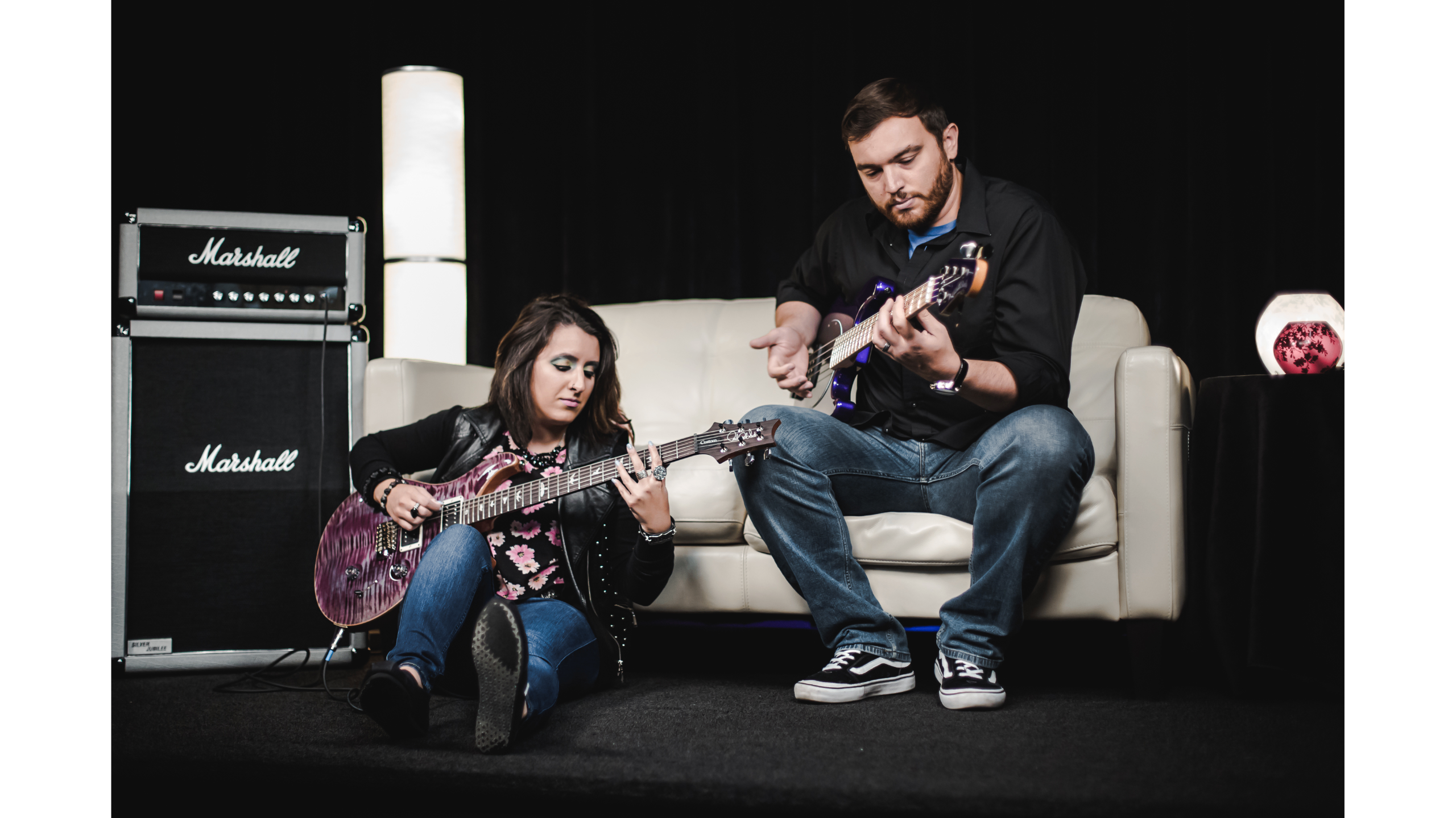
Learning guitar comes with one of the first big crossroads: acoustic or electric. That choice can feel like staring down two roads with no map—and it really does set the tone for your whole journey. Beginners ask this all the time in shops like , looking for a clear answer.
The guitar you pick can shape how motivated you stay, the styles you lean into, and whether you're still playing a year from now.
Both acoustic and electric guitars use steel strings, which means—yep—your fingertips are gonna hurt at first. But that sting actually works in your favor. Steel gives what players call a locking feel: once your fingers hit the right spot, the tension sort of snaps you into place. That feedback helps your muscle memory kick in faster. Translation: the pain pays off.
Acoustics come with those big hollow bodies that pump out sound without needing an amp. They're bulky, which forces your strumming arm to stretch further—awkward at first, but it sets you up with solid technique.
Electrics, on the other hand, are slim and sit snug against your torso. Way easier to hold, especially if you've got a smaller frame. But here's the catch: because they're so forgiving, you can sometimes cheat your way through sloppy form without noticing.
Electric necks are thinner, with tighter string spacing and lower action. You don't need much pressure to make notes ring out, so chords feel smoother and faster.
Acoustic necks? Thicker, with strings set wider and higher. They'll make you work for every clean note. It's brutal on beginners, but that grind builds finger strength and accuracy that'll transfer to any guitar you pick up later.
Pick up an acoustic and there's nowhere to hide. Miss a chord? Mute a string by accident? Strum like a lawnmower? You'll hear all of it instantly. That honesty can feel harsh at first, but it fast-tracks your technique—every mistake pushes you to tighten up.
Electrics flip the script. Plug one in, add a little distortion, and suddenly you sound cooler than you actually are. That's fun and motivating, but it can also let sloppy habits slip through. Experts warn that players who start on electric sometimes struggle when they switch to acoustic, because the amp had been covering their mistakes.
Here's where electrics shine: volume control. You can crank it up, keep it low, or plug in headphones and practice at 2 a.m. without your roommate plotting your murder. That flexibility often means you'll practice more, and that's half the battle.
Acoustics? They're as loud as your strumming hand decides. Great for home, small gatherings, or busking on a street corner, but you can't exactly turn them down when the baby's asleep.
Acoustics weigh almost nothing—grab, strum, go. You can drag one to the beach, a bonfire, or a backyard jam with zero setup. That portability often sparks spontaneous practice.
Electrics weigh more (6-12 pounds) and always bring friends: the amp, the cable, the gear bag. That little bit of extra hassle can kill the vibe if you're still building a practice routine. But for players chasing sound variety, the trade-off feels worth it.
On paper, acoustics look cheaper. A solid beginner model runs about $150-$250, and that's almost the whole bill. Toss in a case, some strings, maybe a tuner, and you're good.
Electrics start a little higher—$200-$300 for the guitar alone—but that's just the cover charge. You'll need an amp (at least $75-$150 for a practice rig), a cable ($10-$20), and probably a strap. Add it up, and you're in the $300-$450 range before you even think about extras.
Electrics have a way of draining your wallet slowly. First it's a distortion pedal ($50-$150), then a new cable, then another pedal… then a better amp. Before long, you've spent more on gear than on the guitar itself.
Acoustic players have it simpler. You'll chew through steel strings faster ($8-$15 a set), but beyond that, it's mostly basic upkeep. Less temptation, fewer accessories, more playing.
Here's the thing: good guitars hold their value. Acoustics even get better with age—the wood opens up, the tone warms. Electrics tend to depreciate faster thanks to tech upgrades and shifting trends, though the right vintage piece can become a goldmine.
But resale value isn't what keeps you playing. The real "return on investment" is whether the guitar keeps you coming back. If it feels right in your hands and makes you want to practice, that's the payoff that actually matters.
If your idols are blasting power chords, melting faces with solos, or bending notes until they cry—yeah, you're looking at electric. Rock, punk, metal, blues—they all live and die by amps and effects. Distortion, feedback, sustain? That's the electric playground. The lighter strings and lower action also make it easier to nail those bends and slides that give blues and rock their soul.
Acoustics are the heart of folk, country, bluegrass, and every coffeehouse singer pouring their diary into a mic. Warm, full, resonant—they don't need anything but your hands to fill a room. Plenty of indie and pop artists keep an acoustic in the mix too, either leading the song or adding texture under synths and beats. If you want something intimate and raw, acoustic is your jam.
Of course, musicians don't always stay in their lane. Rock legends sneak acoustics into ballads. Folk artists plug in and run electrics through subtle effects for atmosphere. The lines blur fast, and that's part of the fun.
For beginners? Start with what lines up with your playlist. Love Hendrix and Metallica? Go electric. Obsessed with Dylan or Phoebe Bridgers? Grab an acoustic. You'll probably end up playing both eventually, but picking the one that speaks to your style will keep you motivated through the finger blisters and awkward chord changes.
Here's the good news: whatever you start with, the skills carry over. Fretting notes, strumming patterns, music theory—those fundamentals work on any guitar you'll ever pick up.
But the transfer isn't perfectly even. If you cut your teeth on acoustic, moving to electric feels like taking ankle weights off. All that finger strength and precision you built makes the lighter strings and lower action a breeze. Flip it around, though, and the transition can sting. Electric-first players often get humbled when they switch to acoustic, suddenly needing more muscle and accuracy.
That's why a lot of teachers swear by starting on acoustic—it builds a rugged foundation you can take anywhere. Still, the "right" first guitar isn't about toughness or resale value. It's the one that keeps you practicing, even when your fingertips are sore and your chord changes are clumsy.
As the Gear Experts at put it: "The best first guitar is the one that makes you want to pick it up again tomorrow." Whether that's an acoustic with wide-open resonance or an electric that makes you feel like a rock god plugged into your bedroom wall, the point is to start... and keep going.


