If your child is low on confidence and self-conscious about their teeth, the good news is that fixing them is quicker, less painful, and a more discreet process than ever before. We look at why clear aligners are changing the face of orthodontics for juniors.
Back in the day, dental braces were clunky and painful and made you feel pretty self-conscious. Thankfully, today's orthodontic technology has changed the game for teeth-troubled teens. Read on to learn more about faster, easier treatment options and why early intervention is key.
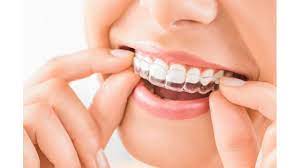
Clear aligners have revolutionized orthodontic treatment. They're transparent and molded exactly to the shape of your teeth, so they're barely noticeable and certainly a lot less cumbersome and less painful to wear.
Aligners from leading brands like Invisalign and SureSmile can solve a wide range of dental growth issues, including misaligned teeth, bite problems, and improve overall dental health and function.
There's a growing demand for orthodontic treatments across the US: the 2025 Dental Industry Outlook reports that nearly 50% of practices see 100 to 399 new patients per month. This surge in demand is driven by the aforementioned advances in orthodontic technology that have made braces and aligners more discreet and less visible while delivering results in less time.
It's always a good idea to consult with a professional as early as possible if you're concerned about how your kid's teeth are developing.
We spoke to Dr. Liu of WA-based Sean Liu Orthodontics for his take on the treatment timeline. For children, he recommends seeing an orthodontist by the time they reach seven years of age. Young patients at this stage have a mix of baby and permanent teeth that allows the orthodontist to identify and remedy issues such as overcrowding, crossbite, and overbite. By providing early treatment for children, they can guide jaw development and influence the growth pattern of incoming permanent teeth.
Dr. Lui adds, “Early treatment can also regulate the width of the upper and lower dental arches, gain space for permanent teeth, avoid the need for permanent tooth extractions, reduce the likelihood of impacted permanent teeth, correct thumb-sucking, and eliminate abnormal swallowing or speech problems.”
Unlike traditional braces, clear aligners are removable and don't restrict what you can eat. Patients opting for aligners also benefit from advanced technology such as 3D scanning and computer-assisted modeling, which facilitates fully customized designs for an accurate and comfortable fit.
An experienced orthodontist will also advise on which brand is most suitable for individual cases.
No. While they work for most people, Dr. Lui advises that, for more extreme and complex cases, clear aligners may not be enough to remedy the problems. In these cases, traditional-style metal wires and brackets may be most appropriate for the patient. However, even these methods have developed a lot over the years. Nowadays, metal brackets are much more comfortable for the wearer and will do their job in less time, while gradual adjustments in tension across the treatment period keep any discomfort to a minimum.
So, as you can see, fixing dental issues with braces and aligners is easier than ever. If you think your kids might need treatment, book an appointment with an experienced professional orthodontist. They'll have them smiling again in no time!


