Instant drug test cups offer quick screening, yet results depend on correct handling, timing, and panel selection. See what common panels include, how to read lines, and when confirmation matters.
Fast urine screens can feel reassuring because they deliver an answer quickly, and quick answers often shape real decisions in workplaces and at home. Even so, speed alone does not protect you from mistakes, especially when people treat a rapid screen as a final verdict instead of a first signal.
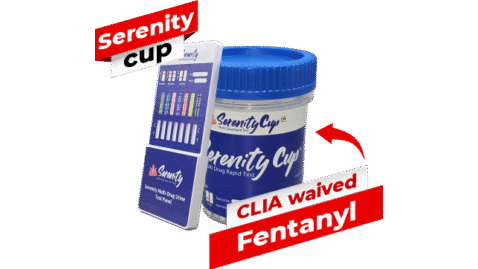
That is why multi-panel cups are popular, since a single sealed cup can screen for several drug groups at once, and a 14-panel instant urine drug test cup is one example of that “many checks in one step” approach. The key is learning what the panels actually look for and how the result should guide your next move, rather than trying to squeeze certainty out of a tool built for screening.
People usually get into trouble in two places: they assume the cup detects every drug they care about, and they assume a positive screen automatically equals a confirmed result. In reality, home-use style tests are designed to tell you whether a drug may be present, and the FDA describes a two-step process where a lab test follows a preliminary positive result.
On top of that, accuracy depends on context, so a well-made test can still mislead if you handle the sample poorly, test outside the detection window, or run the test in messy conditions. Medication use also matters, since both workplace guidance and the FDA note that medicines and other substances can affect results, which is exactly why confirmation testing exists.
A drug test cup is a self-contained urine testing device with built-in test strips, designed to screen for multiple drugs from one sample and show a visual result within minutes. The process usually starts with collecting urine directly into the cup, sealing it, and then activating the test so that urine flows onto the strips inside the cup.
Once urine moves along the strip, the result appears as lines, and the control line matters most at the start because it tells you the test ran. From there, the usual reading pattern is straightforward: two lines typically indicate a negative screen, one control line by itself indicates a positive screen, and no control line means you should treat the test as invalid and re-test with a fresh device.
The honest answer starts with a simple rule: the cup tests only what its label lists, so checking the panel names matters more than guessing. The FDA’s home-use overview lists common drugs these urine tests can detect, and that list covers both illegal drugs and some prescription categories that are often misused.
Used correctly, instant urine drug tests can be accurate, and workplace guidance describes them as reliable screening tools while still warning that several factors can push results off course. In other words, the cup can do its job, and you can still get a misleading outcome if the surrounding steps are weak.
Accuracy also depends on what you mean by “accurate,” since these tests are qualitative and aim to indicate whether a drug may be present rather than measuring how much is there. When the test suggests drugs may be present, the FDA recommends sending the sample to a laboratory for additional testing, since lab testing is the most reliable way to confirm drugs of abuse.
When you need a quick screen that covers several drug groups in one collection step, a multi-panel cup can make the process simpler and more consistent than juggling separate strips. Even then, the most responsible approach is to match the panel list to your actual need and to treat any preliminary positive as a prompt for lab confirmation, especially when the result affects someone’s job, safety, or care plan.
If you are choosing a cup for routine screening, start by checking the label for the specific drugs you care about, and plan for confirmation testing when a preliminary positive appears. For readers comparing panel options, a 14-panel instant urine drug test cup can be a useful reference point while you decide what coverage you actually need.


