Electric pumps lead UK experts’ rankings for fastest pool float inflation. Leaf blowers and shop vacs offer surprisingly quick alternatives, while manual pumps remain reliable when electricity isn’t available.
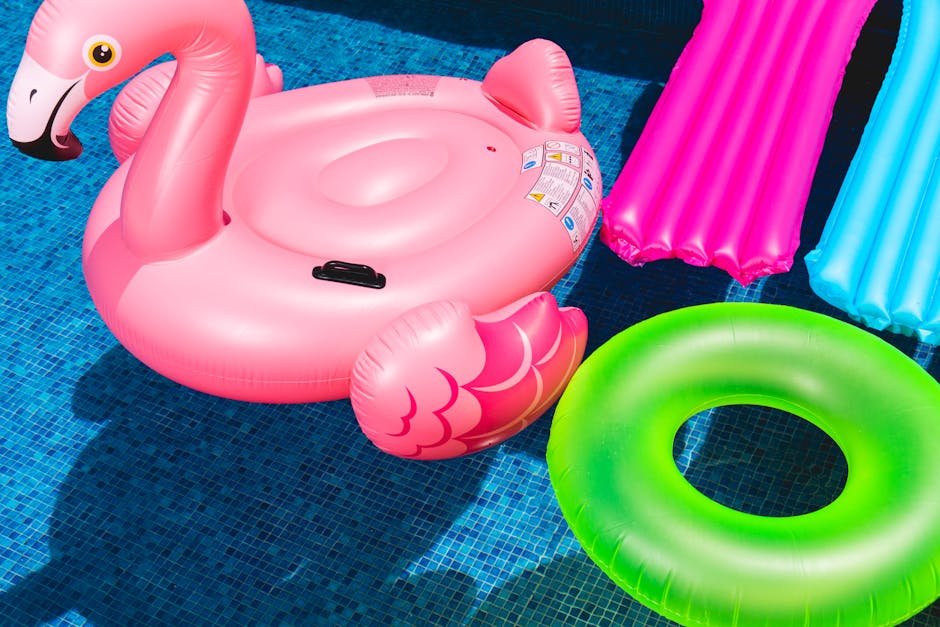
Inflating pool floats can turn summer fun into a frustrating task. According to a survey by the American Red Cross, an astonishing 65% of pool owners find inflating pool floats and inflatables challenging, often spending more time setting up than actually enjoying the water. UK pool experts have analysed the most efficient inflation methods to help maximise your leisure time this summer season.
For efficiency and convenience, electric pumps rank as the top choice among UK pool experts for inflating pool floats. These devices combine speed with minimal physical effort, making them ideal for multiple inflatables or larger pool accessories.
Rechargeable pumps, such as the AutoPump, balance portability and power perfectly. Without needing a constant connection to an electrical outlet, these devices work poolside or at the beach. Most models include multiple nozzle attachments to fit different valve types found on various pool floats. Their cordless design eliminates tripping hazards around water, making them both practical and safe.
Plug-in electric pumps deliver consistent power and work best for home pool setups with readily available electrical outlets. These pumps typically offer the fastest inflation times of all options, handling even the largest pool floats quickly. Many models include pressure gauges to prevent over-inflation, which can damage float materials or cause seams to split.
Battery-powered pumps sit between manual pumps and fully electric models. While not as powerful as their plug-in counterparts, they provide decent inflation speeds without requiring an outlet. These work particularly well for occasional use or as backup options. Many current models use standard batteries, making replacement simple when needed.
Car-powered air pumps connect to your vehicle's 12V outlet, perfect for inflating pool floats at remote locations. They work especially well for beach trips or lake outings where traditional power sources aren't available. Though slightly slower than household electric pumps, they still outperform manual inflation methods significantly.
When electricity isn't available, manual pumps provide reliable alternatives for inflating pool floats. These methods require more physical effort but can be surprisingly efficient with proper technique.
Foot pumps use the power of your legs - usually stronger than your arm muscles - to create air pressure. The standing position allows you to use your body weight to compress air efficiently. Most foot pumps feature a wide, stable base and can inflate medium to large pool floats with less fatigue than hand pumps. Their compact design makes them easy to transport and store, ideal for holidays or limited storage spaces.
Hand pumps come in various designs, from simple bellows to double-action models that inflate on both the push and pull strokes. While requiring more effort than electric alternatives, quality hand pumps remain reliable options for standard pool floats. They don't need power sources, making them good backup options for pool owners, especially at locations without electricity.
Many bicycle pumps work for pool float inflation with the right adapter. Floor-standing bike pumps with pressure gauges provide excellent leverage and precision. The narrow cylinder design creates high-pressure air flow, though this means inflation takes longer than with wider-barreled pumps specifically designed for floats.
When traditional pumps aren't available, several household tools can offer quick pool float inflation. In fact, these unconventional methods often surprise pool owners with their effectiveness.
Leaf blowers provide tremendous air volume, making them excellent for rapidly inflating larger pool floats. Simply hold the leaf blower nozzle against the float's valve opening, creating a seal with your hand. The strong airflow can inflate large floats much faster than many conventional methods. The main drawback? Less precise inflation control, so avoid using this method on delicate or small floats.
Most shop vacuums can blow air rather than suction. By connecting the hose to the exhaust port and then to the valve on your inflatable, you create a powerful inflation tool. This method works particularly well for medium to large floats. The focused airflow allows for better control than leaf blowers while still providing substantial power.
A hair dryer set to cool can effectively inflate smaller pool toys and floats. This method works best for children's arm bands, small animal-shaped floats, and similar items. The key safety consideration is using only the cool setting. After all, hot air can damage vinyl and plastic materials, causing them to stretch or warp. While not powerful enough for large loungers, a hair dryer works well for smaller items.
Workshop air compressors with the appropriate nozzle adapters provide industrial-strength inflation power. Their high PSI output makes quick work of even the largest pool floats. The precision control allows for exact pressure adjustments, though care must be taken not to over-inflate. This method suits those who already own an air compressor for other household purposes.
Regardless of the inflation method chosen, safety should always come first. According to Consumer Product Safety Commission research, improper inflation techniques contribute significantly to pool-related accidents and injuries.
Overinflation is one of the most common mistakes when blowing up pool floats. When a float contains too much air, the material stretches beyond its intended capacity, weakening seams and increasing the risk of sudden bursts. UK experts recommend inflating floats to approximately 90% of their maximum capacity, especially on hot days when air inside the float will expand further in the sun. For precision inflation, pumps with pressure gauges or automatic shut-off features provide the safest results.
Many pool owners don't realise that temperature significantly impacts inflation pressure. Air expands when heated and contracts when cooled. A float perfectly inflated in cool morning air might become dangerously over-pressurised in the afternoon sun. Similarly, floats inflated indoors might seem underinflated when first placed in cold pool water. UK pool specialists recommend inflating floats in similar conditions to where they'll be used, or adjusting inflation levels accordingly.
Different float materials require specific inflation approaches. PVC and vinyl floats typically stretch more than newer materials like reinforced fabrics. High-end floats with drop-stitch construction can handle higher pressures and maintain rigid shapes, while traditional vinyl pool toys require gentler inflation. Always check manufacturer guidelines for specific PSI recommendations when available, as exceeding these can void warranties and create safety hazards.
Valves are common failure points on pool floats, making proper handling essential for longevity. When connecting pumps or inflation devices, avoid forcing attachments that don't fit naturally. Instead, use appropriate adapters to ensure secure connections. After inflation, promptly seal valves completely to prevent slow leaks. For floats with multiple chambers, inflate in the sequence recommended by the manufacturer to maintain proper shape and structural integrity.
With proper equipment and techniques, inflating pool floats changes from a frustrating chore to a quick step in your summer leisure routine. Whether you choose electric efficiency, manual reliability, or innovative solutions, the right approach saves time and extends the life of your pool accessories. By following the expert guidelines above, you'll spend less time pumping and more time enjoying your perfectly inflated pool floats all summer long.
And for the most convenient option, AutoPump offers a versatile inflation solution for pool enthusiasts looking to simplify their summer setup and maximise water recreation time.


