Industrial circuit breaker installation mistakes cost facilities thousands in downtime and repairs, yet many experienced electricians overlook critical details during setup. From incorrect torque specifications to skipped testing procedures, these preventable errors create safety hazards and operational disruptions that surface during peak demand periods.
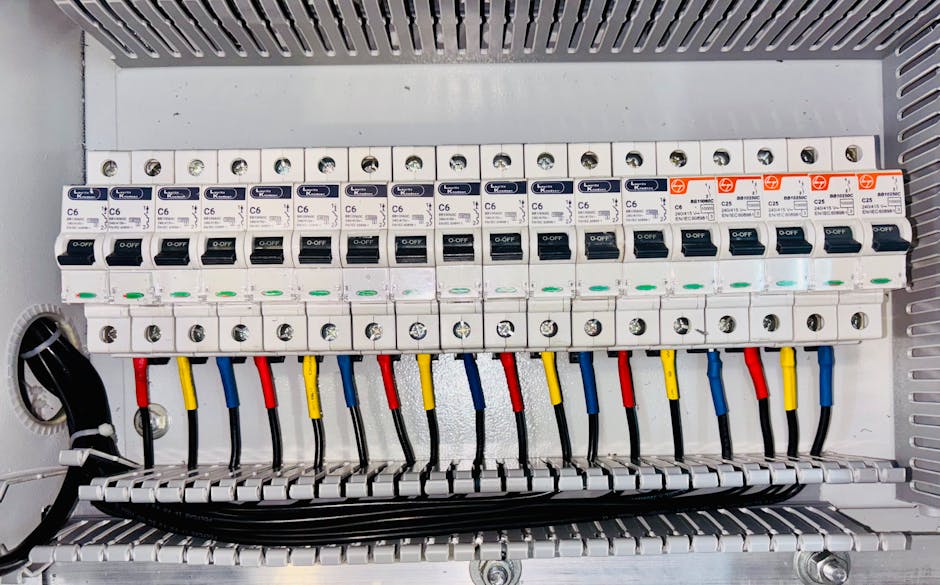
A single wiring error during circuit breaker installation can trigger cascading failures that shut down entire production lines, costing facilities thousands of dollars per hour in lost productivity.
Understanding comprehensive selection guidelines for different types of industrial circuit breakers becomes essential when you consider that even experienced professionals can overlook critical details during what should be routine electrical work. Every year, electrical contractors and facility managers face equipment damage, code violations, and safety hazards that stem from preventable installation mistakes.
The complexity of modern industrial electrical systems means that small oversights during circuit breaker installation can compromise your facility's electrical infrastructure and operational reliability. These problems extend far beyond initial faulty connections, creating hidden issues that surface during peak demand periods when your facility can least afford downtime.
Circuit breaker installation mistakes create problems that multiply throughout your electrical system, affecting everything from production schedules to insurance premiums. When breakers trip repeatedly without apparent cause, maintenance teams waste valuable hours troubleshooting phantom problems while production equipment sits idle. These installation errors often remain hidden until overloaded circuits fail and expose inadequate protection schemes that should have been caught during initial setup.
The financial impact extends beyond immediate repair costs when you consider inspection failures, rework expenses, and potential liability issues from electrical incidents. Insurance claims related to electrical fires or equipment damage frequently trace back to installation errors that violated manufacturer specifications or electrical codes. Your facility's reputation and client relationships suffer when electrical problems cause delivery delays or quality issues, creating long-term business impacts that dwarf the initial installation costs.
The most expensive mistakes often begin before anyone touches a wire, starting with incomplete assessments of actual electrical demands versus theoretical calculations. Facilities frequently discover that their initial load calculations failed to account for motor inrush currents, harmonic distortion from variable frequency drives, or future expansion needs. This oversight leads to undersized breakers that trip during normal operations or oversized units that fail to provide adequate protection during fault conditions.
Common calculation errors that compromise system reliability:
Industrial facilities often combine equipment from multiple manufacturers, creating compatibility challenges that residential electricians rarely encounter. Not all breakers work properly in every panel, despite similar physical dimensions or voltage ratings that suggest interchangeability. Mixing breaker brands within the same panel can void warranties, violate electrical codes, and create dangerous conditions where breakers fail to trip during overcurrent events.
The compatibility puzzle becomes more complex when dealing with specialized breakers for motor protection, ground fault detection, or arc flash mitigation systems. Each manufacturer designs their products with specific trip curves, mechanical interfaces, and coordination requirements that don't always translate across brands. Smart breakers with communication capabilities add another layer of complexity, requiring compatible protocols and firmware versions throughout the system.
Professional electricians understand that proper wire termination involves more than just making solid connections that pass initial inspection. Every breaker manufacturer provides specific torque values for terminal connections, and deviating from these specifications creates high-resistance connections that generate heat over time. Under-torqued connections gradually loosen from thermal cycling, while over-torqued terminals can crack or deform, creating intermittent faults that are difficult to diagnose.
The problem intensifies with aluminum conductors, which require special preparation techniques and anti-oxidant compounds to prevent corrosion at connection points. Many installers still use copper torque specifications for aluminum wire, creating connections that deteriorate rapidly under load. Temperature changes cause aluminum to expand and contract more than copper, requiring different terminal designs and regular maintenance to maintain proper contact pressure.
Industrial grounding systems serve multiple purposes beyond basic electrical safety, including noise reduction for sensitive control systems and proper operation of ground fault protection devices. Installation crews sometimes treat grounding as an afterthought, using undersized conductors or creating ground loops that interfere with electronic equipment operation. The grounding system must handle fault currents without excessive voltage rise while maintaining separate paths for equipment grounding and system grounding where required.
Critical grounding elements often installed incorrectly:
The pressure to complete projects quickly often leads contractors to minimize or skip critical testing procedures that would reveal installation problems before energization. Basic continuity checks might pass, but without proper insulation resistance testing, phase rotation verification, and coordination studies, serious problems remain undetected. Modern test equipment can identify issues like crossed phases, improper ground connections, or insulation damage that visual inspections miss entirely.
Infrared thermal imaging during initial loading reveals hot spots from poor connections or overloaded circuits before they cause failures. Primary injection testing confirms that breakers trip at their rated settings, while secondary injection testing verifies proper operation of electronic trip units and communication systems. These tests take time but prevent the much longer downtime associated with failures during production operations.
Complete documentation goes beyond basic circuit labels to include torque values used, test results obtained, and any deviations from original specifications made during installation. Maintenance teams need access to trip unit settings, coordination study results, and time-current curves to troubleshoot problems effectively. Without this information, every future modification or repair becomes a guessing game that increases the risk of creating new problems while fixing existing ones.
Industrial environments subject circuit breakers to conditions that accelerate wear and reduce reliability without proper consideration during installation. High-humidity areas require sealed enclosures or space heaters to prevent condensation that causes corrosion and tracking between phases. Vibration from nearby equipment loosens connections over time unless installers use appropriate lock washers, thread-locking compounds, or other vibration-resistant hardware designed for electrical applications.
Corrosive atmospheres found in chemical plants, water treatment facilities, or coastal installations demand special attention to material selection and protective coatings. Standard breakers may require upgraded enclosures, conformal coatings on electronic components, or regular preventive maintenance schedules to maintain reliability. Dust accumulation acts as insulation that traps heat, requiring adequate ventilation or filtration systems to maintain proper operating temperatures.
Industrial circuit breaker installation demands attention to detail, thorough planning, and recognition that seemingly minor mistakes can have major consequences for facility operations and safety. By understanding common installation errors and implementing systematic approaches to avoid them, electrical professionals can deliver reliable systems that protect equipment and personnel while minimizing operational disruptions.
Success comes from combining technical knowledge with practical experience, supported by resources like Electrical Power and Control's detailed selection guides and installation best practices that address the complexities of modern industrial electrical systems. Whether you're upgrading existing equipment or designing new installations, taking time to avoid these common mistakes pays dividends through improved reliability, easier maintenance, and compliance with increasingly stringent electrical codes and safety standards.


