Planning a Machu Picchu trip? That train ticket in your package comes with an 8 kg weight limit that catches most travelers off guard—and it’s just one of several unexpected restrictions that could derail your perfect visit if you’re not prepared.
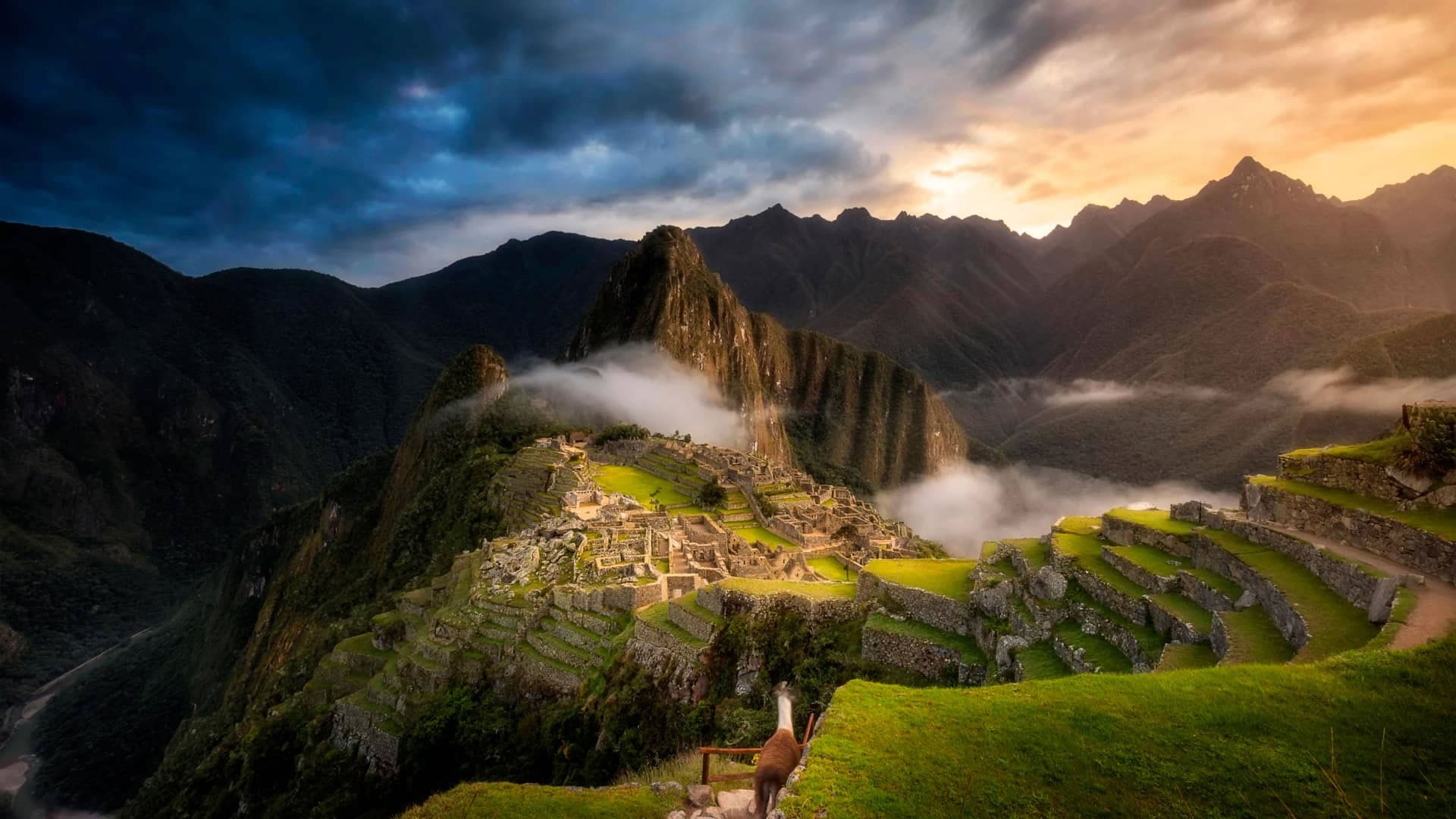
Planning a Machu Picchu adventure involves navigating a complex web of package options, each promising different inclusions and hiding various exclusions. Understanding exactly what travelers receive—and what they don't—can mean the difference between a seamless journey and costly surprises at every turn.
Standard Machu Picchu tour packages bundle several essential components that form the foundation of the experience. Most packages include round-trip train transportation from Cusco or the Sacred Valley, entrance tickets to the archaeological site, and guided tours with English-speaking professionals who provide historical context about the ancient Incan citadel.
Transportation elements typically cover train tickets, bus transfers from Aguas Calientes to Machu Picchu, and often hotel transfers within Cusco. The guided tour component ensures visitors understand the significance of what they're seeing while staying on designated paths—a requirement that has become increasingly strict as visitor numbers have grown.
Accommodation provisions vary significantly depending on package duration and class. Multi-day packages generally include hotel stays in Cusco, Aguas Calientes, or the Sacred Valley, while day trips focus solely on transportation and touring elements. Inca Rail's tour package offerings demonstrate how bundling these core elements simplifies the booking process while ensuring travelers don't miss critical components.
Train service classes dramatically impact what's included in packages. Inca Rail operates The Voyager, The 360°, and First Class services, each offering distinct amenities and comfort levels. The Voyager provides basic transportation with standard seating, while The 360° features panoramic windows that showcase Andean landscapes during the journey.
First Class passengers receive premium treatment including three-course meals, alcoholic and non-alcoholic beverages, VIP waiting room access, and priority boarding. These luxury inclusions transform transportation from mere logistics into part of the overall experience, justifying higher package costs through enhanced comfort and service.
Multi-day packages include accommodation ranging from standard tourist-class hotels to luxury properties with spa services and gourmet restaurants. Meal inclusions typically cover breakfast at hotels, with lunch and dinner provisions depending on package tier and daily activities.
Budget packages might include only breakfast, requiring travelers to purchase additional meals independently. Premium packages often feature traditional Peruvian cuisine experiences, cooking classes, or dining at renowned restaurants that showcase local ingredients and culinary techniques passed down through generations.
Licensed guides are highly recommended for Machu Picchu entry and represent a valuable package component. These professionals provide historical narratives that transform stone ruins into vivid stories of Incan engineering, astronomy, and daily life.
Quality guides offer insights beyond basic historical facts, explaining architectural techniques, pointing out astronomical alignments, and sharing lesser-known details about recent archaeological discoveries. Group sizes and guide-to-traveler ratios vary between packages, with private tours offering more personalized attention and flexibility in pacing.
International airfare to Peru and domestic flights to Cusco remain excluded from virtually all Machu Picchu packages, representing significant additional costs that travelers must budget independently. Travel insurance, while highly recommended given the adventure nature of the destination, is rarely included in standard packages.
These exclusions can add substantial expenses to the overall trip cost. International flights to Lima followed by domestic connections to Cusco can easily cost $800-1,500 per person depending on departure location and season. Travel insurance covering medical emergencies, trip cancellation, and adventure activities typically ranges from $70-350 per traveler depending on coverage and duration.
Personal expenses including tips for guides and drivers, alcoholic beverages (except in premium packages), souvenirs, and additional snacks remain traveler responsibilities. Optional activities such as Huayna Picchu mountain climbs, extra hiking expeditions, or spa treatments at luxury hotels require separate booking and payment.
Many packages extend beyond Machu Picchu to include Sacred Valley tours, Humantay Lake hikes, or Rainbow Mountain excursions, but these additions often come at premium prices. Understanding which activities are included versus optional helps travelers budget appropriately and avoid disappointment when desired experiences require additional fees.
Machu Picchu entrance tickets are personalized, non-refundable, and non-transferable, requiring advance booking 45-60 days before travel dates, especially during peak season. Each ticket specifies a particular date, time slot, and designated circuit within the archaeological site, with no re-entry permitted using the same ticket.
This strict booking system means spontaneous visits are impossible during peak season, and travelers must commit to specific dates well in advance. Package providers typically handle ticket procurement, but individual travelers bear responsibility for providing accurate passport information that must match exactly on entry day.
Visitors cannot bring large backpacks exceeding 40x35x20 cm or 5 kg weight limits into the citadel. Additional prohibited items include tripods, selfie sticks, umbrellas, drones, sharp objects, and food beyond light snacks and water bottles.
Alcoholic beverages are strictly forbidden, and smoking or vaping within the archaeological site results in immediate expulsion. These restrictions aim to preserve the site's integrity while managing visitor impact on ancient structures that have survived centuries of weathering and seismic activity.
Machu Picchu features numerous stairs of varying heights without handrails, combined with high altitude conditions that can challenge visitors' physical capabilities. The citadel sits at 7,972 feet above sea level, where reduced oxygen levels affect stamina and breathing for travelers arriving from lower elevations.
Despite recent accessibility improvements, the site remains physically demanding. Visitors must navigate uneven stone pathways, steep staircases, and potentially crowded conditions while adhering to designated circuits that prevent backtracking or extended rest periods in certain areas.
Train operators enforce strict luggage limitations that significantly impact packing strategies. Inca Rail typically allows 8 kg total weight with maximum dimensions of 118 cm, forcing travelers to leave larger bags at hotels during day trips to Machu Picchu.
This weight restriction requires careful consideration of needed items versus nice-to-have gear. Travelers should pack light layers for varying weather conditions, comfortable walking shoes with good traction, rain protection, and minimal electronic devices. Camera equipment, while allowed, should be compact and easily portable throughout extended walking periods.
Storage solutions at hotels become vital for multi-day travelers who need access to different clothing and gear depending on daily activities. Many travelers pack separate day bags specifically for train travel and citadel visits while leaving heavier items in hotel storage during Machu Picchu visits.
Successful package selection requires matching personal preferences and physical capabilities with realistic inclusions and exclusions. Budget-conscious travelers might opt for basic packages that include needed transportation and entry tickets while handling meals and optional activities independently.
Luxury seekers benefit from all-inclusive packages that eliminate decision-making stress through detailed meal plans, premium accommodations, and enhanced service levels. Family travelers should prioritize packages with flexible scheduling, appropriate physical demands for all family members, and clear guidelines about age restrictions for certain activities.
Consider package timing in relation to weather patterns, with dry season (May-September) offering clearer views but higher prices and crowds. Shoulder seasons provide balance between weather conditions and costs while potentially offering more availability for preferred tour dates and times.
The key lies in understanding exactly what each package includes versus excludes, then budgeting appropriately for additional costs while ensuring the selected option aligns with travel style, physical capabilities, and experience expectations. Visit Inca Rail's tour options to find packages that match your Machu Picchu adventure requirements.


