Millions of children in low- and middle-income countries still miss out on life-saving vaccines—often because government systems can’t reach them. From urban slums to remote villages, civil society organizations are stepping up to fill the gap.
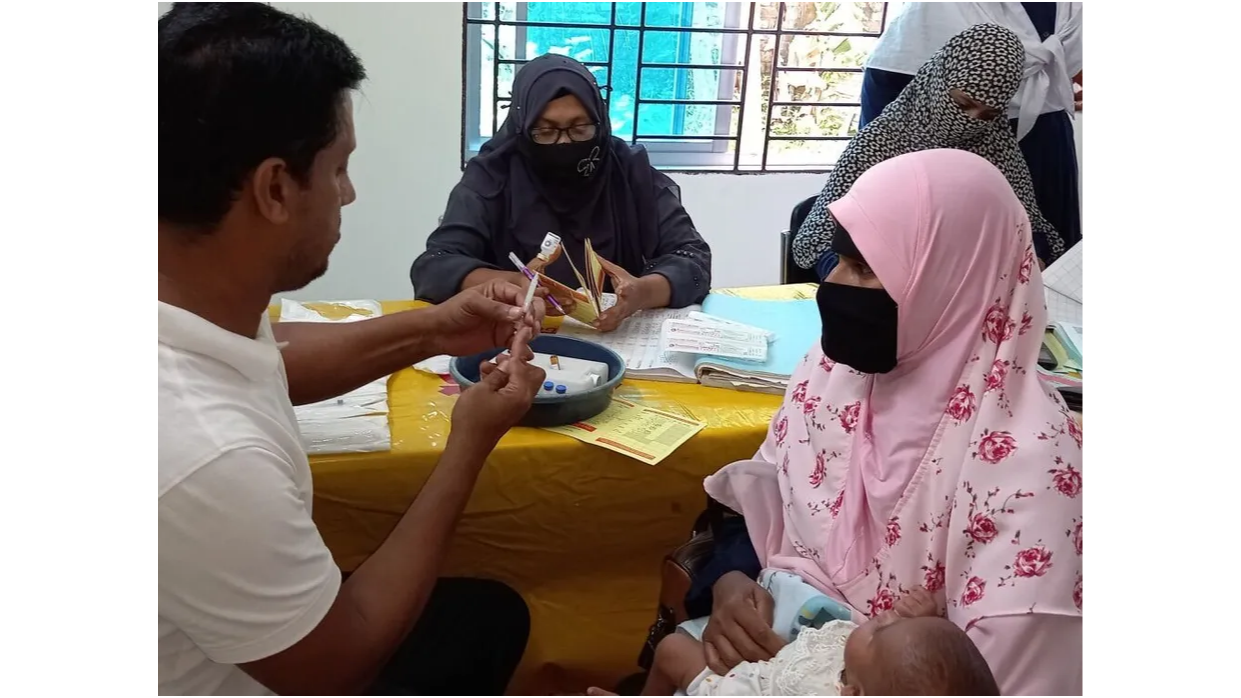
More than 14 million infants worldwide remain "zero-dose," meaning they've received no vaccines at all. These children are most likely to live in remote, conflict-affected, or marginalized areas where health systems are weakest—and where reaching them is most complex.
Despite major gains in immunization globally, most low- and middle-income countries still fall short of the 90% coverage target set by the Global Vaccine Action Plan. And when national programs stall, civil society organizations (CSOs) often become the difference between no protection and a fighting chance.
Government programs are often the backbone of national immunization—but CSOs are the arms reaching deep into the community. Faith-based organizations, local NGOs, and grassroots networks have a critical advantage: proximity and trust.
They don't just deliver services—they generate demand, combat misinformation, and build local awareness. In places where misinformation or cultural hesitancy fuels vaccine refusal, CSOs provide a vital human bridge.
Just look at Nigeria, where civil society groups worked alongside health officials to boost vaccine uptake in areas with rugged terrain and deep-rooted distrust. Or in Indore, India, where five NGOs jointly ran outreach camps and community-led education in slums—reaching a population where 60% of children had missed all vaccines. (USAID MOMENTUM, 2025; VillageReach, 2025)
Meanwhile, in Dhaka, Bangladesh, NGO-led efforts increased full immunization rates from 43% to a stunning 99% among children aged 12-23 months, using targeted screening tools and social mobilization efforts. (USAID MOMENTUM, 2025)
The COVID-19 pandemic proved what many in global health already knew: when crisis hits, civil society mobilizes fast.
In remote or underserved communities, CSOs served as educators, coordinators, and—often—first responders.
Their community credibility allowed them to calm fears, explain the science, and support rollouts long before formal systems could catch up. This wasn’t a one-time thing—it was a glimpse into what CSO-led immunization support could look like at scale.
While service delivery matters, political will determines how far and fast immunization programs go. That's why civil society also plays a critical role in advocacy—ensuring immunization stays funded, prioritized, and protected in national budgets.
In Istanbul, a new cross-continental initiative brought together 21 parliamentarians from 10 countries—including Ghana, Laos, and Madagascar—to sign a Parliamentary Call to Action on immunization financing.
Each delegation came with real plans:
Organizations like the Global Health Advocacy Incubator (GHAI) support these efforts behind the scenes—developing tools that help CSOs engage policymakers, track immunization budgets, and navigate spending bottlenecks.
By building media, civil society, and government capacity, these groups ensure advocates aren't just raising their voices—they're being heard. GHAI's immunization work, supported by Gavi, helps partners turn political commitments into real-world systems that reach those zero-dose children first.
Reaching the last child takes more than supply chains and syringes. It takes trusted community voices, flexible partnerships, and policy environments where CSOs can do what they do best.
Gavi, WHO, and UNICEF all recognize this—and the data backs it up. Since 2000, Gavi-supported immunization programs (including those driven by civil society partnerships) have contributed to a 70% reduction in vaccine-preventable deaths in supported countries.
If you're exploring how to support equity in global immunization—or curious about the strategies behind impactful vaccine advocacy—organizations like the Global Health Advocacy Incubator offer a front-row view into what works.


