As global donors reduce support, low- and middle-income countries face mounting pressure to sustain vaccine programs. Civil society organizations are stepping in—not with charity, but with advocacy that’s reshaping how nations fund immunization.
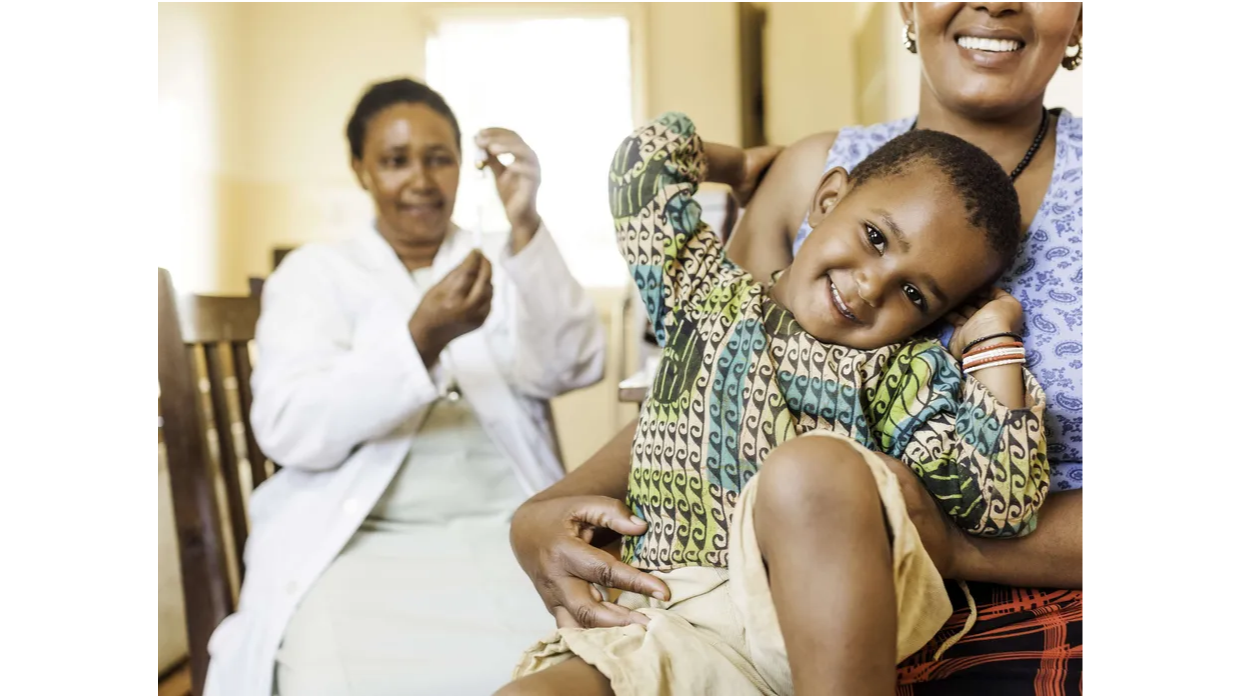
In countries like Nigeria, Madagascar, and Côte d'Ivoire, dwindling donor funding is forcing governments to confront tough questions about how to maintain and scale life-saving vaccine programs. Nigeria alone faces an annual $200 million immunization funding gap, while Madagascar's domestic contributions account for just 0.14% of its national vaccine budget. In Côte d'Ivoire, that figure sits at 14.35%.
As donor transitions accelerate, domestic public revenue—especially national government budgets—has emerged as the most sustainable source of immunization financing. Governments now finance between 50% to 67% of routine immunization costs in many countries, often leveraging public financial management systems to distribute resources equitably. Yet many nations still face policy bottlenecks, limited political will, and inconsistent funding. (Immunization Financing Resource Guide, Immunization Economics)
This is where civil society steps in, not just to fill gaps, but to build pressure, accountability, and political momentum.
Civil society organizations (CSOs) have become key players in the global immunization ecosystem. Their work spans budget advocacy, media campaigns, government spending analysis, and grassroots mobilization—each aimed at ensuring public vaccine funding is not just allocated, but used effectively.
Experts urge CSOs to ground their advocacy in hard data. During the 2025 African Vaccination Week, stakeholders emphasized the need for robust financial and epidemiological evidence to drive meaningful policy change. Partnerships across health and finance ministries, media outlets, and intergovernmental platforms were also highlighted as critical to unlocking both transparency and sustained funding.
Global efforts like Gavi's Civil Society and Community Engagement (CSCE) strategy underscore this shift, focusing on partnerships that empower CSOs to push for greater vaccine equity while amplifying community voices and holding governments accountable.
Recent milestones illustrate how quickly CSO-driven advocacy can catalyze political action. After the in April 2025—where 21 parliamentarians from Africa and Asia committed to mobilizing domestic vaccine funding—new parliamentary caucuses formed in Liberia and Madagascar. In Ghana and Laos, multi-stakeholder coalitions emerged to advocate for vaccine trust funds and stronger co-financing commitments.
CSOs often act where politicians can't. While lawmakers face institutional constraints or shifting priorities, civil society fills the gap, providing the political voice and public support needed to move legislation forward.
To make that advocacy stick, many use SMART (Specific, Measurable, Achievable, Relevant, Time-bound) objectives aligned with national health strategies. Others craft customized messaging for political, community, and media audiences while tracking spending and analyzing investment gaps.
Alternative funding models—such as national lotteries, trust funds, or earmarked taxes—have been explored, though they remain complementary rather than core funding sources. The primary focus remains on ensuring consistent public funding through government budgets.
Major summits and global partnerships continue to play a role. Gavi's 2025 Global Summit secured over $9 billion of its $11.9 billion goal for 2026-2030. But translating that into long-term domestic investment requires more than global pledges—it demands localized, persistent advocacy from actors who understand the political terrain.
"Countries must develop sustainable financing mechanisms to protect children from vaccine-preventable diseases," noted a representative from the , a nonprofit organization that supports civil society groups to advocate for public health policies that save lives and improve health. "Our strategies focus on mobilizing domestic investment and strengthening accountability systems to ensure long-term program success."
If you're exploring how civil society can influence vaccine financing consider tuning in to the "" podcast. The series features real-world stories from Nigeria, Madagascar, Côte d'Ivoire, and more, highlighting what works when it comes to sustainable immunization funding.


