As global vaccine funding shifts, many low- and middle-income countries are stepping up to finance their own immunization programs. Here’s how they’re doing it—and what others can learn from their approach.
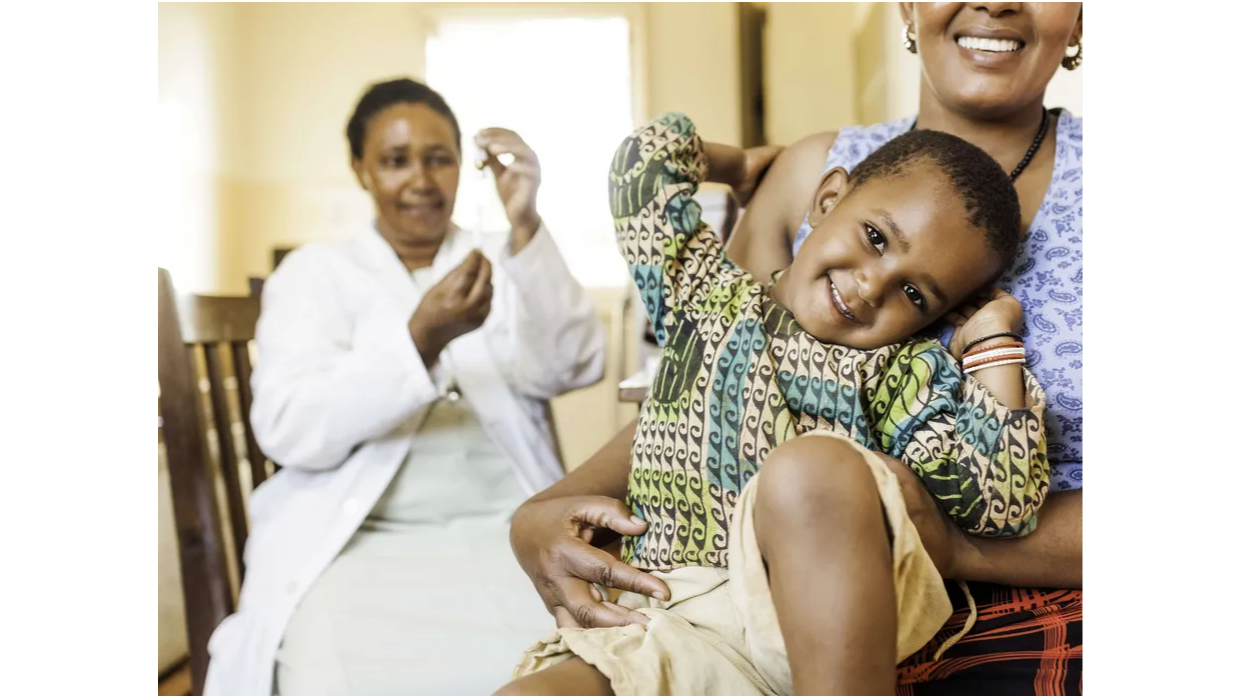
More than 14 million children worldwide still don't receive any routine vaccinations. At the same time, external funding support for vaccines is shrinking. The transition from donor-backed programs like Gavi to nationally sustained systems is underway—and for many countries, the financial gap is daunting.
According to Gavi, low-income nations contributed nearly $255 million toward immunization in 2024—a 19% increase from the previous year. But hitting the Immunization Agenda 2030 (IA2030) targets will require 3.5 times more investment, with costs projected to reach $70.8 billion across 94 countries by the end of the decade.
Across the globe, countries are facing the complex shift from donor-supported vaccination programs to fully domestically funded systems. While the challenges vary—from budget gaps to pricing inequities—what unites them is a growing wave of political will and locally driven innovation.
From municipal leadership in Madagascar to legislative action in Nigeria and cross-continental parliamentary networks, a few key patterns are emerging in how countries are .
Facing an annual shortfall of $200 million and more than 2.2 million zero-dose children, Nigeria is preparing to transition from Gavi funding by 2028. Advocates are pushing for stronger government accountability, including embedding immunization as a first-line budget charge and exploring domestic vaccine production.
In Madagascar—where only 0.14% of the immunization budget is domestically sourced—local government is stepping up. Female mayors are using grassroots advocacy to secure sustainable funding. In a country where most people live on under $2 a day, these community-driven efforts show what’s possible when leadership meets local context.
After a key forum in Istanbul, lawmakers from 10 countries pledged to champion domestic immunization funding. What followed: new health tax frameworks, strengthened budget release mechanisms, and increased public engagement. The podcast shares how parliamentary networks are shifting from policy intent to real-world impact.
The IA2030 framework stresses that domestic immunization financing must be integrated into national health systems. But what does that look like in practice? There's growing documentation—through case studies, panel discussions, and —that explores:
If you work in global health, policy development, or civil society, these kinds of insights can offer useful direction. They reflect years of on-the-ground experience, evidence-based policymaking, and localized advocacy that others can adapt to their own context.
Organizations with regional expertise—like the —often play a behind-the-scenes role in helping partners develop strategies that align with national priorities. Their support ranges from legal and political analysis to communications and coalition-building, helping to turn advocacy goals into practical reforms.


