Selling a home through Illinois probate typically takes 6-12 months and costs up to 8% of the estate value—but family disagreements and missing documentation can push timelines even longer. Here’s what executors need to know to avoid costly delays.
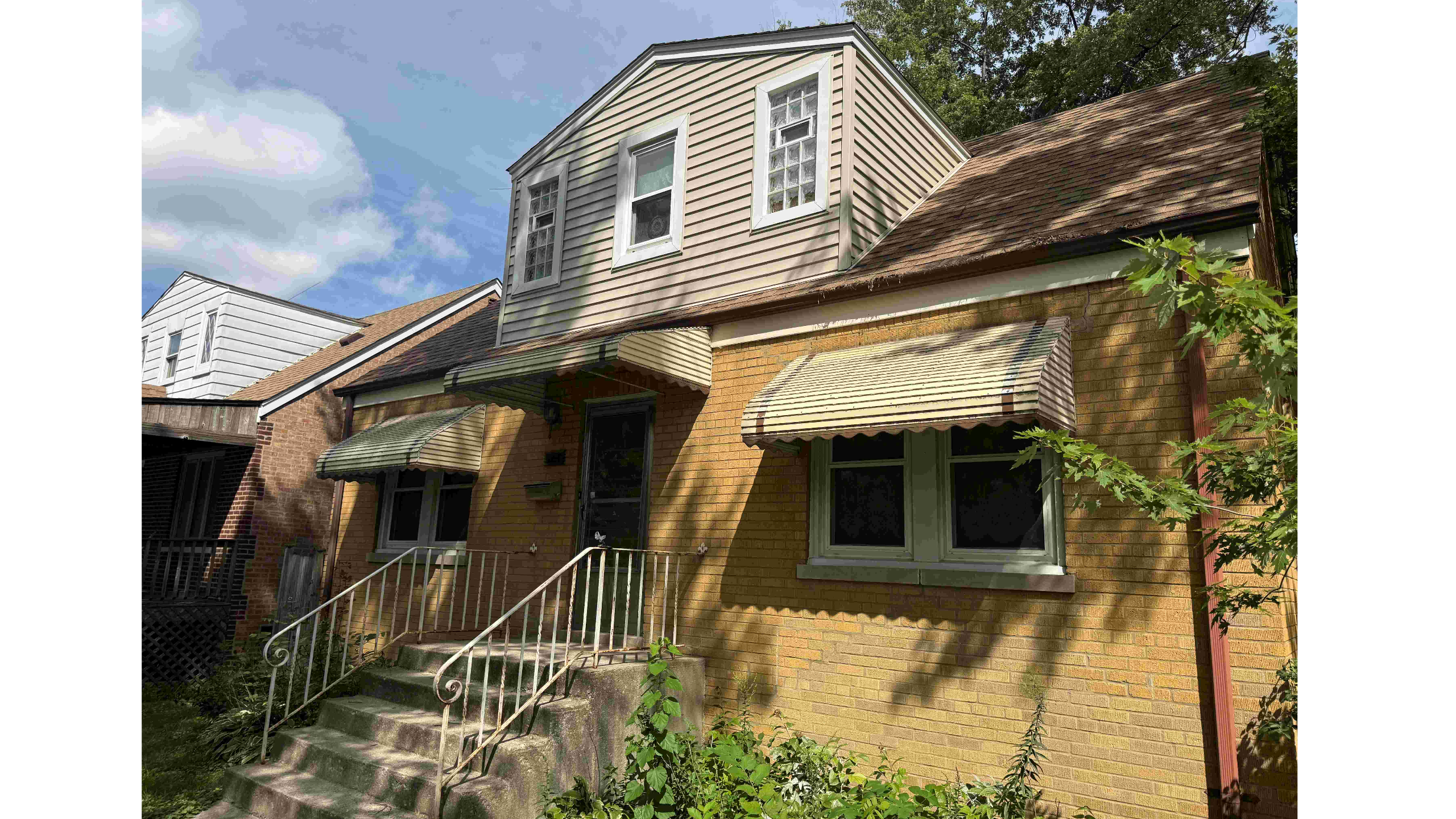
Selling a home through probate in Illinois presents unique obstacles that can overwhelm unprepared executors. Understanding the legal requirements, timeline expectations, and common pitfalls helps estate administrators manage this complex process while maximizing value for beneficiaries.
Illinois probate home sales require significantly more time than traditional real estate transactions. While typical home sales in Illinois close within 57 days, probate sales extend the timeline to 6-12 months, but can extend to 18 months or longer depending on the complexity of the estate, due to court supervision requirements and legal procedures.
The extended timeframe stems from mandatory notification periods, court approval processes, and potential family disputes. Executors must allow time for creditor notifications, beneficiary communications, and judicial review of all sale terms. These requirements protect estate interests but create unavoidable delays.
Estate costs in Illinois typically consume 4-8% of the total estate value. These expenses include court filing fees, executor compensation, professional appraisals, legal fees, and standard closing costs. Braddock Investment Group specializes in helping executors manage these challenges while minimizing costs and delays.
The executor holds primary responsibility for managing estate assets and must obtain court approval before selling property. This authority stems from the court appointment process, which grants specific powers to handle estate transactions. Illinois probate laws require executors to perform specific obligations and carefully manage the sale procedure.
Court approval protects beneficiary interests and ensures compliance with state regulations. Executors cannot proceed with property sales without this authorization, regardless of will provisions or family agreements. The court reviews sale terms, pricing, and distribution plans before granting permission.
Illinois offers two probate pathways depending on estate value and complexity. Formal probate applies to estates worth more than $100,000 or those including real estate, requiring court supervision and documentation. This process involves detailed court oversight of property sales.
Simplified probate, available for estates under $100,000 without real estate, allows streamlined procedures through Small Estate Affidavit processes. If the estate includes real estate, formal probate is generally required, regardless of the estate's total value.
The probate process begins when executors file the original will with the Circuit Clerk in the county where the deceased resided. This initial step triggers court supervision and establishes legal authority for estate administration. Filing must occur promptly after death to avoid complications.
Required documentation includes the death certificate, original will, and petition for probate. The court reviews these materials to verify will validity and executor qualifications before proceeding with appointments.
Following will verification, the court appoints the executor as estate administrator with legal authority to manage assets. This appointment includes specific powers and responsibilities outlined in official court orders. The administrator must then arrange professional property appraisals to establish fair market value.
Property appraisals provide essential documentation for court proceedings. Residential real estate appraisals typically range from $400 to $700, with additional fees for complex or commercial properties. These valuations protect estate interests and establish baseline pricing for potential sales.
Executors hire real estate agents and begin marketing the property once court approval is obtained. Buyers submit offers with 10% earnest money deposits, demonstrating serious purchase intent. All offers require court review before acceptance.
Marketing strategies should highlight property potential while disclosing as-is condition requirements. Professional agents experienced in probate sales understand these unique marketing challenges and disclosure obligations.
The executor petitions the court to review all submitted offers, leading to a courthouse meeting where buyers present their proposals. This process resembles an auction format, allowing buyers to outbid each other under judicial supervision. The winning bidder signs a contract without contingencies and pays the full purchase price at closing.
Court oversight ensures fair pricing and protects beneficiary interests throughout the sale process. This supervision, while protective, extends closing timelines compared to traditional real estate transactions.
Family conflicts represent the most frequent cause of probate sale delays. Disagreements among beneficiaries over property sales can complicate the probate process, requiring mediation from estate experts or legal intervention. These disputes often center on pricing decisions, sale timing, or distribution arrangements.
Executors should schedule regular family meetings with neutral mediators to address concerns early. Open communication and transparent decision-making help prevent minor disagreements from escalating into costly legal battles.
Common pitfalls in probate real estate include neglecting to obtain required judicial approval, which can cause significant legal problems and transaction delays. Executors must maintain detailed records of all court orders and ensure compliance with specific approval requirements.
Missing documentation can void sale contracts and restart the entire approval process. Working with experienced probate attorneys helps identify required paperwork and ensures proper filing procedures.
Probate properties typically sell in as-is condition, meaning buyers accept the property without repairs or improvements. This requirement can limit buyer pools and affect sale prices, particularly for properties needing significant maintenance.
Estate funds cannot typically cover property improvements, as these expenses reduce beneficiary inheritance amounts. Executors should price properties appropriately to reflect as-is conditions while remaining competitive in local markets.
Illinois probate proceedings include mandatory court filing fees ranging from $250-$500, depending on the county. In Cook County, the filing fee is $479. Additional fixed costs include newspaper notifications ($100-$300) and certified mail expenses for beneficiary communications. These expenses represent unavoidable baseline costs for all probate sales.
Court filing fees initiate the probate process and cannot be reduced or waived. Executors should budget for these expenses early in the administration process to ensure adequate estate liquidity.
Illinois uses reasonable compensation standards for executor fees, based on factors like time, effort, and estate complexity. While some attorneys charge a percentage of the estate (typically between 2% and 5%), executor fees are generally based on hourly rates approved by the court. Professional costs include attorney fees, appraisal expenses, and real estate agent commissions that vary based on property values and market conditions.
A probate bond may be required, acting as insurance against executor misconduct, with the cost a percentage of the estate value. The requirement can be waived in the will. These variable costs can significantly impact estate distribution amounts, making cost management essential for maximizing beneficiary inheritance.
Working with probate real estate specialists streamlines the complex sale process and helps avoid common pitfalls that cause delays. These professionals understand Illinois probate laws, court procedures, and documentation requirements that general real estate agents might overlook.
Certified Probate Real Estate Specialists (CPRES) bring specialized knowledge of probate transactions, including court approval processes, family mediation techniques, and as-is property marketing strategies. Their expertise helps executors manage legal requirements while maintaining competitive sale timelines.
Experienced probate specialists also maintain relationships with estate attorneys, appraisers, and other professionals essential for smooth transactions. These professional networks can accelerate court approvals and reduce administrative delays that commonly plague probate sales.
For executors seeking expert guidance through Illinois probate real estate challenges, Braddock Investment Group Inc provides specialized probate property solutions and professional support throughout the entire sales process.


