Discover how water-based treatments reduce pain, improve circulation, and decrease stress. From hot tubs to contrast therapy, hydrotherapy offers scientifically-proven benefits for arthritis, fibromyalgia, and joint mobility—all while creating a soothing escape for your mind and body.
Hydrotherapy stands as one of the oldest healing methods in human history. What makes this water-based therapy so effective isn't just its soothing comfort—it's the science-backed physiological responses it triggers in our bodies. From relieving chronic pain to enhancing mental well-being, hydrotherapy works on multiple levels to restore balance and promote healing.
The medical community defines hydrotherapy as a complementary therapy that uses water's physical properties to produce therapeutic effects. While not a standard treatment for any disease, research increasingly supports its effectiveness when integrated into comprehensive treatment plans.
Immersion therapies involve submerging part or all of your body in water. These are perhaps the most accessible forms of hydrotherapy and can be performed both at specialized facilities and in your own home.
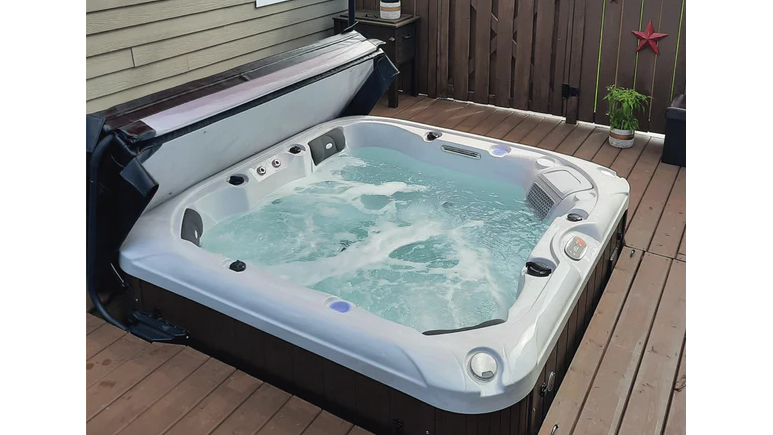
Hot tubs and whirlpool spas combine the benefits of warm water immersion with the therapeutic effects of massaging jets. "The directed pressure from these jets helps stimulate circulation and relieve muscle tension in specific areas," explains Collective Relaxation, a retailer of home wellness equipment. "This combination makes hot tubs particularly effective for addressing chronic pain conditions and promoting recovery after physical exertion."
Warm baths, a simpler form of immersion therapy, have been shown to reduce stress hormones and improve mood. For enhanced benefits, therapeutic additives like Epsom salts (magnesium sulfate) can help reduce inflammation and ease muscle soreness. Essential oils can also be incorporated for aromatherapeutic effects.
Sitz baths, where only the hips and buttocks are immersed, target pelvic region discomfort and are particularly helpful for hemorrhoids, postpartum recovery, and certain inflammatory conditions.
Aquatic exercise harnesses water's unique properties to create an ideal environment for rehabilitation and fitness. The buoyancy of water reduces joint stress by supporting up to 90% of body weight, allowing individuals with mobility issues to perform exercises that would be painful or impossible on land.
Water also provides natural resistance in all directions, strengthening muscles more effectively than many land-based exercises. This resistance can be adjusted simply by changing movement speed—faster movements encounter greater resistance.
Common forms of aquatic exercise therapy include:
For those recovering from injuries or surgery, aquatic therapy provides a safe environment to rebuild strength and restore range of motion without risking further damage.
Contrast therapy alternates between hot and cold water treatments to create a "pumping" action in the body's circulatory system. When exposed to heat, blood vessels dilate (vasodilation), increasing blood flow to tissues. Cold exposure causes vessels to constrict (vasoconstriction), reducing blood flow. Alternating between these states creates a pumping effect that can help flush metabolic waste from tissues and bring fresh, oxygen-rich blood to areas needing healing.
This therapy is particularly popular among athletes for recovery after intense training. A typical contrast therapy session might involve:
While full-body contrast therapy requires specialized facilities, localized contrast therapy can be performed at home using hot and cold packs or by alternating hot and cold water in the shower.
Beyond the more common forms of hydrotherapy are specialized applications designed to target specific conditions:
Many of these specialized treatments are administered by trained professionals in clinical settings, though simplified versions can sometimes be adapted for home use.
Pain relief is perhaps the most well-documented benefit of hydrotherapy. Research has consistently shown that hydrotherapy can significantly reduce pain across a variety of conditions. A comprehensive review published in the Journal of Musculoskeletal Research found that spa therapy with warm water had significant pain-relieving effects for people with chronic musculoskeletal disorders.
How does hydrotherapy combat pain? Several mechanisms work together:
For conditions like fibromyalgia, which involves widespread pain throughout the body, regular hydrotherapy sessions have been shown to provide meaningful relief without the side effects associated with many pain medications.
Hydrotherapy excels at enhancing blood flow throughout the body. The hydrostatic pressure of water—the pressure exerted on a body immersed in fluid—creates a gentle compression effect on tissues. This compression helps move blood and lymph more effectively through the body, reducing swelling and delivering oxygen and nutrients to tissues more efficiently.
Warm water applications cause blood vessels to dilate, increasing blood flow to muscles and other tissues. This enhanced circulation helps:
The muscle relaxation effects of hydrotherapy are equally important. Warm water therapy reduces muscle guarding—the body's protective tensing around painful areas—allowing for greater mobility and comfort. For people with chronic muscle tension or spasm disorders, regular hydrotherapy can provide significant relief and improved function.
Beyond its physical benefits, hydrotherapy offers profound mental health advantages that have been supported by scientific research. The Centers for Disease Control and Prevention (CDC) acknowledges that water-based activities improve mental health in various populations. For people with conditions like fibromyalgia, studies have demonstrated that aquatic exercise therapy significantly reduces anxiety and depression levels.
Water immersion triggers several neurochemical responses that positively affect mood and stress levels:
The sensory experience of hydrotherapy also provides a form of mindfulness meditation. The sensation of water against the skin, the sound of flowing water, and the visual calm of a water environment naturally draw attention to the present moment, helping to break cycles of rumination and worry.
One study published in the International Journal of Stress Management found that just 20 minutes of warm water immersion significantly reduced anxiety levels and improved mood in participants with diagnosed anxiety disorders.
For people with joint conditions, improving mobility can dramatically enhance quality of life. Hydrotherapy creates an ideal environment for increasing joint range of motion and flexibility for several reasons:
Research specifically focused on arthritis has shown impressive results. A study published in the Journal of Advanced Nursing found that participants with osteoarthritis who engaged in hydrotherapy twice weekly for 6 weeks showed significant improvements in joint mobility, pain levels, and quality of life compared to a control group.
Even for those without diagnosed joint conditions, regular hydrotherapy can help maintain flexibility and prevent the stiffness that often comes with aging or sedentary lifestyles.
Hydrotherapy represents one of the most versatile and accessible therapeutic approaches available today. From managing chronic pain to enhancing athletic performance, its applications span the entire wellness spectrum. The beauty of hydrotherapy lies in its adaptability—treatments can be customized to address specific conditions and adjusted as needs change over time.
As research continues to validate traditional hydrotherapy practices and uncover new applications, integration of water therapy into mainstream healthcare continues to grow. Whether you're managing a chronic condition, recovering from injury, or simply seeking to enhance your overall well-being, hydrotherapy offers evidence-based benefits with minimal risk when properly applied.
Remember that hydrotherapy works best as part of a comprehensive approach to health. When combined with appropriate medical care, nutrition, exercise, and stress management, hydrotherapy can significantly enhance quality of life and functional capacity.
Collective Relaxation explains the differences between spas and other vessels for those who would prefer other means, like hot tubs, to benefit from hydrotherapy.


