Did you know your skin loses most of its natural hyaluronic acid by your 40s? While everyone talks about HA’s hydrating powers, the breakthrough isn’t just about moisture—it’s about how different molecular weights target specific skin layers for maximum anti-aging impact.
The skincare industry continues to evolve, but one ingredient has maintained its position as the gold standard for hydration: hyaluronic acid. As research advances and formulation technologies improve, this remarkable molecule remains at the forefront of effective skincare solutions in 2025.
Hyaluronic acid stands as nature's most efficient moisture magnet. This naturally occurring polysaccharide possesses an extraordinary ability to attract and retain water molecules, binding substantial amounts of moisture. The secret lies in its unique molecular structure—long chains of sugar molecules that create spaces where water can bind and remain trapped.
This moisture-binding capacity transforms how skin looks and feels. When hyaluronic acid molecules absorb water, they expand and create a plumping effect that smooths fine lines and restores the skin's natural dewiness. The molecule's humectant properties draw moisture from the surrounding environment and deeper skin layers, creating a reservoir of hydration that lasts throughout the day.
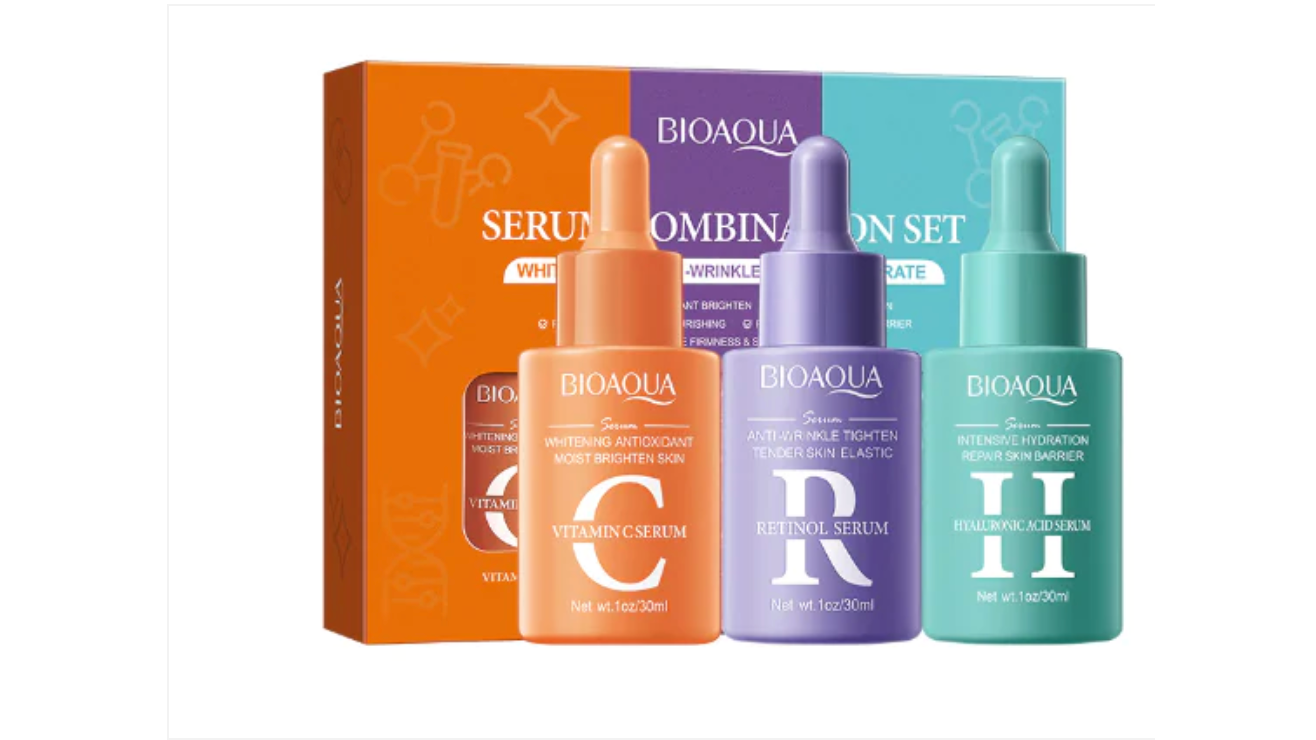
Unlike traditional moisturizers that sit on the skin's surface, hyaluronic acid works at a molecular level to repair and maintain the skin's natural moisture barrier. Advanced formulations like the BIOAQUA A-Hyaluronic Acid Face Serum combine multiple molecular weights to maximize this moisture-binding potential across all skin layers.
Modern skincare has evolved beyond simple hyaluronic acid to include Multi-Molecular Hyaluronic Acid (MMHA) formulations. These sophisticated blends combine different molecular weights to create hydration that reaches every level of the skin structure.
Low molecular weight hyaluronic acid, typically under 50 kilodaltons (a unit of molecular mass), possesses the unique ability to penetrate through the skin's barrier and reach deeper dermal layers. This smaller molecule size allows it to travel between skin cells, delivering intense hydration where it's needed most. The result is long-lasting moisture that supports cellular function and promotes skin repair from within.
Research demonstrates that low molecular weight HA stimulates collagen production and improves skin elasticity at the cellular level. By hydrating the deeper skin layers, it creates a foundation for healthy skin that reflects outward as improved texture and resilience.
High molecular weight hyaluronic acid, ranging from 1,000 to 1,800 kilodaltons, works primarily on the skin's surface. These larger molecules cannot penetrate deeply but excel at creating an immediate smoothing and plumping effect. They form a protective moisture film that reduces trans-epidermal water loss while providing instant visual improvement.
This surface-level hydration offers immediate gratification—fine lines appear diminished, skin feels softer, and the complexion gains a healthy glow. The temporary plumping effect makes high molecular weight HA particularly valuable for addressing visible signs of aging.
Multi-Molecular Hyaluronic Acid formulations represent the pinnacle of hydration technology. By combining various molecular weights, these products provide both immediate surface benefits and long-term deep hydration. The synergistic effect ensures that every skin layer receives appropriate moisture levels, creating optimal conditions for skin health and appearance.
MMHA technology addresses the limitations of single-weight formulations, delivering results that satisfy both immediate cosmetic needs and long-term skin health goals.
Scientific research reveals a concerning truth about aging: our skin's natural hyaluronic acid production declines significantly over time. Understanding this process helps explain why supplemental HA products become increasingly beneficial as we age.
Clinical studies demonstrate that hyaluronic acid levels in the skin decrease substantially with age. By the time we reach our 40s, our skin contains significantly less HA than it did in our 20s. This decline contributes directly to the visible signs of aging: increased dryness, loss of elasticity, and the formation of fine lines and wrinkles.
The reduction in natural HA production also compromises the skin's ability to maintain its moisture barrier. This leads to increased trans-epidermal water loss, making the skin more susceptible to environmental damage and accelerating the aging process.
Research consistently shows that topical hyaluronic acid applications can effectively restore barrier function and improve skin hydration levels. Clinical trials demonstrate significant improvements in skin moisture content, elasticity, and overall appearance after regular use of HA-containing products.
The restoration of barrier function is particularly important for mature skin. When the moisture barrier operates effectively, it protects against environmental stressors while maintaining optimal hydration levels. This creates an environment where skin cells can function properly, supporting natural repair and regeneration processes.
The effectiveness of hyaluronic acid depends significantly on proper concentration and formulation. Understanding optimal levels helps consumers make informed choices about their skincare products.
Clinical research indicates that hyaluronic acid concentrations between 0.1% and 2% can provide effective results for most applications, though the ideal concentration depends on the specific product and desired effect. Lower concentrations (0.1% to 0.5%) work well for daily maintenance and sensitive skin, while higher concentrations (1% to 2%) deliver more intensive hydration for severely dry or mature skin.
The key is matching concentration to skin needs and product type. Serums typically contain higher concentrations for targeted treatment, while moisturizers may use lower levels as part of a formula. Effective formulations balance concentration with penetration enhancers and complementary ingredients.
One of hyaluronic acid's greatest advantages is its general compatibility across most skin types. Unlike many active ingredients that may cause irritation or adverse reactions in certain skin types, HA is typically well-tolerated by most people.
For oily skin, hyaluronic acid provides hydration without adding greasiness or clogging pores. Dry skin benefits from its intensive moisture-binding properties, while combination skin appreciates its ability to balance hydration needs across different facial zones. Most sensitive skin types tolerate HA well, as it's a naturally occurring substance that rarely triggers inflammatory responses. However, those with very sensitive skin should perform a patch test before widespread use.
The applications of hyaluronic acid extend far beyond basic topical skincare. Advanced treatments and strategic combinations offer benefits for skin improvement.
Injectable hyaluronic acid treatments, known as skin boosters, represent the cutting edge of professional skincare. These treatments deliver HA directly into the dermis, where they provide deep, long-lasting hydration and stimulate collagen production.
Clinical studies show that skin booster treatments improve skin quality by increasing moisture levels, promoting elasticity, and creating a healthy glow that lasts for months. The injectable approach bypasses the skin barrier entirely, ensuring maximum penetration and effectiveness.
Combining hyaluronic acid with other active ingredients can amplify benefits, but requires careful consideration of application timing and formulation compatibility. Vitamin C pairs excellently with HA, as the antioxidant properties of vitamin C complement the hydrating effects of hyaluronic acid.
Retinol combinations require more careful management. While the moisture-binding properties of HA can help offset the drying effects of retinol, the timing of application matters. Many dermatologists recommend applying hyaluronic acid first to create a hydrating base, followed by retinol products. This careful application helps minimize potential irritation.
Beyond cosmetic applications, hyaluronic acid demonstrates significant wound healing properties. Research shows that both high and low molecular weight HA play different roles in accelerating healing by reducing inflammation and encouraging angiogenesis—the formation of new blood vessels that support tissue repair.
These healing properties make hyaluronic acid particularly valuable for compromised skin conditions, including eczema and other inflammatory skin disorders. The anti-inflammatory effects help calm irritation while the moisture-binding properties support barrier repair.
As skincare technology advances and new ingredients emerge, hyaluronic acid maintains its position as a vital component of effective hydration solutions. Its proven track record, general compatibility, and versatile applications ensure its continued relevance in modern skincare routines.
The evolution of HA formulations—from simple single-weight solutions to sophisticated MMHA blends—demonstrates the ingredient's adaptability to advancing skincare needs. Combined with its excellent safety profile and consistent clinical results, hyaluronic acid represents a reliable foundation for any hydration-focused skincare regimen.
The scientific evidence supporting hyaluronic acid's moisture-binding capabilities, combined with its proven anti-aging benefits, positions it as an indispensable ingredient for anyone seeking effective skincare solutions in 2025 and beyond.
Find advanced skincare solutions and expert beauty insights at Profiler Digital, where cutting-edge formulations meet proven skincare science.


