You know that $200 annual HVAC tune-up you keep putting off? It could be the difference between a smoothly running system and a $3,000 compressor replacement. But here’s what most homeowners don’t realize about the true math behind maintenance timing.
When homeowners consider HVAC maintenance costs, they often focus on the immediate expense rather than the long-term financial impact. The reality is that strategic, regular servicing transforms from a cost center into a powerful savings strategy that can literally save thousands over your system's lifetime.
Energy efficiency becomes the foundation of HVAC cost savings, and the numbers tell a compelling story. According to the U.S. Department of Energy, a well-maintained HVAC system can reduce energy bills by up to 30%. This efficiency improvement stems from clean components working in harmony rather than fighting against accumulated dirt, debris, and wear.
Studies consistently show that neglected HVAC units consume 15-25% more energy than properly maintained systems. This energy waste translates directly to higher utility bills month after month. A system that should cost $150 monthly to operate might actually cost $190 due to poor maintenance—that's $480 in unnecessary expenses annually.
The efficiency gap widens over time as components degrade without proper care. Professional HVAC maintenance ensures systems maintain peak efficiency through systematic cleaning, calibration, and component optimization that keeps energy consumption at designed levels.
Understanding maintenance return on investment requires examining both immediate costs and long-term financial benefits. Industry data reveals that every $1 spent on planned HVAC maintenance saves an estimated $3-5 in repair costs over time, creating a compelling financial argument for regular service.
Annual professional maintenance typically costs between $175-350, depending on system complexity and regional pricing. This investment covers system inspection, cleaning, and minor adjustments that prevent major failures. Emergency repairs, however, range from $300 for minor fixes to $3,000 for significant component replacements.
Compressor failures exemplify this cost differential dramatically. Neglected maintenance can lead to compressor failure costing $1,200-3,000 to repair—potentially ten times the annual maintenance investment. Regular refrigerant level checks, electrical connection inspections, and coil cleaning prevent these catastrophic failures.
Complete HVAC system replacement represents the ultimate maintenance failure cost. Residential systems typically cost $5,540-10,980 to replace, while commercial systems can require $500-2,000 yearly in maintenance costs. Annual maintenance represents less than 5-10% of replacement costs, making it an incredibly cost-effective insurance policy.
The financial mathematics strongly favor maintenance. A homeowner spending $200 annually on maintenance over 15 years invests $3,000 to protect a $7,500 system. Without maintenance, that same system might require replacement after just 10-12 years, doubling the total cost of home comfort.
Perhaps the most impressive statistic supporting regular maintenance comes from industry research showing that consistent service significantly reduces breakdown risk. This dramatic risk reduction stems from early problem detection and prevention before issues become failures.
Research indicates that a substantial percentage of HVAC repairs link directly to maintenance neglect. Components that receive regular attention rarely fail unexpectedly. Instead, trained technicians identify wear patterns, loose connections, and efficiency degradation during routine visits, addressing problems before they cause system failures.
Timing HVAC maintenance strategically maximizes both system performance and cost savings. The twice-yearly schedule aligns service with seasonal demands, ensuring systems operate at peak efficiency when homeowners need them most.
Spring maintenance prepares air conditioning systems for summer's demanding workload. This service focuses on refrigerant levels, electrical connections, and condenser coil cleaning. Technicians also inspect belts, lubricate motors, and calibrate thermostats for optimal cooling performance.
Spring service prevents mid-summer breakdowns when repair costs spike due to high demand. Emergency service calls during peak cooling season often carry premium pricing and longer wait times. Proactive spring maintenance eliminates these scenarios while ensuring maximum efficiency during expensive summer months.
Fall maintenance transitions systems from cooling to heating mode, addressing heat exchanger inspection, burner cleaning, and safety system testing. This service becomes particularly critical for gas furnaces, where safety and efficiency intersect. Carbon monoxide testing, flue inspection, and combustion analysis ensure safe operation throughout winter.
Heating system failures during winter create emergency situations requiring immediate, expensive repairs. Fall maintenance identifies potential problems before cold weather arrives, allowing for planned repairs during off-season periods when parts and labor costs remain reasonable.
System longevity represents one of maintenance's most significant financial benefits. HVAC systems typically last 15-25 years with proper maintenance, while neglected units often fail after just 10-15 years. This lifespan difference translates to substantial cost savings and fewer replacement cycles.
Air filter maintenance illustrates how simple neglect creates cascading efficiency problems. Dirty filters restrict airflow, forcing systems to work harder and consume up to 15% more energy. This restriction also causes uneven temperatures, reduced comfort, and increased wear on blower motors.
Clogged filters create additional problems beyond energy waste. Restricted airflow can cause evaporator coils to freeze, leading to expensive repairs and system downtime. Regular filter changes—typically every 1-3 months—prevent these issues while maintaining optimal indoor air quality.
The connection between maintenance neglect and repair needs becomes clear through industry statistics. Research shows that a significant percentage of HVAC repairs result from preventable maintenance issues. Dirty coils, loose electrical connections, low refrigerant levels, and worn belts cause the majority of system failures.
Component failures often create domino effects throughout HVAC systems. A failing blower motor forces the system to work harder, stressing other components. Dirty condenser coils cause compressors to overheat, leading to expensive failures. Regular maintenance breaks these failure chains before they begin.
Professional HVAC maintenance includes system inspection and optimization that goes far beyond basic cleaning. Understanding service components helps homeowners appreciate the value of professional expertise and specialized tools required for thorough maintenance.
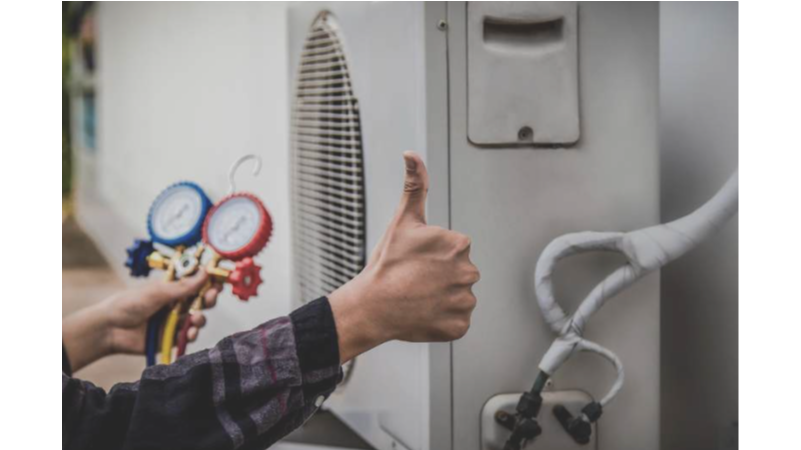
Refrigerant system inspection requires specialized gauges and training to measure pressures, identify leaks, and ensure optimal performance. Technicians check refrigerant levels, inspect lines for damage, and test system pressures under various operating conditions. Low refrigerant levels reduce efficiency and can damage compressors.
Electrical system inspection covers all connections, contactors, capacitors, and control circuits. Loose connections create heat, leading to component failure and potential fire hazards. Technicians tighten connections, test electrical components, and verify proper system operation through all cycles.
Condenser and evaporator coil cleaning requires specialized equipment and cleaning solutions to remove dirt, debris, and biological growth. Clean coils transfer heat efficiently, while dirty coils force systems to work harder and consume more energy. Professional cleaning restores designed heat transfer rates.
Component lubrication focuses on motors, bearings, and moving parts that require specific lubricants applied in precise quantities. Over-lubrication can attract dirt, while under-lubrication causes premature wear. Professional technicians understand lubrication requirements for each component type.
Diagnostic testing identifies developing problems before they cause failures. Technicians measure system performance against manufacturer specifications, identifying efficiency degradation and component wear patterns. This testing includes temperature differential measurements, airflow assessment, and combustion analysis for heating systems.
Early detection allows for planned repairs during off-season periods when parts availability and scheduling flexibility reduce costs. Problems identified during maintenance visits can often be addressed immediately with common repair parts, preventing future service calls and system downtime.
The financial case for regular HVAC maintenance becomes overwhelming when considering energy savings, repair prevention, and extended system life. Homeowners who invest in twice-yearly professional service typically save thousands of dollars over their system's lifetime while enjoying consistent comfort and reliability.
Smart homeowners recognize that HVAC maintenance transforms from an expense into an investment with measurable returns. The combination of reduced energy bills, fewer repairs, and extended equipment life creates savings that far exceed maintenance costs. Professional service also provides peace of mind through improved reliability and safety.
Starting a maintenance program immediately begins generating savings, regardless of system age or current condition. Even older systems benefit from professional attention, often surprising homeowners with improved performance and extended life. The key lies in establishing consistent service relationships with qualified professionals who understand system optimization.


