Post-workout muscle recovery goes beyond stretching and protein shakes. A proper sauna routine can reduce soreness, improve circulation, and speed up your body’s natural repair process. Learn the timing, temperatures, and techniques that actually work.
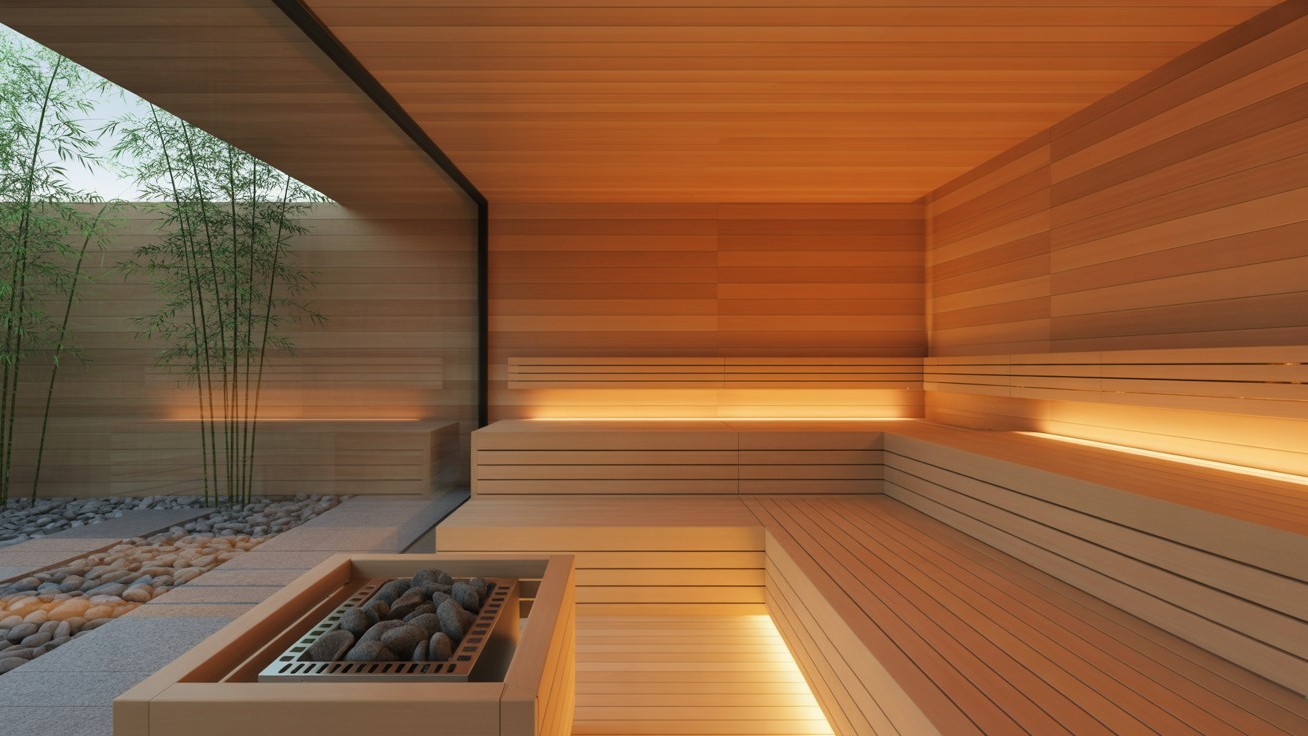
Your muscles are screaming because you just finished a brutal leg day, and the stairs in your house have become your enemy. You foam rolled, stretched, and drank your protein shake like a good athlete, but tomorrow you already know you'll walk like a baby deer learning to stand.
Here's something that might help more than you'd expect: heat.
Saunas have been part of athletic recovery for decades, but most people use them wrong - they sit in there scrolling their phones, hop out whenever they feel like it, and wonder why they don't notice much difference. The truth is that sauna use for muscle recovery follows actual principles, and if you get them right, you'll feel the difference in how quickly your body bounces back.
When you train hard, you create micro-tears in your muscle fibers, which is the whole point since your body repairs these tears and builds back stronger. But this repair process needs good blood flow to deliver nutrients and clear out metabolic waste.
Heat makes your blood vessels dilate, your heart rate increases, and blood flow to your muscles jumps significantly. This isn't just a nice warm feeling - it's your circulatory system kicking into higher gear.
Studies on athletes have shown that regular sauna use can reduce delayed onset muscle soreness (DOMS) and help maintain performance during heavy training blocks, while Finnish researchers found that sauna bathing after exercise improved recovery markers in endurance athletes. The heat also triggers the release of heat shock proteins, which help repair damaged cells and reduce inflammation.
But here's what most people miss: the benefits depend heavily on how you use the sauna, not just that you use one.
The question of when to sauna after a workout trips up a lot of athletes because jumping in too soon adds stress to an already stressed system, while waiting too long means you might miss the optimal window for enhanced recovery.
Give your body at least 30 minutes after training before you step into the heat, as this lets your core temperature start dropping naturally and gives your heart rate time to settle. If you've done an especially intense session, waiting 1-2 hours works even better.
Some athletes prefer morning saunas on rest days rather than post-workout sessions, and this approach still delivers circulation benefits without stacking additional stress on training days. Evening sessions can also improve sleep quality, which remains one of the most underrated recovery tools available.
Not all saunas work the same way, and your approach should match the type you're using.
These high-heat environments create intense cardiovascular stress, so you should keep your sessions between 15-20 minutes for recovery purposes. You can do multiple rounds with cool-down breaks in between, but each individual session should stay relatively short.
Start at the lower end if you're new to sauna use, and sitting on a lower bench also means slightly cooler temperatures since heat rises.
The lower temperatures of infrared saunas allow for longer sessions - typically 30-40 minutes - and the heat penetrates differently, warming your body directly rather than heating the air around you. Many athletes find these more tolerable for regular use, especially when they're already fatigued from training.
Your body will tell you when enough is enough, so watch for dizziness, nausea, or an irregular heartbeat. Feeling uncomfortably hot rather than pleasantly warm means it's time to exit, and recovery should feel restorative rather than like another workout.
You will sweat a lot, and a single sauna session can pull anywhere from half a pint to a full pint of fluid from your body. If you're already slightly dehydrated from training, this compounds the problem fast.
Drink 16-20 ounces of water in the hour before your sauna session, bring water in with you and sip throughout, then after you finish, replace fluids with water or an electrolyte drink. Some athletes weigh themselves before and after to track exactly how much fluid they lost.
Skipping this step doesn't just reduce the recovery benefits - it can actually make your muscle soreness worse and extend your recovery time significantly.
How often should you sauna? The answer depends on your training schedule and how your body responds.
Most athletes see good results with 3-4 sessions per week, as this provides enough exposure to trigger adaptation without overdoing the heat stress. During heavy training blocks some back off to 2 sessions weekly, while during deload weeks or lighter phases daily use becomes more practical.
Pay attention to how you feel, because if sauna sessions leave you feeling drained rather than restored, you're probably doing too much and the goal is enhanced recovery rather than additional fatigue.
Many athletes now combine sauna use with cold plunge or cold showers in what's called contrast therapy, and the alternation between heat and cold creates a pumping action in your blood vessels that may enhance circulation benefits.
A typical contrast protocol looks like this: 15-20 minutes in the sauna followed by 2-3 minutes of cold exposure, then back to heat if desired. The cold doesn't need to be extreme since even a cool shower provides some contrast effect.
This approach isn't for everyone, as some athletes respond better to heat alone while others swear by the contrast method, so experiment to see what works for your body.
Recovery is personal, and what helps one athlete might not suit another. The principles above give you a starting point, but you'll need to adjust based on your sport, your training load, and how your body responds.
Some people do well with quick daily sessions while others prefer longer sessions a few times per week, and some love the intense heat of traditional saunas while others find infrared more comfortable and sustainable.
The best routine is one you'll actually stick with, because consistency beats perfection here and a moderate sauna habit maintained over months delivers more than an aggressive protocol you abandon after two weeks.
If you're considering adding a sauna to your home setup, resources from recovery equipment specialists can help you compare options and find what matches your space, budget, and goals.
Wait at least 30 minutes after training before entering a sauna, as this gives your body time to begin its natural cool-down process. After very intense sessions waiting 1-2 hours works better, and jumping in immediately adds heat stress when your system is already working hard to recover.
Daily sauna use works for some athletes, especially during lighter training phases or rest weeks, though most people see good results with 3-4 sessions weekly. Listen to your body - if you feel drained rather than restored after sessions you should reduce frequency, since the goal is enhanced recovery rather than additional fatigue.
Both types offer recovery benefits through different mechanisms, with traditional saunas providing intense heat exposure in shorter sessions while infrared saunas allow longer sessions at lower temperatures. Many athletes prefer infrared for regular recovery use since it feels less taxing, though your choice depends on heat tolerance and personal preference.
Several online resources compare home sauna and cold plunge equipment specifically for recovery purposes, so look for guides that cover installation requirements, operating costs, and how different sauna types match various training goals.


