More New York City families are discovering that mobile bed sores treatment offers superior healing outcomes compared to traditional clinic visits, eliminating transportation barriers while providing consistent, professional wound care in the comfort of home.
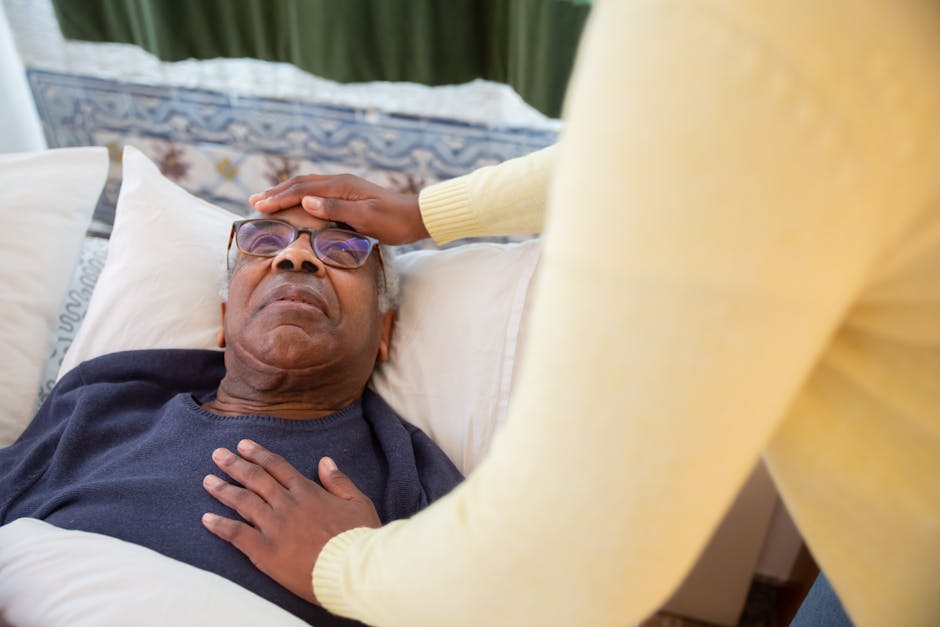
Your loved one with pressure ulcers may be bedridden, wheelchair-bound, or in too much pain to safely travel to medical appointments. Maybe you're caring for someone after a stroke who can't sit in a car for extended periods, or an elderly parent whose bed sores developed precisely because they have severe mobility limitations. The reality is that many people who need pressure ulcer treatment simply cannot get to traditional clinic appointments - yet the medical system still expects them to travel for care.
A recent national study tracking over 7.7 million pressure ulcer patients found that despite medical advances, bed sores continue to affect nearly 2% of all hospital patients across the United States. But here's the medical reality NYC families are facing - for patients who are homebound, have severe mobility restrictions, or experience pain with movement, isn't just more convenient, it's often the only safe and practical option.
The patients who most need pressure ulcer treatment are often the least able to travel for it. According to , having a pressure ulcer "may impair physical, social and psychological activities." But the reality is often more severe - many patients with bed sores are:
For these patients, the idea of traveling through Manhattan traffic or navigating subway systems isn't just challenging - it's medically inappropriate.
When Bed Rest is Doctor-Ordered
Many pressure ulcer patients are on strict bed rest or have weight-bearing restrictions. The Cochrane systematic review found that consistent, professional wound care makes the biggest difference in healing outcomes - but this care needs to happen where the patient is, not where they cannot safely go.
Pain Management During Treatment
Patients with severe pressure ulcers often experience significant pain, especially with movement. Home-based treatment allows for better pain management in a familiar environment with comfortable positioning options that wouldn't be available in a clinical setting.
Infection Control for Vulnerable Patients
According to the Cochrane research, pressure ulcers can lead to serious problems, including "infection, hospitalization, and even amputation when left untreated." Patients with open wounds are particularly vulnerable to hospital-acquired infections. Home treatment eliminates exposure to bacteria and viruses commonly found in medical facilities.
The showed that about 75% of pressure ulcer patients rely on Medicare, and many have multiple chronic conditions that compound their mobility limitations. For NYC families dealing with:
Home-based treatment is often the only medically appropriate option.
When your loved one cannot travel for medical care, look for mobile services that offer:
Mobile wound care services are becoming more available throughout New York City's five boroughs. These services typically accept Medicare and other major insurance plans, making , such as that offered by Tri State Wound, accessible to families who previously had limited options.
When evaluating home-based wound care options, families should verify that providers are licensed healthcare professionals with specific training in wound care and experience treating homebound patients with complex medical needs.


