Winter half marathon training requires planning, proper gear, and strategic pacing. Structured preparation, hydration, and early race registration help runners safely maintain endurance and achieve peak performance.
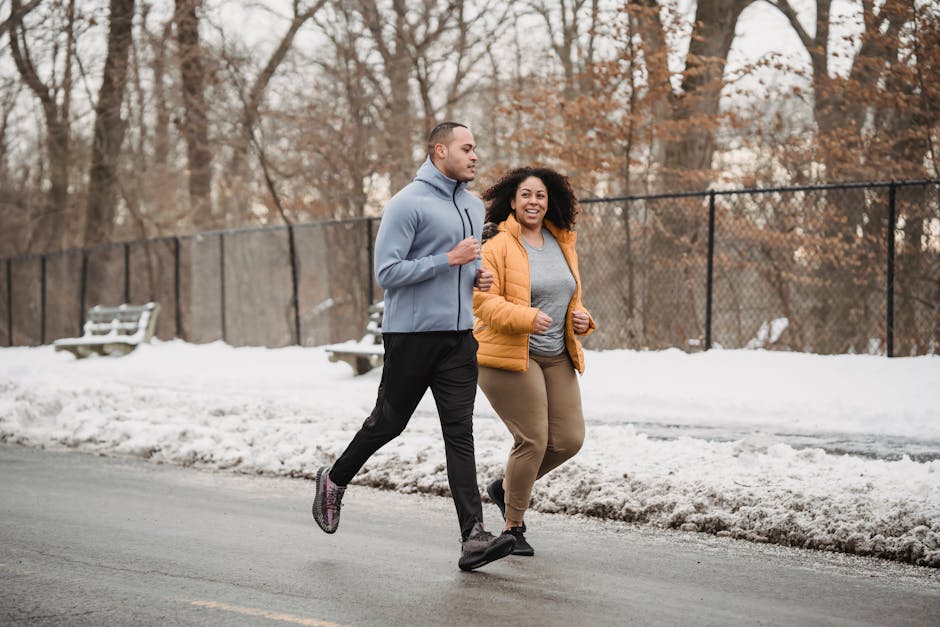
Whilst every good runner knows about the dangers of running under the scorching summer sun, running a half marathon in winter presents its own unique set of challenges. Shorter daylight hours, cold temperatures, and potentially icy or wet roads can make training more difficult than during spring or fall. Despite these obstacles, winter races offer a chance to build endurance, maintain consistency, and test mental toughness under less-than-ideal conditions.
Running in the rain isn’t fun. Running in the sleet and the snow can be downright miserable. Cold weather can reduce motivation and make it tempting to skip longer runs but remember it’s mind over matter. Being prepared and anticipating the challenges is half the battle of conquering the half marathon:
Structured training becomes especially important for half marathon runners in the colder months. Research from Runner’s World in 2023 indicates that athletes following a 12-week training plan significantly reduce injury risk while improving finishing times. Winter runners, therefore, benefit from planning each week carefully, including mileage, rest days, and speed or hill work.
Professional runners who take on half marathons throughout the year know how to prepare:
Epic Sports Marketing, who host North Carolina’s annual Elf Classic race at Lake Norman, emphasize that preparation for a winter half marathon is not only about physical readiness but also strategic planning. Consistent training, proper gear, and awareness of environmental factors help runners complete challenging courses safely and confidently.
Being prepared, like the professionals, also involves working towards those big race dates. Take advantage of early registration. Securing their spot allows professional runners to plan training schedules, build endurance, and acclimate to cold-weather running more effectively. This increases the chances of successfully sticking with winter training, as well as improving personal best finishing times.


