HOA RV parking restrictions got you stuck? Discover storage solutions, costs, and alternatives to avoid fines while keeping your recreational vehicle. Expert tips inside.
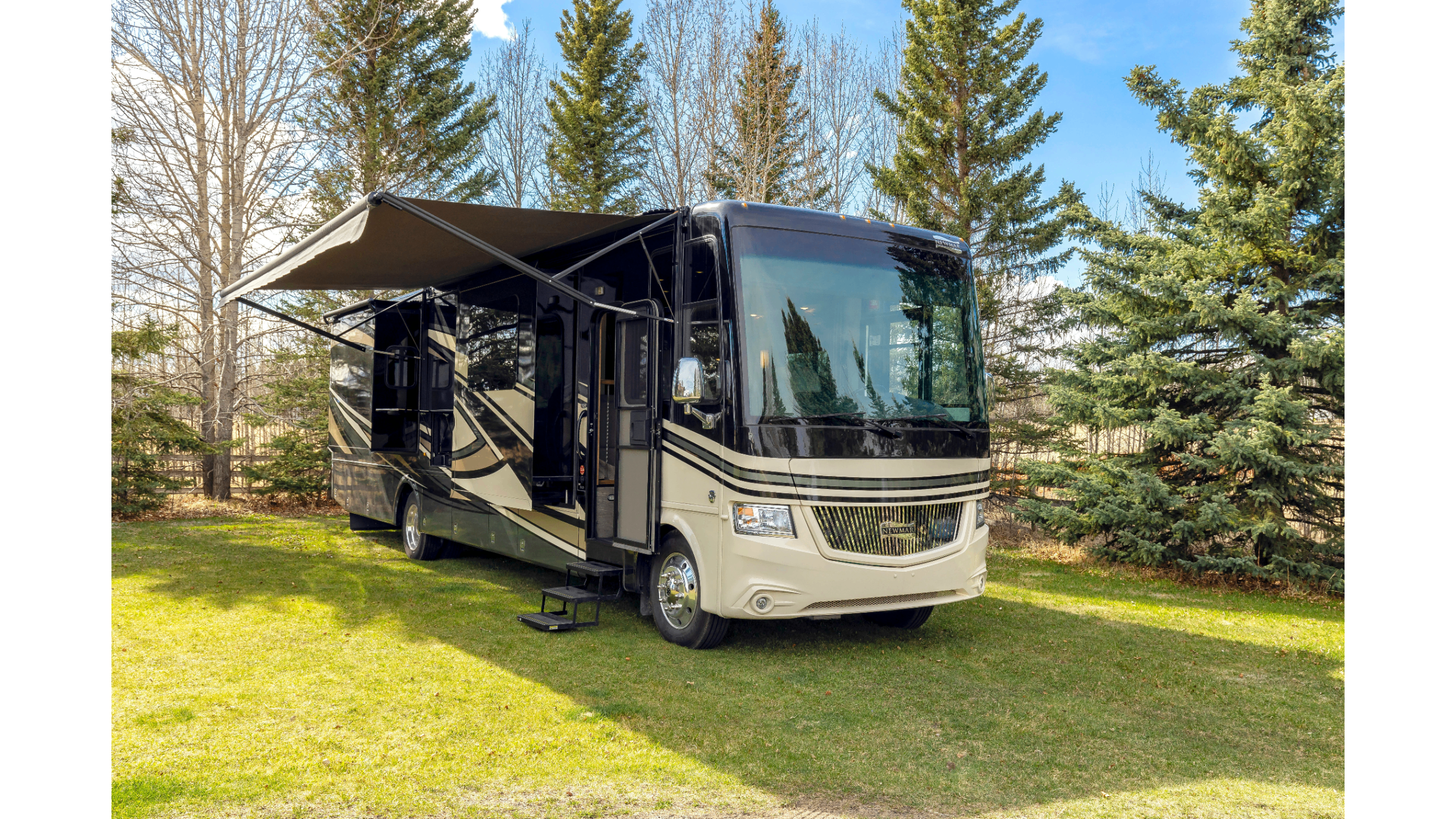
So, your HOA won’t allow RVs anywhere near the property, and if you must park it, it can’t be visible at all. After months of planning and saving, you’re suddenly stuck figuring out where to safely store your camper without breaking the rules. Like you, thousands of RV owners face the same challenge every year, but there are practical ways to stay compliant without giving up your RV lifestyle.
These restrictions are often due to concerns about property values, street access, and curb appeal. A 45-foot Class A motorhome in a driveway stands out, and many HOAs say it disrupts the neighborhood’s look.
Commercial RV storage facilities offer protection most driveways can’t match, offering gated access, 24/7 surveillance, and on-site management. These safeguards can even lower your insurance premiums. Plus, an RV parked in a neighborhood, especially when you’re away, is a tempting target for theft or vandalism.
Sun, hail, and sudden temperature swings can cause thousands in damage. Covered or indoor storage keeps UV rays, rain, and snow off your rig. Climate-controlled units go further, preventing the heat-and-cold cycles that wear out seals, electronics, and interiors. For high-value motorhomes, the long-term savings often outweigh the monthly cost.
Many top-tier facilities include fresh water, dump stations, and wash bays so you can prep for trips without hunting for public hookups. Some offer extras like battery maintenance or seasonal prep.
19 and 26 RV Storage, for example, has keyless entry, wide drive aisles, and thoughtful amenities that simplify ownership and cut down on hassles.
This option typically goes for $55–$150 a month. Best for newer RVs with strong weatherproofing or owners who travel often and want quick access. You’ll need a good cover and regular upkeep to offset weather exposure.
Usually $125–$200 monthly. A roof shields your RV from sun and rain while allowing airflow to prevent moisture issues. Great for areas with strong sun or frequent storms.
The premium option is at $200–$400 per month. Ideal for high-value rigs or long-term storage. You get full weather protection and year-round access for maintenance or loading.
Many cities let you apply for 24–72-hour permits for loading and unloading. Fees typically run $25–$75 and can help you prep for a trip without breaking HOA rules.
Got a friend or know a rural property owner with extra space? Renting private land can be cheaper than commercial storage. Just confirm zoning laws, liability coverage, and clear agreements on access and duration.
Don’t just compare monthly fees. Factor in insurance changes, travel time, and convenience. Quality facilities with strong security and helpful amenities often deliver better value than the cheapest option.
Visit in person, ideally during busy hours, to see how staff handle traffic and security. Ask for references and check insurance details before signing a contract. Location matters, too; storage along your favorite travel routes saves prep time and fuel.
HOA restrictions don’t have to end your RV adventures. With the right storage plan, you can protect your vehicle, stay compliant, and still hit the road whenever you like.
Professional RV storage offers the security, weather protection, and convenience that make recreational vehicle ownership easier, not harder.


