When your HOA faces litigation, your condo becomes “non-warrantable,” drastically limiting potential buyers to cash-only purchasers. In this in-depth piece, we explore options to help you get out of this tricky situation.
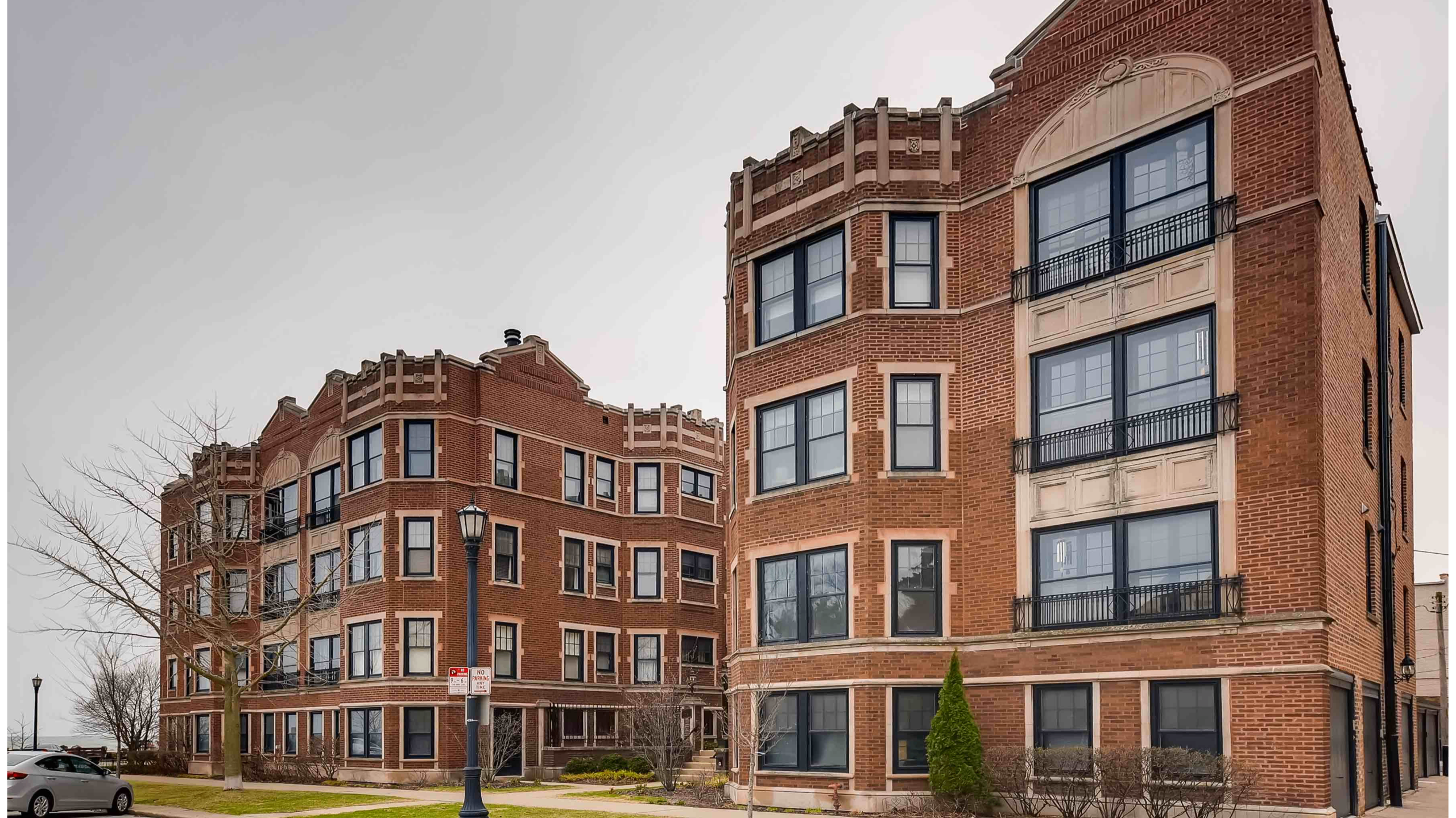
HOA litigation immediately transforms your condo selling experience from standard to highly complex. When your condo association faces a lawsuit, your once-valuable property becomes classified as "non-warrantable," a designation that eliminates most traditional financing options. This means your potential buyer pool shrinks dramatically, often to just cash buyers willing to handle the uncertainty.
The moment your HOA becomes involved in litigation, your condo enters a challenging category in the real estate market. Major lenders like Wells Fargo typically have a blanket policy against financing units in buildings with pending litigation. This financing restriction happens regardless of how minor the lawsuit might seem or how uninvolved your particular unit is in the dispute.
The impact is immediate and significant. According to industry professionals at Braddock Investment Group,, approximately 23% of condominium purchase applications are rejected due to association-related issues, compared to just 3% for single-family homes. Post-Surfside collapse, this rejection rate has increased substantially for buildings over 30 years old.
Not all HOA problems create equal challenges for sellers. Understanding the specific type of distress affecting your association helps determine your best course of action.
Common types of HOA distress include:
The severity and combination of these issues determine whether your situation is manageable or requires immediate action. For example, a minor contract dispute might resolve quickly, while structural defect litigation could drag on for years.
When HOAs face financial challenges, special assessments become the go-to solution, often creating significant financial burdens for owners. These unexpected costs can range from $5,000 for minor repairs to $50,000 or more for major infrastructure projects like riser replacements or facade repairs.
Consider this real scenario: Owners in a 600+ unit Lincoln Park high-rise received special assessment notices ranging from $5,175 to $12,078 per unit for a complete plumbing infrastructure overhaul. The total project cost exceeded $23 million with a multi-year construction timeline that significantly disrupted daily life in the building.
These assessments create a challenging decision point:
For many owners, the mathematics clearly favor an immediate sale, particularly when the total costs of assessments, carrying expenses during construction, and potential alternative housing needs are calculated against the discount required for a quick sale.
Beyond the direct costs, special assessments signal potential systemic issues in the building that may concern future buyers, further complicating your sales process.
The 2021 collapse of Champlain Towers South in Surfside, Florida fundamentally altered the condominium market nationwide. This tragedy, which killed 98 people, exposed decades of deferred maintenance and inadequate reserve funding that ultimately led to catastrophic structural failure.
In the aftermath, lenders and insurers implemented significantly stricter requirements for condominium buildings, particularly those over 30 years old. These post-Surfside changes include:
For Chicago condo owners, these changes have been particularly impactful. The city's extensive inventory of aging high-rise condominiums—many constructed in the 1960s-1980s—now face enhanced scrutiny from lenders and insurers. Buildings that were previously considered financeable have suddenly become unmarketable through traditional channels, relying instead on cash-only transactions.
Insurance costs have skyrocketed, with documented premium increases of 200-400% in some cases. The median deductible has increased from $35,000 to $175,000, a 400% jump that creates significant financial exposure for associations and individual owners alike.
When your condo becomes classified as "non-warrantable", it means the property doesn't meet the requirements for purchase by Fannie Mae and Freddie Mac in the secondary mortgage market. This classification creates immediate financing challenges that directly impact your ability to sell.
Major lenders have specific criteria that automatically trigger a "non-warrantable" classification, including:
When your condo falls into the non-warrantable category, expect most major lenders to immediately reject loan applications.
While major lenders may not be an option, smaller financial institutions sometimes offer solutions:
These alternative lenders typically charge higher interest rates (1-2% above conventional rates) and require larger down payments (often 25-30% minimum). They'll also conduct more extensive due diligence on the association's finances and the specific nature of any litigation or construction projects.
In many cases of serious HOA distress—particularly with multiple overlapping issues like pending litigation, major construction, and depleted reserves—cash buyers become the only viable path to selling your unit.
Cash buyers are typically:
These cash buyers recognize that many building issues are solvable over time, which creates opportunity. They provide liquidity to sellers who need to exit before problems are resolved, typically at a price discount that reflects the temporary financing limitations and associated risks.
When facing HOA litigation or major assessments, the decision to wait out the issues or sell immediately requires a careful financial analysis.
The timeline for resolution makes a significant difference in your decision-making process:
Short-term litigation (typically under 6 months):
Major construction projects (typically 12-24 months or longer):
Calculate the true cost of waiting by comparing:
Total Assessment Burden:
Holding Costs During Resolution:
Potential Sale Price Difference:
Using a simple example, if you face a $10,000 special assessment and 18 months of construction with monthly carrying costs of $2,500, your total expense to wait would be approximately $55,000. If the property value discount for an immediate cash sale is less than this amount, selling now might make better financial sense.
Different types of HOA distress create different timeline realities:
Board Disputes and Minor Litigation:
Collection Actions Against Owners:
Construction Defect Litigation:
Major Infrastructure Replacement:
Understanding the realistic timeline for your specific situation is crucial in making an informed decision about whether to wait or sell immediately.
Selling a condo during HOA litigation or distress requires a strategic approach that addresses the unique challenges these situations present. Here are five practical steps to maximize your chances of a successful sale:
Before listing your property, assemble a comprehensive documentation package that includes:
Having these documents ready allows you to control the narrative and answer buyer questions confidently. It also demonstrates transparency, which builds trust with potential buyers who may already be hesitant due to the HOA issues.
Pricing is critical when selling a condo with HOA challenges. Research recent sales in your building or similar buildings with comparable issues:
Be realistic about the market impact of your building's issues. Properties with HOA litigation typically sell for 10-20% below similar units in buildings without problems. Setting a competitive price from the start attracts more interest and can lead to faster offers.
With traditional financing likely unavailable, focus your marketing efforts on buyers who can work with your situation:
Consider working with real estate agents who specialize in distressed properties or have connections with investment groups that purchase non-warrantable condos. These professionals often have a network of qualified buyers specifically looking for these opportunities.
Even with a willing buyer, closing on a condo with HOA distress often takes longer than standard transactions:
Communicate these potential delays upfront with buyers to set proper expectations. Having patience and remaining flexible with closing timelines can help keep deals together that might otherwise fall apart.
If traditional selling methods prove challenging, direct sale options might work:
These alternatives typically offer below-market prices but provide certainty and speed that can outweigh the financial difference, especially when factoring in carrying costs, special assessments, and the stress of an extended marketing period.
Making the right decision about your distressed condo requires balancing emotional and financial factors. Here's how to determine whether holding or selling makes more sense for your situation:
Staying and weathering the HOA challenges might be the better option if:
Some HOA challenges are temporary speedbumps that resolve with minimal long-term impact. If you're financially secure and don't need to move, waiting out minor issues can sometimes preserve more of your equity.
Cutting your losses and selling might be the wiser choice if:
In these scenarios, accepting a cash offer—even at a discount—may result in better net proceeds than paying assessments, carrying costs, and potentially selling in a worse position later.
Some situations warrant immediate consideration of an exit strategy:
These warning signs often indicate deeper problems that may take years to resolve and could lead to further financial deterioration.
Illinois law creates specific disclosure obligations for condo sellers that cannot be overlooked. Section 22.1 of the Illinois Condominium Property Act requires detailed disclosures about:
These disclosures must be provided within 10 business days of request, and failure to disclose known issues can lead to legal liability. While disclosing problems may seem counterproductive to selling, transparency is both legally required and ethically important.
Attempting to hide association issues will almost certainly backfire, as buyers' attorneys and lenders will discover them during due diligence. Being upfront about challenges allows you to frame them properly and build trust with potential buyers.
One of the most overlooked aspects of HOA distress is the insurance crisis affecting condominium buildings nationwide. Following the Surfside collapse, insurance markets have contracted dramatically:
These insurance challenges create a cascade of problems: higher premiums lead to higher assessments, which cause more owners to fall behind on payments, which depletes reserves, which further reduces insurability.
Uninsured or inadequately insured buildings cannot obtain conventional financing, making insurance issues a critical factor in your decision-making process.
For many condo owners facing HOA distress, cash buyers ultimately provide the most viable exit strategy. These buyers understand the temporary nature of most association problems and can close quickly without financing contingencies.
While cash offers typically come at a discount to market value, they provide certainty and immediacy that can outweigh the price difference. When calculating the true cost of holding a distressed property, including special assessments, carrying costs, and the opportunity cost of tied-up equity, cash offers often represent the most financially sound decision.
Companies specializing in distressed condominiums have developed expertise in evaluating association challenges and can provide fair offers based on the specific circumstances of your building.
Selling a condo during HOA litigation or distress presents unique challenges, but with proper preparation and realistic expectations, you can successfully navigate the process. The key is understanding how association issues affect your marketability and adjusting your strategy accordingly.
By gathering comprehensive documentation, pricing strategically, targeting the right buyers, preparing for extended timelines, and considering cash alternatives, you can maximize your chances of a successful sale despite HOA challenges.
Whether you choose to wait out the issues or sell immediately, making an informed decision based on your specific circumstances and financial realities will help protect your investment and provide the best possible outcome.
Need help? Braddock Investment Group specializes in providing fast, reliable cash offers for Chicago condos affected by HOA litigation, special assessments, and other association challenges.


