Your electric bill might be draining your wallet unnecessarily—but there’s a surprisingly simple fix that most homeowners overlook. Smart upgrades can slash costs by up to 30%, and federal tax credits worth $3,200 are available right now to help you get started.
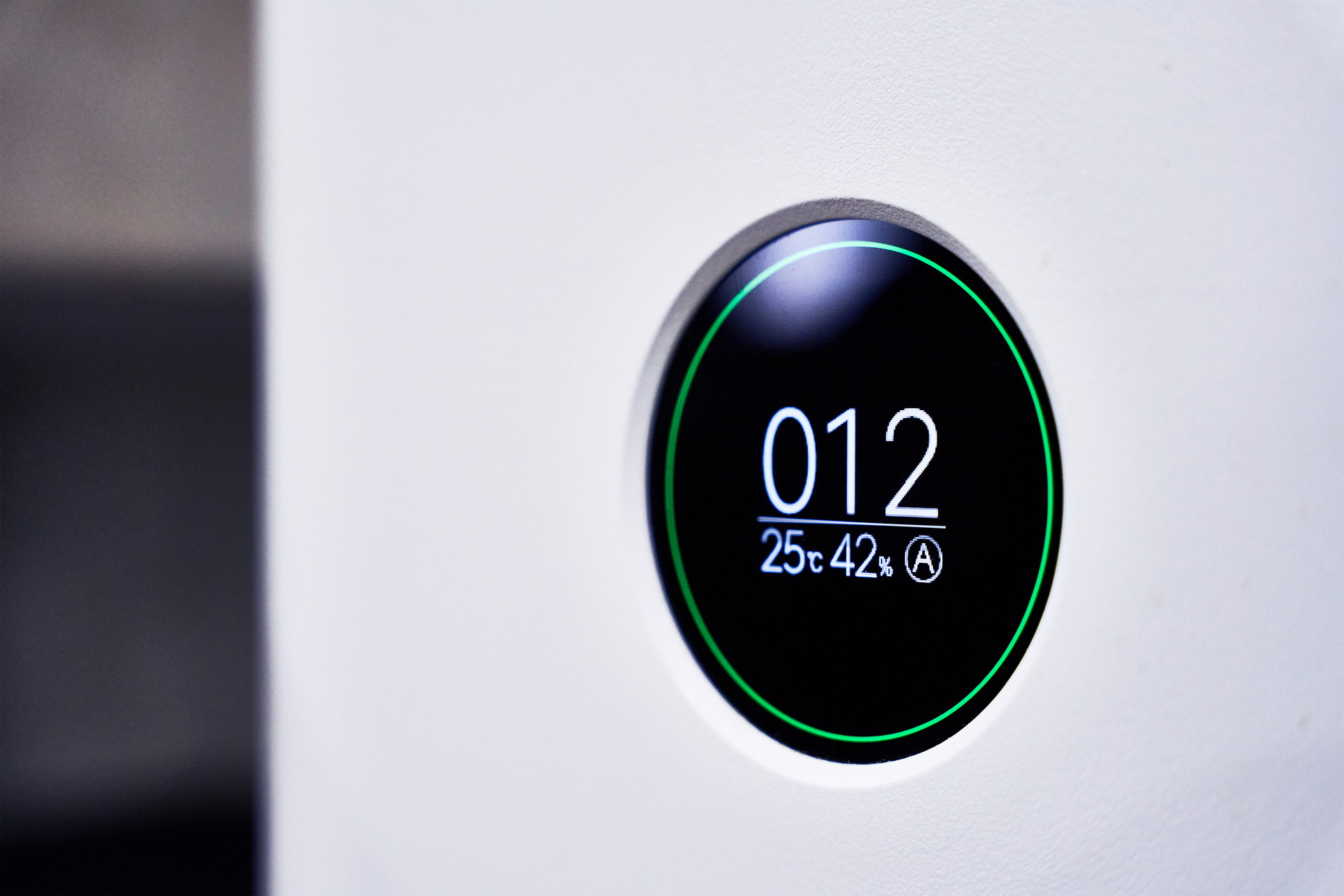
Rising electric bills have homeowners searching for proven ways to reduce energy costs without sacrificing comfort. The good news? Strategic home upgrades can dramatically slash monthly utility expenses while increasing property value. Over half of a home's electricity goes toward heating and cooling, making HVAC efficiency improvements the fastest path to meaningful savings.
Alabama-based Engle Services explains that modern smart thermostats represent one of the most cost-effective upgrades for immediate energy savings. Users save an average of 12% on heating and 15% on cooling costs, with total annual savings ranging from $130 to $145. These devices work by learning household patterns and automatically adjusting temperature settings when rooms are unoccupied.
Unlike traditional programmable thermostats that require manual setup, smart thermostats use machine learning algorithms to optimize performance continuously. Research shows nearly 50% of households with programmable thermostats never properly configure them, missing potential savings. Professional smart thermostat installation ensures proper setup and maximum efficiency gains, and are the best way to effectively reduce energy consumption in the home.
The technology behind these savings involves precision temperature control that prevents the overshooting common with traditional systems. Smart thermostats maintain consistent temperatures by learning occupancy patterns and making micro-adjustments throughout the day, eliminating energy waste from heating or cooling empty spaces.
Upgrading to a high-efficiency HVAC system delivers the most substantial energy bill reductions, with potential savings reaching 30% annually. Modern systems use variable-speed technology and advanced heat exchangers to extract maximum efficiency from every energy unit consumed. These improvements become especially valuable in regions with extreme temperature variations where heating and cooling demands peak.
The investment pays dividends beyond monthly savings. High-efficiency systems typically qualify for substantial rebates and tax credits, reducing upfront costs significantly. Energy Star certified units also increase home resale value, with energy-efficient features being highly preferred by homebuyers.
Air leaks and inadequate insulation force HVAC systems to work harder, driving up energy consumption unnecessarily. Professional air sealing combined with upgraded insulation can reduce heating and cooling costs by up to 20%. These improvements target common problem areas like attics, basements, and around windows and doors where conditioned air typically escapes.
The process involves identifying leak points using specialized equipment and sealing them with appropriate materials. Proper insulation installation ensures consistent temperatures throughout the home while reducing strain on heating and cooling equipment. This combination approach addresses both air infiltration and thermal transfer for maximum efficiency gains.
Wireless occupancy and temperature sensors represent the cutting edge of HVAC efficiency technology. These systems work by monitoring actual room usage and adjusting heating or cooling output accordingly.
The sensors communicate with smart thermostats to create zone-based control, ensuring energy isn't wasted conditioning unused areas. This targeted approach proves especially valuable in larger homes where different areas have varying occupancy patterns throughout the day.
Advanced smart thermostats continuously analyze household patterns to predict optimal temperature settings. The learning algorithms consider factors like outdoor weather conditions, time of day, and historical usage data to make proactive adjustments. This predictive approach prevents energy waste by anticipating needs rather than simply reacting to temperature changes.
The adaptive learning process becomes more accurate over time, with some systems showing increased efficiency gains after several months of operation. Users typically notice improved comfort alongside reduced energy bills as the system fine-tunes its understanding of household preferences and schedules.
Geofencing technology uses smartphone GPS capabilities to automatically adjust home temperatures based on occupant location. When residents leave a predetermined area around the property, the thermostat shifts to energy-saving mode. Upon return, the system begins conditioning the home for comfortable arrival temperatures.
Remote monitoring capabilities allow homeowners to track and adjust settings from anywhere with internet access. This feature proves invaluable for catching forgotten adjustments before extended absences or making changes when plans shift unexpectedly. The convenience factor encourages more consistent energy-saving behaviors.
Detailed energy usage reports provide homeowners with actionable insights into their consumption patterns. These analytics identify peak usage periods, track savings progress, and highlight opportunities for additional efficiency improvements. Understanding energy habits empowers informed decision-making about usage adjustments and system optimization.
Many smart thermostats also provide comparisons with similar homes in the area, creating benchmarks for performance improvement. This data-driven approach helps homeowners understand their relative efficiency and motivates continued conservation efforts.
Integration with other smart home devices creates energy management ecosystems. Smart thermostats can coordinate with intelligent lighting systems, automated blinds, and smart appliances to optimize overall home energy consumption. Voice control compatibility with assistants like Amazon Alexa and Google Assistant adds convenience while encouraging more frequent efficiency adjustments.
These integrated systems can automatically adjust multiple home systems simultaneously. For example, when geofencing detects departure, the thermostat can coordinate with smart lighting to turn off unnecessary fixtures and adjust window coverings to reduce solar heat gain during summer months.
Converting outdated incandescent bulbs to LED lighting delivers immediate energy reductions of up to 75%. LED bulbs also generate significantly less heat than traditional lighting, reducing cooling loads during warm months. This secondary benefit compounds HVAC efficiency gains, especially in homes with extensive lighting usage.
The conversion process requires minimal investment while delivering long-term savings through extended bulb life and reduced energy consumption. Modern LED options provide excellent light quality and dimming capabilities, ensuring no compromise in functionality or ambiance.
Strategic window upgrades and weatherization create additional opportunities for energy bill reductions. Double or triple-pane windows with low-E coatings minimize heat transfer while maintaining natural light levels. Weather stripping around doors and windows eliminates drafts that force HVAC systems to compensate for conditioned air loss.
These improvements work synergistically with smart thermostat installations, providing the thermal envelope necessary for optimal automated temperature control. Better insulation and air sealing allow smart thermostats to maintain comfortable temperatures more efficiently.
Homeowners can claim up to $3,200 in federal tax credits for qualifying energy-efficient improvements. These incentives significantly reduce the upfront costs of efficiency upgrades while accelerating return on investment timelines. The credits apply to various improvements including insulation, air sealing, windows, and smart thermostat installations.
Documentation requirements for these credits include manufacturer certifications and professional installation receipts. Working with qualified contractors ensures proper compliance with federal requirements while maximizing available incentives.
Heat pump installations qualify for additional tax credits up to $2,000, recognizing their superior efficiency compared to traditional heating and cooling systems. These systems provide both heating and cooling functions while using significantly less energy than conventional equipment. The technology proves especially cost-effective in moderate climates where heating demands remain manageable.
Heat pumps work particularly well with smart thermostat technology, as the automated controls optimize the system's variable-speed operation for maximum efficiency. The combination delivers compound savings through both technology improvements and intelligent operational control.
Many utility companies offer demand response programs that provide additional savings opportunities for smart thermostat users. These programs incentivize reduced electricity usage during peak demand periods through bill credits or direct payments. Smart thermostats can automatically participate in these programs, adjusting temperatures slightly during high-demand periods without compromising comfort.
Participation typically requires minimal homeowner involvement once initial enrollment is complete. The smart thermostat handles automatic adjustments according to utility signals, creating passive income while supporting grid stability during peak usage periods.
Implementing these energy-saving strategies requires careful planning and professional execution to achieve maximum benefits. The combination of smart thermostat technology, HVAC efficiency improvements, and home upgrades creates substantial opportunities for electric bill reductions. Success depends on selecting appropriate technologies for specific home configurations and ensuring proper installation and setup.
Professional energy audits help identify the most cost-effective improvements for individual properties, prioritizing upgrades that deliver the highest return on investment. Starting with smart thermostat installation provides immediate savings while laying the foundation for additional efficiency improvements over time.


