Planning a new store opening? Build excitement with pre-launch campaigns, know your audience, and boost visibility through social media, local SEO, and community partnerships. A strong grand opening uses multiple channels to maximize impact in those crucial first weeks.
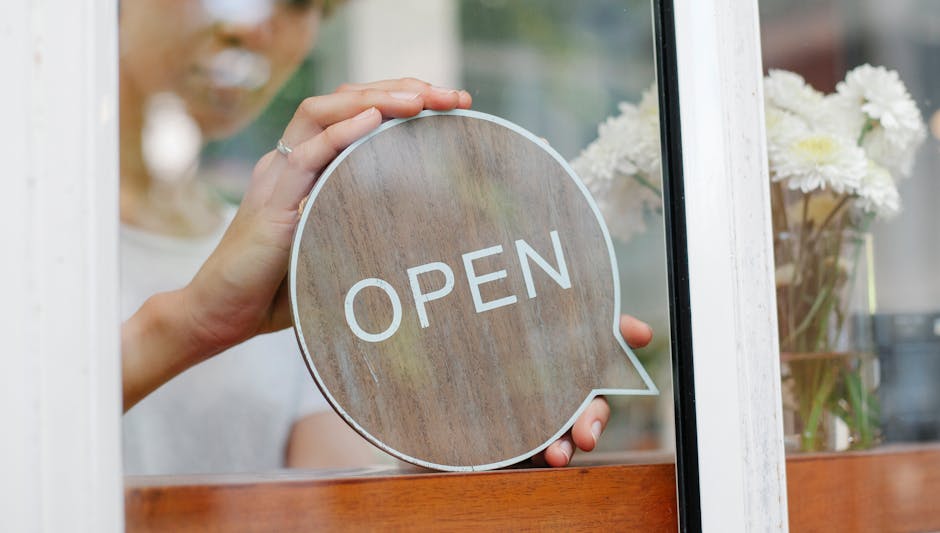
A great store opening doesn't happen by accident. The most successful launches use a mix of marketing channels to build excitement that peaks on opening day. For small businesses with tighter budgets, that means focusing on the efforts most likely to reach the right audience in the right place.
Industry experts, including PressCable, note that one of the most effective tools is a professionally distributed press release. By reaching local media outlets and boosting online visibility at the right moment, it helps small businesses turn a simple opening into a newsworthy event.
Successful store openings start with one key step: knowing exactly who you're trying to reach. The demographics of your location should shape everything from your messaging to the channels you use.
Gather concrete data to understand your market:
A boutique clothing store in a neighborhood full of young families will market itself differently than one aimed at retirees or young professionals. Understanding your audience ensures your message speaks directly to likely customers instead of wasting resources on generic promotions.
Every strong launch highlights the problems your business fixes. Your campaign should make it clear how your store meets needs that others don't.
Ways to gather insights include:
If a new hardware store discovers residents hate driving 30 minutes for supplies, convenience should be front and center in its messaging. A café in a health-conscious neighborhood might focus its opening campaign on nutritious menu options.
To stand out, you need a clear unique selling proposition (USP). Visit competitors, study their marketing, and identify opportunities where you can do better. Look for:
Your USP should become the centerpiece of all your opening materials, from social media posts and flyers to the signage in your windows.
Before diving into tactics, shape the story behind your store. Customers connect not just with what you sell, but why you opened and how it improves their lives.
Your story might highlight:
Weave this narrative into everything you share. A local bakery, for example, might spotlight the owner's grandmother's recipes—something national chains can't replicate. An authentic brand story often becomes the emotional hook that keeps customers coming back.
Start building excitement 6-8 weeks before opening, gradually revealing more as launch day nears:
Think of a children's bookstore covering its windows with silhouettes of beloved characters, later peeling them back to reveal cozy reading nooks. Each reveal gives people another reason to talk about you.
Pre-opening contests generate buzz and capture valuable contacts. Simple, low-budget options include:
Each entry should require an email address, ensuring your list grows while participants spread the word through their own networks.
Turn preparation into content that makes followers feel included. Ideas include:
These work especially well on Instagram, TikTok, and Facebook Stories. A new fitness studio, for instance, could post clips of equipment installation, trainers rehearsing, or before-and-after shots of the space transformation.
For small businesses on a budget, social media offers the biggest impact with the lowest cost. Focus on a few high-yield tactics:
Don't try to be everywhere. Choose 2-3 platforms where your audience actually spends time—often Facebook, Instagram, and either TikTok or LinkedIn, depending on your customer base.
Make sure people can find you before your doors even open:
Even a small list can be powerful. Plan a short sequence to build momentum:
Small businesses can extend their reach by teaming up with a handful of complementary, non-competing neighbors. Think 3-5 businesses that serve the same audience but offer different products.
Low-cost partnership ideas include:
For example, a boutique fitness studio could link up with a health food store, an athletic wear retailer, and a juice bar to create a wellness-themed opening weekend that benefits all of them.
Community voices often deliver more authentic impact than paid ads. Seek out:
Host a preview event for these stakeholders a day or two before opening. It gives them a reason to talk about you, strengthens local ties, and may attract early media coverage.
Align your launch with a cause your community cares about. Options include:
For instance, a new bookstore could pledge a portion of opening-weekend sales to the local library's children’s reading program—supporting literacy while appealing to family-minded customers.
Strong promotions spark urgency without draining your margins. Options include:
Make sure urgency is clear. Window signs, social posts, and staff should all stress that these deals are exclusive to the launch period. Pairing time-sensitive offers with a well-timed press release ensures local media and online audiences hear about them in advance, driving more foot traffic on opening day.
A grand opening should feel more like an event than a shopping trip. Ideas that get people sharing:
For instance, a kitchenware store could schedule quick cooking demos every hour, set up a playful photo booth with chef hats and utensils, and serve recipe samples using its products.
Don't let the traffic stop at the door—use the day to grow your customer base:
Multiple touchpoints are more effective than relying on one channel alone. A strong follow-up list lets you extend the momentum well beyond launch day.
Set up simple systems to track how well your opening campaign performs:
Free tools like Google Analytics, social media dashboards, and basic point-of-sale reports can provide plenty of insight without a big budget.
A successful store opening blends smart planning with authentic community connection. By using the right mix of strategies before, during, and after launch, you'll not only drive traffic on day one but also set the stage for lasting customer relationships.
PressCable supports small businesses by offering guides and templates for successful press releases for every occasion.


