Gulf Coast homeowners face a hidden threat that’s silently destroying their roofs faster than they realize. Salt air and humidity create the perfect storm for premature failure, but there’s one critical maintenance step most people completely overlook.
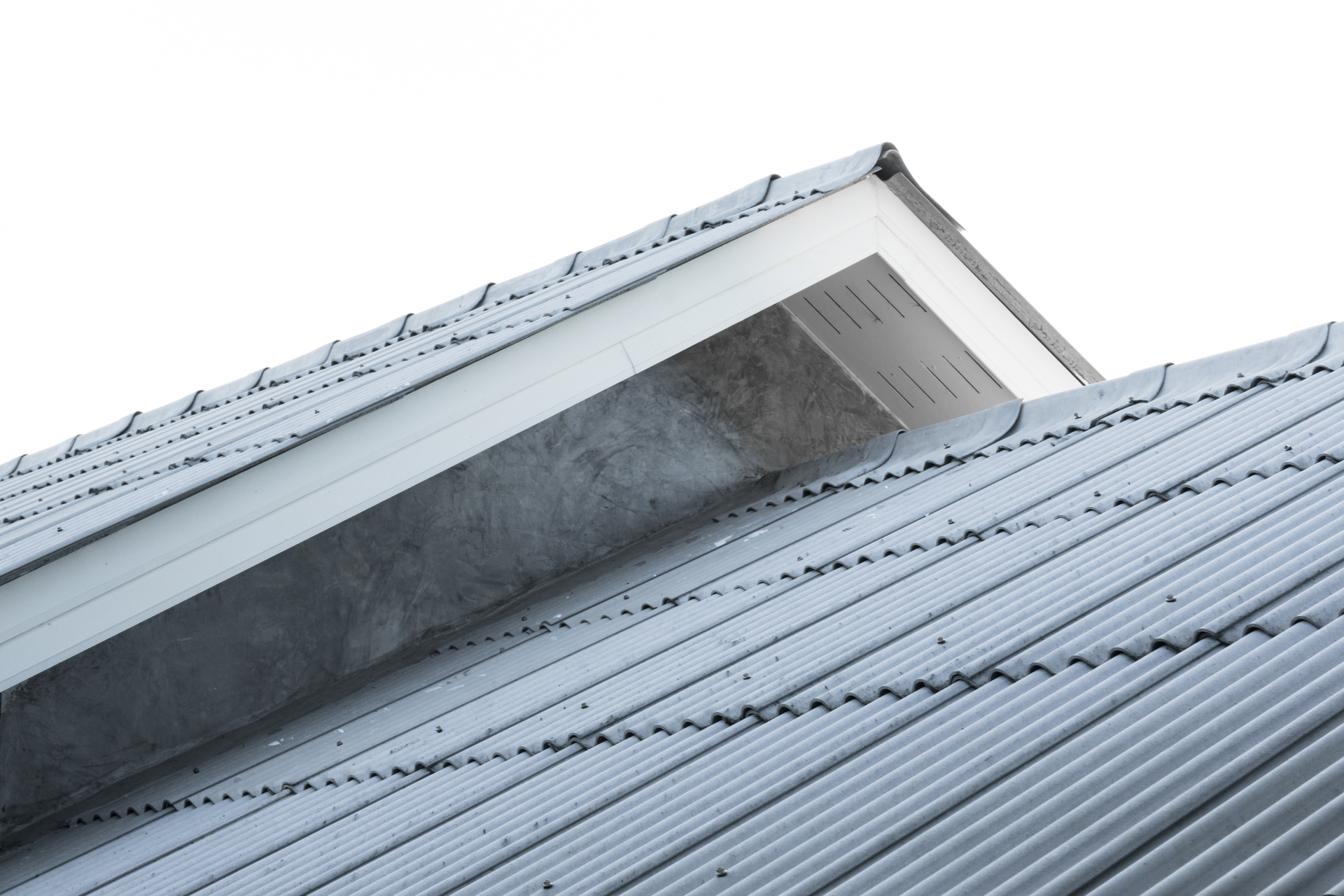
Living along the Texas Gulf Coast offers stunning sunsets and ocean breezes, but these environmental benefits come with a hidden cost to homeowners. The combination of salt air, intense humidity, and severe weather events creates a perfect storm of conditions that systematically attack roofing systems, often leading to premature failure and unexpected repair bills.
The invisible enemy attacking Gulf Coast roofs arrives on every ocean breeze. Salt particles from the Gulf of Mexico settle on roofing materials daily, creating a corrosive environment that accelerates the breakdown of metal components, fasteners, and protective coatings. This constant salt exposure causes metal flashing to develop rust spots within just a few years, while standard galvanized nails begin showing corrosion relatively quickly in coastal environments.
High humidity compounds this problem by creating moisture conditions that never truly allow roofing materials to dry completely. The persistent dampness promotes mildew growth, weakens adhesive bonds between shingles, and causes wood decking to gradually soften and lose structural integrity. Galveston County Roofing has observed that homes within five miles of the coast typically require roof replacement several years earlier than similar structures located further inland.
The combination of salt and humidity creates a particularly damaging cycle where moisture retention accelerates chemical reactions that break down protective barriers on roofing materials. Asphalt shingles lose their granule coating faster, while metal roofing develops microscopic pitting that eventually becomes visible rust patches requiring immediate attention.
The Texas Gulf Coast sits directly in the path of some of North America's most destructive weather systems, with hurricane season bringing sustained winds that can exceed 150 MPH and intense rainfall. These extreme conditions test every component of a roofing system, often revealing weaknesses that might otherwise remain hidden for years.
Standard asphalt shingles are designed to withstand winds up to 90 MPH under ideal conditions, but Gulf Coast hurricanes regularly produce sustained winds of 100-130 MPH with gusts reaching even higher velocities. The lifting force created by these winds can overcome the nail penetration depth of standard installation methods, causing entire sections of roofing to peel away like pages from a book. Impact-resistant shingles and proper fastening techniques become necessary investments rather than optional upgrades in coastal environments.
Hurricane rainfall doesn't fall straight down - it arrives horizontally, driven by powerful winds that force water into the smallest gaps and crevices. A minor crack around a chimney or a slightly lifted shingle edge becomes a major water entry point during storm conditions. Once water penetrates the roof system, it travels along rafters and decking, often appearing as ceiling stains or wall damage far from the actual entry point. The warm, humid conditions following storms create perfect environments for mold growth, which can begin developing within 24-48 hours of water intrusion.
After any significant weather event, homeowners should conduct thorough visual inspections from ground level using binoculars to examine their roof surface. Look for missing or damaged shingles, sagging areas that might indicate structural damage, and any debris or punctures from flying objects. Pay particular attention to roof edges, valleys, and areas around chimneys, vents, and satellite installations where wind uplift forces concentrate. Document any visible damage with photographs for insurance purposes, but avoid climbing on the roof yourself - storm-damaged structures can be unstable and dangerous.
The intense Texas sun delivers more than just scorching temperatures - it bombards roofing materials with ultraviolet radiation that gradually breaks down chemical bonds and protective compounds. Coastal areas experience particularly intense solar exposure due to reflection off water surfaces, effectively doubling the UV load that roofing materials must endure throughout each day.
Gulf Coast temperatures can swing from overnight lows in the 70s to afternoon highs that may exceed 100°F, causing roofing materials to expand and contract repeatedly throughout each 24-hour cycle. This constant movement gradually loosens fasteners, creates stress fractures in brittle materials, and causes sealant strips to fail prematurely. Metal roofing experiences particularly pronounced expansion and contraction, with steel panels potentially growing or shrinking significantly across their length during extreme temperature changes.
Selecting appropriate materials becomes critical for long-term roof performance in coastal environments. Premium architectural shingles with enhanced UV protection can maintain their appearance and structural integrity for 25-30 years, while standard three-tab shingles may show significant deterioration within 15-20 years. Metal roofing with specialized coastal coatings offers excellent longevity, but requires proper ventilation and expansion joint design to accommodate thermal movement without creating stress points.
The warm, humid climate along the Texas Gulf Coast creates ideal growing conditions for various organic materials that can colonize roof surfaces and accelerate deterioration. These biological invaders don't just create unsightly stains - they actively retain moisture against roofing materials, preventing proper drying and creating localized areas of accelerated decay.
Relative humidity levels frequently exceed 80% along the Gulf Coast, providing enough moisture to support algae, moss, and lichen growth even during periods without direct rainfall. These organisms thrive in shaded areas where morning dew lingers longest, typically on north-facing roof sections or areas sheltered by overhanging tree branches. Once established, these growths create their own microclimate, trapping additional moisture and providing nutrients for continued expansion across larger roof areas.
Installing zinc or copper strips along roof ridges provides an effective long-term solution for preventing organic growth. These metal strips release ions when exposed to rainwater, creating an environment hostile to algae and moss development. The ions wash down the roof surface during rainfall, providing protection for the entire roof area below the installation point. Proper installation involves securing 6-inch wide strips just below the ridge line, ensuring good contact with the roof surface to maximize ion distribution.
While metal roofing offers excellent durability and wind resistance for coastal applications, the marine environment creates specific challenges that require careful material selection and installation techniques. Understanding these issues helps homeowners make informed decisions about metal roofing systems and necessary maintenance protocols.
Metal roofing panels can experience significant expansion when temperatures rise from moderate levels to extreme heat - a range commonly experienced on Texas Gulf Coast roofs. This movement must be accommodated through proper fastening techniques and expansion joints, or the resulting stress can cause fasteners to work loose, panels to buckle, or seams to separate. Standing seam systems with floating clips provide better accommodation for thermal movement than exposed fastener systems.
Even galvanized steel roofing can develop rust issues in coastal environments where salt air accelerates corrosion processes. Exposed fasteners create particularly vulnerable points where the protective coating may be compromised during installation, allowing moisture and salt to attack the underlying metal. Stainless steel fasteners and proper sealant application become necessary investments for long-term system integrity in marine environments.
Gutter systems along the Gulf Coast must handle not only regular rainfall but also the heavy debris loads that accompany frequent storms and the ongoing accumulation of organic matter from humid conditions. Clogged gutters can quickly transform from a minor maintenance issue into a major structural threat when water backs up and finds alternative drainage paths through roof and wall systems.
Regular gutter cleaning becomes particularly critical in coastal areas where salt spray can accelerate corrosion of gutter materials while high humidity promotes rapid organic growth. Installing gutter guards specifically designed for high-debris environments can reduce maintenance requirements while ensuring proper water flow during critical storm events when manual cleaning isn't possible.
Understanding typical repair costs helps homeowners budget appropriately for both routine maintenance and emergency repairs. Coastal conditions often accelerate wear patterns, making proactive repairs more cost-effective than reactive replacements.
Small leaks around penetrations, damaged flashing, or individual shingle replacement typically fall within this range. Early detection and prompt repair prevent these minor issues from developing into major structural problems requiring extensive remediation work.
Storm damage or UV deterioration often affects specific roof sections rather than entire surfaces. Replacing damaged areas promptly maintains overall system integrity while avoiding the expense of premature full replacement.
Repairing punctures, replacing damaged panels, or addressing fastener issues on metal roofing systems requires specialized techniques and materials but remains significantly less expensive than complete system replacement.
Complete roof replacement costs vary dramatically based on home size, material selection, and structural complexity. Coastal properties often require enhanced materials and installation techniques that add to overall project costs but provide necessary long-term protection against marine environment challenges.
Professional evaluation becomes particularly important for Gulf Coast properties where environmental conditions accelerate normal wear patterns and create unique maintenance requirements. Experienced contractors familiar with coastal challenges can identify potential problems before they develop into costly failures, recommend appropriate materials for local conditions, and provide installation techniques that maximize system longevity.
Regular professional inspections, combined with prompt attention to identified issues, represent the most cost-effective approach to roof management in challenging coastal environments. The investment in professional expertise pays dividends through extended roof life, reduced emergency repair costs, and maintained home value in demanding environmental conditions.


