Don’t wait for winter emergencies. Schedule your fall HVAC and plumbing inspections now to prevent costly repairs, maintain efficiency, and extend system life.
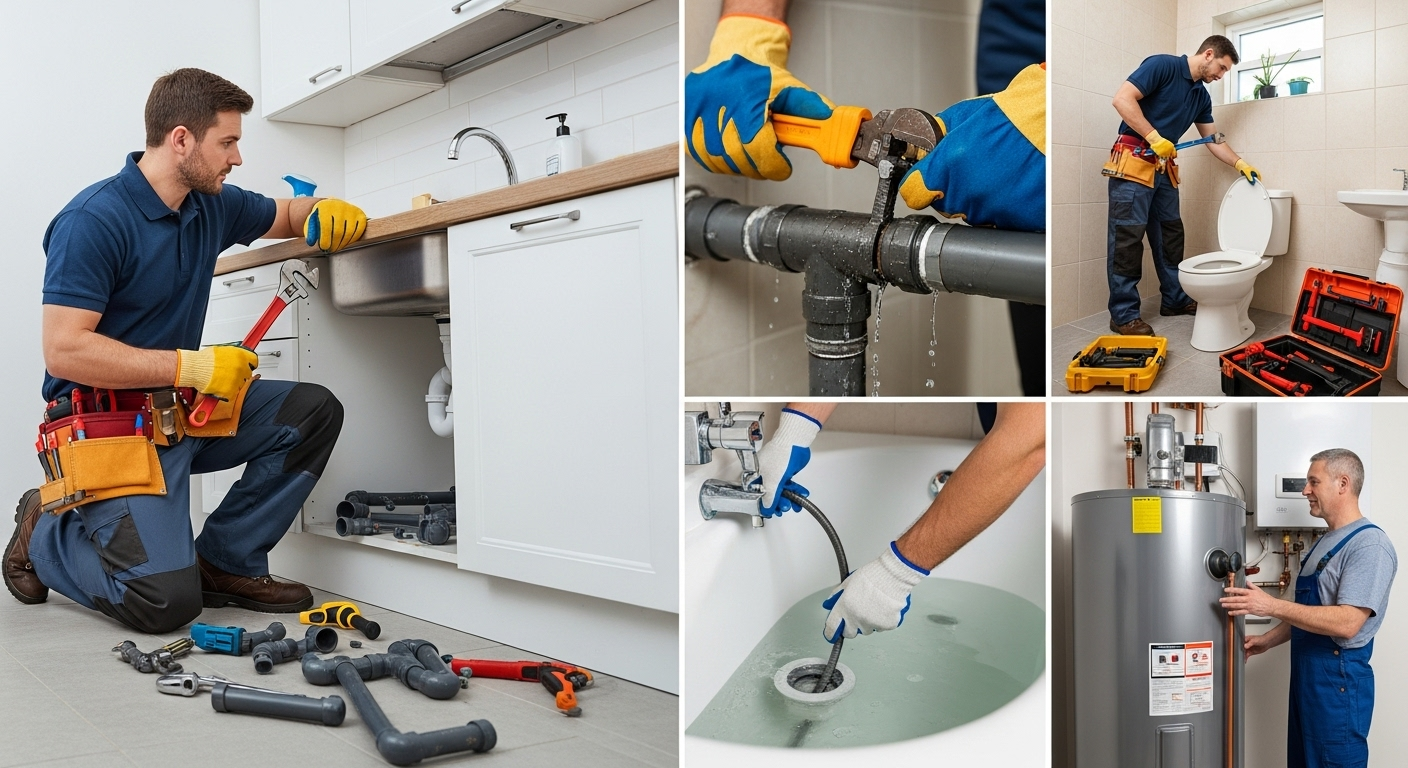
As temperatures drop, your home's HVAC and plumbing systems face their most challenging season. Winter puts extraordinary demands on these critical systems, testing their limits when you need them most. Proper maintenance could make all the difference in preventing a major disaster this win
Fall is the ideal time to schedule these crucial inspections. "Waiting until the first cold snap means you'll be competing with emergency calls, potentially facing delays when you need service most," explains Davenport-based HVAC company Northwest Plumbing, Heating & AC. "Professional technicians need to thoroughly evaluate your heating system and plumbing before freezing temperatures arrive to ensure everything functions optimally during winter's harshest conditions."
Perhaps the most immediate consequence of neglecting regular maintenance is the risk of system failure during peak usage times. When temperatures plummet, repair services experience their highest demand, leading to premium pricing for emergency calls. What might have been a simple fix during a scheduled inspection can become a costly emergency repair—often happening during holidays or weekends when service rates are at their highest.
The financial impact extends beyond just the repair itself. Consider the potential water damage from a burst pipe or the cost of temporary housing if your heating system fails during a cold snap. These secondary expenses can dwarf the initial repair costs and are entirely preventable with proper maintenance.
Beyond financial considerations, neglected HVAC systems pose serious safety risks to your household. Furnaces and boilers that haven't been properly inspected can develop cracks in heat exchangers, leading to carbon monoxide leaks—an odorless, colorless gas that can be lethal. Without annual safety checks, these dangerous conditions can develop undetected.
Plumbing issues bring their own safety concerns. Water damage can compromise structural integrity, while standing water creates slip hazards and promotes mold growth that impacts indoor air quality and health. Electrical components near water leaks present shock and fire hazards that comprehensive inspections can prevent.
Many manufacturers of HVAC equipment and plumbing fixtures require documentation of regular professional maintenance to keep warranties valid. When system failures occur, the first thing warranty departments check is maintenance history. Without proof of annual inspections, you might be denied coverage for repairs that should be fully covered.
Similarly, home insurance policies often include clauses about reasonable maintenance. If water damage occurs from a plumbing issue that proper inspection would have caught, your claim might be denied on grounds of negligence. These hidden financial risks make annual inspections an essential form of protection for your investment.
A thorough heating system inspection begins with a comprehensive efficiency evaluation. Technicians measure how effectively your system converts energy into heat, looking for indicators of declining performance. Over a single season, dust and debris accumulate on critical components like blower motors and heat exchangers, forcing your system to work harder while delivering less heat.
During maintenance, professionals clean these vital components, lubricate moving parts, and adjust airflow for optimal performance. These services often result in immediate efficiency improvements that translate to lower energy bills and more consistent comfort throughout your home.
Perhaps the most critical aspect of any heating system inspection is comprehensive safety testing. Technicians check for carbon monoxide leaks, inspect gas connections for integrity, and examine heat exchangers for dangerous cracks or corrosion. These tests identify potentially life-threatening issues before they become emergencies.
Professionals also verify that carbon monoxide detectors are functioning properly and positioned correctly throughout your home. This multi-layered approach to safety provides peace of mind that your heating system won't endanger your family during high-use winter months.
Your ductwork is the delivery system for all the heated air in your home, but it's often overlooked during DIY maintenance. Professional inspections include examining ducts for leaks, disconnections, and insulation issues that can significantly impact your heating system's efficiency.
Technicians will also evaluate your filtration system, recommending appropriate filter types and replacement schedules based on your specific needs. Proper filtration not only protects your equipment from dust buildup but also significantly improves indoor air quality during winter months when windows remain closed.
Even the most efficient heating system can waste energy if controlled by an improperly calibrated thermostat. During inspections, technicians verify that your thermostat accurately reads and maintains temperature settings. They can also recommend programmable or smart thermostat upgrades that further optimize your system's performance while reducing energy consumption.
Water leaks don't always announce themselves with dramatic puddles. Many develop slowly behind walls, under floors, or in crawl spaces where they can cause extensive damage before becoming visible. Professional plumbers use specialized equipment like moisture meters, thermal imaging cameras, and sound detection tools to locate these hidden leaks before they become disasters.
During annual inspections, plumbers systematically check all accessible plumbing connections, including those under sinks, behind toilets, and around appliances. They'll examine water supply lines, drain pipes, and fixture connections for signs of deterioration or minor leaks that could worsen during winter's freeze-thaw cycles.
One of the most important aspects of winter plumbing preparation is ensuring adequate insulation for vulnerable pipes. Professional inspections include evaluating pipe locations relative to exterior walls, checking existing insulation, and identifying areas where additional protection is needed.
Technicians can insulate exposed pipes in attics, basements, crawl spaces, and garages—areas most susceptible to freezing. They'll also verify that outdoor spigots are properly winterized and that any irrigation systems have been blown out to prevent freeze damage.
Drain issues that seem minor during warmer months can become emergencies during winter's peak usage periods. Annual inspections typically include evaluating drain performance throughout your home, identifying slow-draining fixtures that indicate developing blockages.
For more thorough assessments, plumbers may use camera inspection technology to examine sewer lines for root intrusion, breaks, or blockages that could lead to backups. These preventive cleanings and inspections can save you from dealing with sewage emergencies during the coldest days of the year.
Your water heater works hardest during winter months when incoming water temperatures drop and household demand increases. Annual inspections include flushing sediment buildup, checking pressure relief valves, and verifying proper temperature settings to prevent scalding while ensuring sufficient hot water.
Technicians also examine gas connections, venting systems, and electronic controls for potential safety issues. This comprehensive maintenance not only prevents unexpected failures but can extend your water heater's lifespan by years.
Regular maintenance for your HVAC and plumbing systems represents one of the best investments you can make in your home. The immediate cost savings come from improved energy efficiency—systems that operate at peak performance use significantly less energy to maintain comfort. These savings often offset the cost of annual maintenance within the first year.
The more substantial financial benefit comes from extended equipment lifespan. HVAC systems and plumbing components last significantly longer when properly maintained. With replacement costs running into thousands of dollars, extending system life through regular maintenance represents considerable savings over time.
Perhaps most importantly, annual inspections allow you to budget for eventual replacements. Rather than facing sudden, emergency replacements at inconvenient times, you'll receive professional assessments of remaining equipment life, allowing you to plan and save for upgrades on your own schedule.
As winter approaches, the time to schedule your annual HVAC and plumbing inspections is now, before the seasonal rush begins. Proactive maintenance ensures your essential home systems will perform reliably throughout the coldest months, preventing discomfort, damage, and unexpected expenses when you can least afford them.


