Florida homeowners boarding windows might be missing the biggest hurricane threat: the trees overhead. Professional tree maintenance can reduce storm damage by up to 70%, but most property owners don’t know which hidden warning signs demand immediate attention before peak season hits.
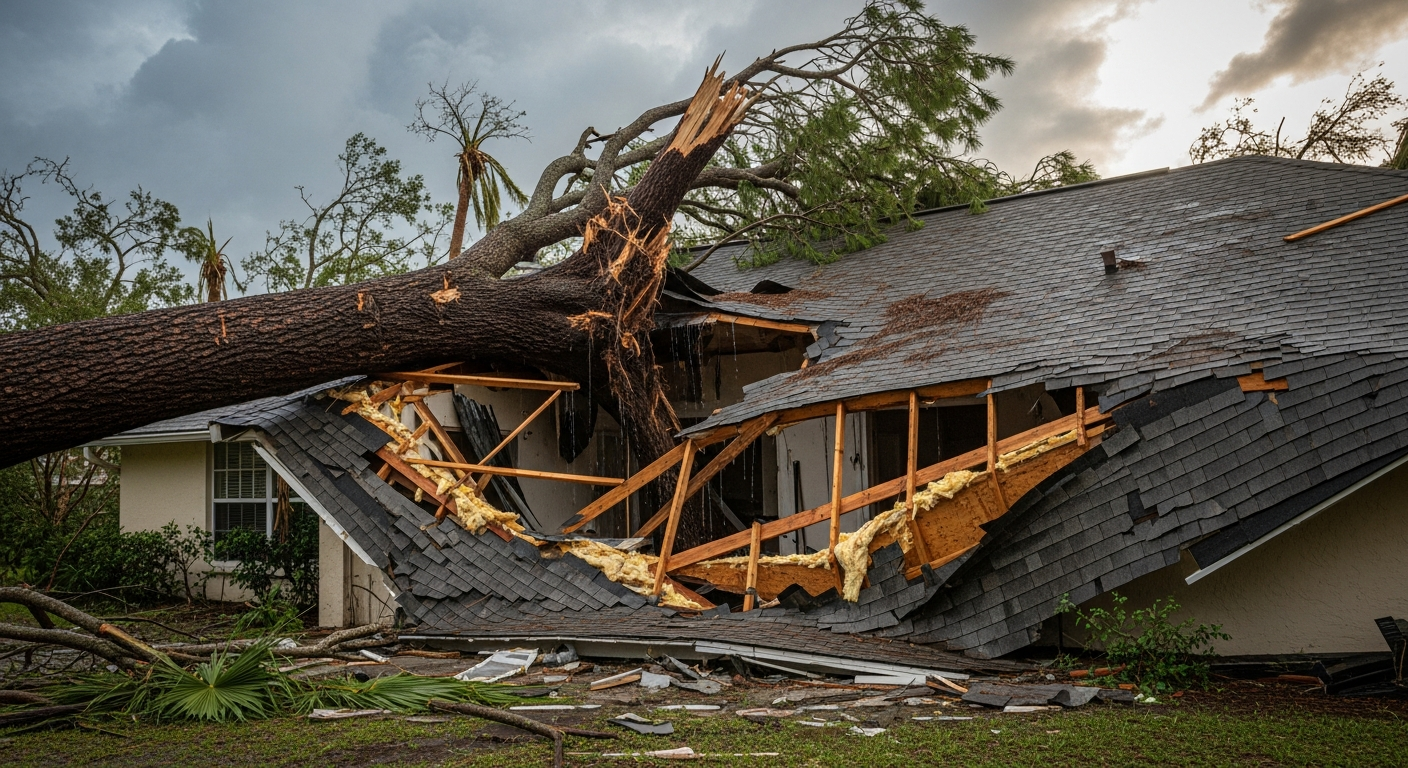
Florida's hurricane season brings winds exceeding 100 mph, torrential rains, and the potential for catastrophic property damage. While homeowners rush to board windows and stock supplies, the most dangerous threats often lurk overhead in neglected tree canopies.
Hurricane season officially runs from June through November, with peak activity striking between August and October. This timeline creates a critical window for property preparation that extends far beyond last-minute boarding and supply runs.
Tree-related damage represents a significant component of hurricane property losses in Florida. Dead branches become projectiles, saturated soils cause root uplift, and dense canopies act like sails that topple entire trees onto homes and power lines. The University of Florida IFAS Extension emphasizes that regular tree maintenance, particularly strategic pruning, dramatically reduces the risk of tree failure during hurricanes.
Professional arborists at Watch'em Grow Tree and Lawn recommend beginning hurricane preparation in early spring, allowing ample time for proper tree assessment and maintenance before storm threats emerge.
Beyond tree care, storm preparation involves protecting vulnerable structural elements. Windows require hurricane shutters or plywood boarding, while roofs need inspection for loose shingles and compromised flashing. Garden furniture, planters, and outdoor equipment must be secured or stored to prevent them from becoming dangerous projectiles.
Drainage systems deserve particular attention, as clogged gutters and storm drains compound flooding risks. Proper grading around foundations directs water away from structures, while well-maintained landscaping helps absorb excess rainfall and reduce erosion.
Florida's sandy soils present unique challenges during hurricane season. Heavy rainfall quickly saturates the ground, transforming solid earth into unstable mush that cannot support tree root systems. Trees with shallow or damaged root networks become particularly vulnerable to complete uplift, where the entire root ball pulls free from the softened soil.
Property owners should examine trees for signs of root exposure, soil mounding around the base, or recent construction damage that may have severed critical root structures. Trees that lean more than 15 degrees from vertical pose elevated risks, especially when combined with saturated soil conditions.
Florida's warm, humid environment promotes rapid tree growth, but also creates ideal conditions for diseases and pest infestations that weaken tree structure. Fast-growing trees often develop weak branch attachments and hollow trunks that appear healthy from the outside but lack internal structural integrity.
Common warning signs include fungal growth around the tree base, unexplained leaf drop during growing seasons, and visible cavities or cracks in the trunk. Spanish moss, while picturesque, adds significant weight to tree canopies and should be managed before storm season to reduce wind resistance.
Coastal Florida properties face additional challenges from salt spray and air that gradually weakens certain tree species. Salt exposure causes leaf burn, branch dieback, and overall tree stress that compromises storm resistance. Trees near the coast require more frequent assessment and may need protective treatments or strategic replacement with salt-tolerant species.
Pine trees and other salt-sensitive species often show yellowing needles, stunted growth, and increased susceptibility to diseases when exposed to coastal conditions. These weakened trees become prime candidates for failure during hurricane-force winds.
Crown thinning represents the most effective hurricane preparation technique for mature trees. This process involves selectively removing interior branches to create air passages that allow wind to flow through the canopy rather than against it. Properly thinned trees significantly reduce wind resistance, dramatically decreasing the likelihood of breakage or uprooting.
The technique requires expertise to maintain tree health while achieving optimal wind reduction. Excessive thinning weakens the tree, while insufficient thinning provides little storm protection. Professional arborists understand species-specific requirements and proper cutting techniques that promote healing and long-term tree stability.
Dead and dying trees pose the greatest hurricane risks to Florida properties. These trees lack the structural integrity to withstand even moderate winds and often break apart catastrophically, sending large sections crashing into homes, vehicles, and power lines.
Complete dead tree removal should occur immediately upon identification, regardless of hurricane forecasts. Waiting until storm warnings emerge creates dangerous working conditions and may leave insufficient time for proper removal. Emergency tree services after storms cost significantly more than preventive removal and often involve extensive property damage cleanup.
Trees located within falling distance of homes, garages, and utility lines require specialized attention through strategic pruning. This involves removing or reducing branches that could impact structures if they break or if the tree falls. The goal is maintaining tree health while minimizing potential damage zones.
Proper clearance distances vary by tree species and size, but generally range from 3-5 feet from structures to 8-18 feet from yards, driveways, and sidewalks. Power line clearances follow utility company specifications and often require coordination with local service providers.
Hidden root problems often remain undetected until hurricane winds reveal structural weaknesses. Professional root assessment involves examining soil conditions, checking for girdling roots that strangle the tree's own root system, and identifying construction damage that may have compromised root networks.
Root strengthening techniques include proper mulching, soil amendment, and strategic watering that encourages deep root development. Trees with extensive, healthy root systems demonstrate significantly better storm survival rates than those with shallow or damaged root structures.
Live Oaks earn recognition as Florida's most hurricane-resistant native trees due to their massive root systems and flexible branch structure. These trees develop extensive lateral root networks that spread two to three times beyond the canopy width, creating exceptional anchoring in various soil conditions.
The species' dense, strong wood resists breakage while maintaining enough flexibility to bend rather than snap under wind pressure. Mature Live Oaks regularly survive Category 3 hurricanes with minimal damage when properly maintained through crown thinning and dead wood removal.
Sabal Palms offer unique hurricane advantages through their singular growing point and flexible fronds that bend rather than break. Unlike branching trees, palms cannot be "thinned," but proper frond pruning removes only completely brown fronds while maintaining the tree's natural hurricane resistance.
Bald Cypress trees demonstrate exceptional storm tolerance through their naturally tapered trunks and strong root systems adapted to wet conditions. These native trees handle both wind and flooding better than most species, making them excellent choices for low-lying areas prone to storm surge.
Professional arborist assessments reveal structural weaknesses invisible to untrained eyes. Certified arborists use specialized tools and techniques to detect internal decay, measure soil compaction around roots, and identify subtle signs of disease or pest damage that compromise tree stability.
These evaluations often prevent catastrophic failures that could cost tens of thousands in property damage. A case study following Hurricane Irma in 2017 demonstrated that properties with professionally maintained trees experienced 70% less severe damage compared to those with neglected trees.
Tree maintenance requires specialized knowledge of species characteristics, proper cutting techniques, and safety protocols that prevent injury and property damage. DIY tree work frequently results in improper cuts that weaken trees, equipment accidents, and liability issues when work affects neighboring properties.
Certified arborists carry insurance, follow industry safety standards, and understand local regulations governing tree work near power lines and property boundaries. Preventive professional maintenance typically costs substantially less than emergency tree removal and property repairs following storm damage.
Hurricane preparation works best when completed during calm weather months before storm threats emerge. Early preparation allows time for proper tree assessment, permits appropriate healing time for pruning cuts, and ensures availability of professional services before seasonal demand peaks.
Property owners should begin tree evaluations in early spring, complete major maintenance by late spring, and conduct final inspections before peak hurricane season begins in August. This timeline provides adequate preparation while maintaining tree health and structural integrity.
Remember, knowing what to look for and relying on professional hurricane preparation services is the best way to protect Florida property investments.


