Airline interviews test more than flying skills. They evaluate your communication, adaptability, and professional presence through technical questions, behavioral scenarios, and simulator assessments. Understanding what interviewers really look for and preparing strategically for each phase gives you a competitive edge over equally qualified candidates.
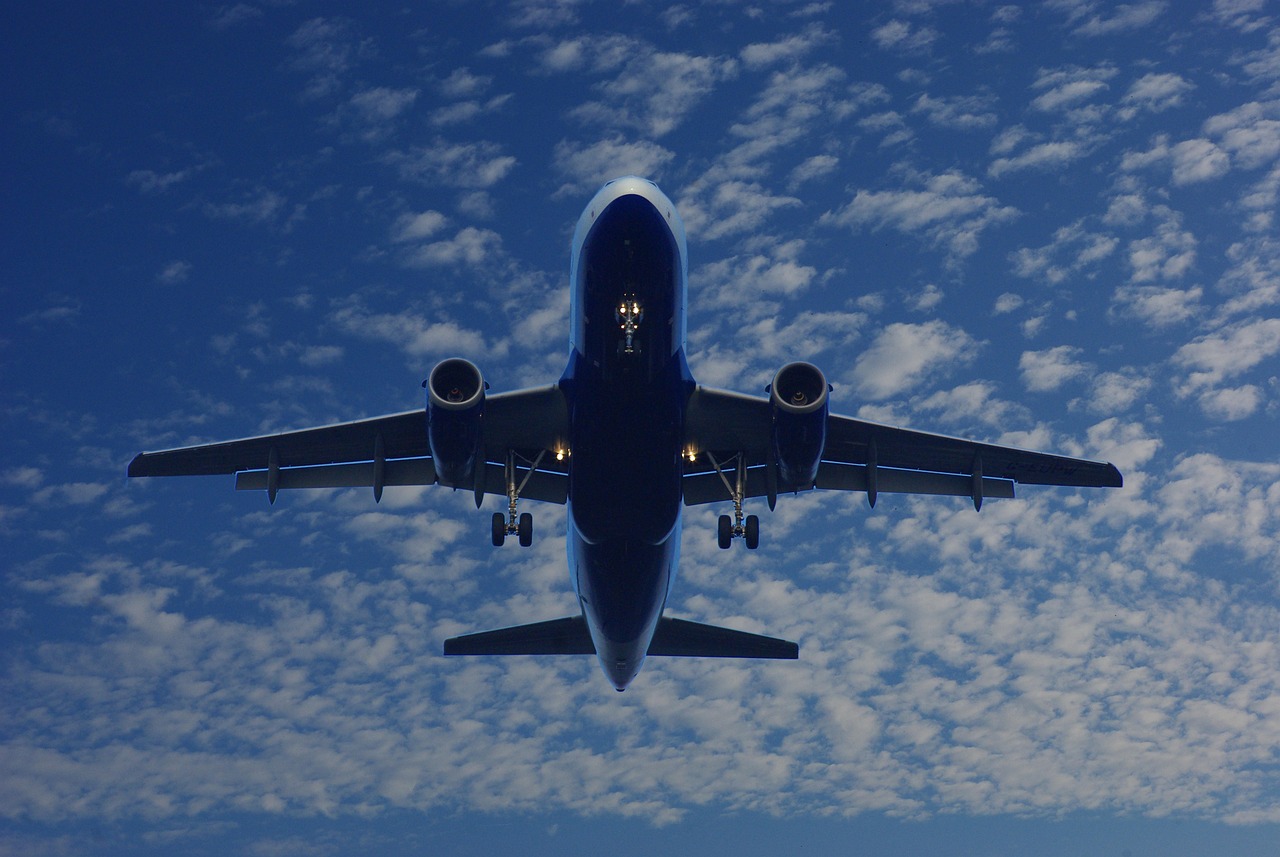
You invested years and thousands of dollars earning pilot certificates, logging flight hours, and building skills that airlines demand. Now one final challenge stands between you and your dream cockpit job: the airline pilot interview.
An Aviation Career Expert explained that airlines evaluate far more than your flight credentials and technical knowledge during these interviews. They assess communication skills, adaptability, teamwork ability, and professional presence because these qualities determine your success in their operation. Strategic preparation for each interview phase helps you stand out among equally qualified candidates.
Airlines build their hiring process to measure technical knowledge, people skills, and professional behavior all at once. Your interview unfolds in three phases that each test different parts of your readiness.
Application screening comes first, where managers review your resume and credentials against the minimum requirements listed in the job posting. Airlines separate required qualifications from preferred ones, so applying without the must-haves wastes time and hurts future applications.
Phone screening follows next, where someone discusses your background and explains what happens during the assessment day. Many pilots treat this call as routine paperwork, but it shows how you communicate and handle basic professionalism.
Face-to-face interviews bring you before a panel of chief pilots, training staff, senior captains, and HR representatives. They ask technical questions about aviation knowledge, plus behavioral questions about past experiences that reveal your decision-making and crew management approach.
Simulator evaluations happen at the training facility, where you fly maneuvers in either basic devices or full-motion simulators. Performance matters less than how you handle pressure, accept coaching, adapt to new equipment, and stay composed during problems.
Technical skills alone won't land you the job because airlines teach procedures and systems during training if you learn quickly. What trips up qualified pilots is misunderstanding what interviewers actually care about during each phase.
Many candidates arrive unprepared for detailed questions about instrument procedures, federal regulations, and aircraft systems that go deeper than checkride prep. Airlines expect you to explain complex ideas clearly and show current knowledge beyond basic memorization.
The simulator reveals whether your instrument scan stays sharp, you follow directions precisely, and you recover from mistakes without getting stuck. Interviewers watch for teachable attitudes where pride doesn't block your ability to accept feedback and adjust technique.
Weak preparation for behavioral questions costs pilots' jobs more often than technical gaps do in the interview room. Interviewers ask about crew disagreements, emergencies you managed, and tough decisions you made under pressure, expecting specific stories with context. Vague answers about what you might do in imaginary situations tell them nothing about your real judgment.
Showing up without knowledge of the company's history, fleet, routes, and recent news signals you want any airline job. Airlines hire pilots who genuinely want to work for their specific operation and understand what makes them different.
Airlines focus technical questions on topics that affect daily operations and training success more than obscure regulations. Instrument flying forms the foundation, so refresh everything from ATP and instrument checkrides thoroughly.
Expect questions about V-speeds and how weight, altitude, and temperature change takeoff and landing performance numbers you calculate. Pitot-static failures come up frequently, with interviewers asking how blocked instruments affect displays and backup gauges during flight.
Federal rules about crew rest, duty time, instrument currency, and approach minimums appear in most airline interviews regularly. Study the materials the airline sends before your interview carefully since they hint at specific topics your panel emphasizes.
Resources that compile actual interview questions from specific airlines help you focus your preparation on relevant material instead of reviewing everything. Booking simulator time before your interview keeps your scan current and proves you can fly smoothly when nervous.
Behavioral questions dig into real situations that reveal character, decision-making, and teamwork ability because past actions predict future performance. Airlines care more about how you actually handled challenges than what you claim you would do.
Pull specific examples from your career that show qualities airlines value: disagreements you resolved professionally with other pilots, emergencies where you stayed calm, mistakes you learned from, and times you exceeded minimums for safety.
Structure answers to describe the situation you faced, the challenge needing attention, actions you took, and results that followed. This format keeps responses focused while giving interviewers concrete details they need to judge your thinking.
Skip criticizing former employers, instructors, or colleagues when describing hard situations since airlines want team players who handle conflict constructively. Focus instead on lessons learned from tough experiences and how those lessons improved your work.
Airlines know pilots represent their brand to passengers who judge the whole company based on flight crew impressions. Your appearance during interviews shows whether you understand this responsibility and can project the image they need.
Wear a dark suit with a pressed white shirt, a conservative tie, dark socks, and polished shoes if you're male. Women should choose professional business attire meeting the same formal standard with similar attention to polish and fit.
Cover all visible tattoos completely and remove facial piercings because most airlines ban these during operations and expect compliance. Arrive fifteen minutes early with documents organized in a professional portfolio instead of backpacks that clash with your image.
Bring original logbooks, certificates, medical, passport, and requested documents the airline listed in your invitation email or letter. Organization counts because fumbling through messy papers suggests carelessness that might show up in preflight checks or company paperwork.
Simulator evaluations test how fast you learn procedures, maintain control under stress, and accept instruction when things go sideways. Interviewers know you've never flown their aircraft type, so they don't expect perfect landings on the first try.
They do expect a disciplined scan, keeping you ahead of the aircraft, clear communication about actions and needs, and humility to accept coaching. Making mistakes matters far less than how you respond and whether you immediately apply feedback to improve next time.
Most profiles include level-offs, speed changes, heading turns, VOR or NDB intercepts, approaches, and go-arounds, plus engine failures. Airlines often share the exact profile beforehand so you can mentally rehearse callouts, power settings, and configuration changes.
Practicing procedures mentally before assessment day helps tremendously, and booking simulator sessions ensures your scan stays current for multiple tasks. Refresher training pays off during evaluations if your instrument skills have gotten rusty since your last flying job.
Send brief thank-you emails to each interviewer within a day, expressing genuine appreciation and restating your enthusiasm for their team. This follow-up reinforces the positive impressions you made and shows you understand basic professional courtesy that matters in business.
Reflect honestly on how things went, which questions challenged you, where you felt confident, and what you'd answer differently. This thinking improves future interviews if this opportunity doesn't work out and identifies knowledge gaps worth addressing regardless.
Stay patient during the waiting period since airlines take weeks making final decisions while completing background checks and reviewing candidates. Keep your skills current and continue applying elsewhere because building momentum beats waiting passively for one company's answer.
Preparation separates pilots who earn offers from equally qualified candidates who struggle in interviews despite strong flying backgrounds. Study technical material that actually gets tested, develop concrete behavioral examples, present yourself professionally, and show the teachable attitude airlines value above almost everything else.
The interview isn't about proving you're already perfect but showing you have the foundation and mindset to become excellent through their training. Structured interview preparation focused specifically on pilot assessments can give you the expert guidance and focused practice that turns solid preparation into confident interview performance and job offers.


