New to Dungeons & Dragons 3.5? This step-by-step guide covers the core rulebooks, gameplay basics, and insider tips for creating your first character—with expert insights to help you master one of the most customizable editions ever released.
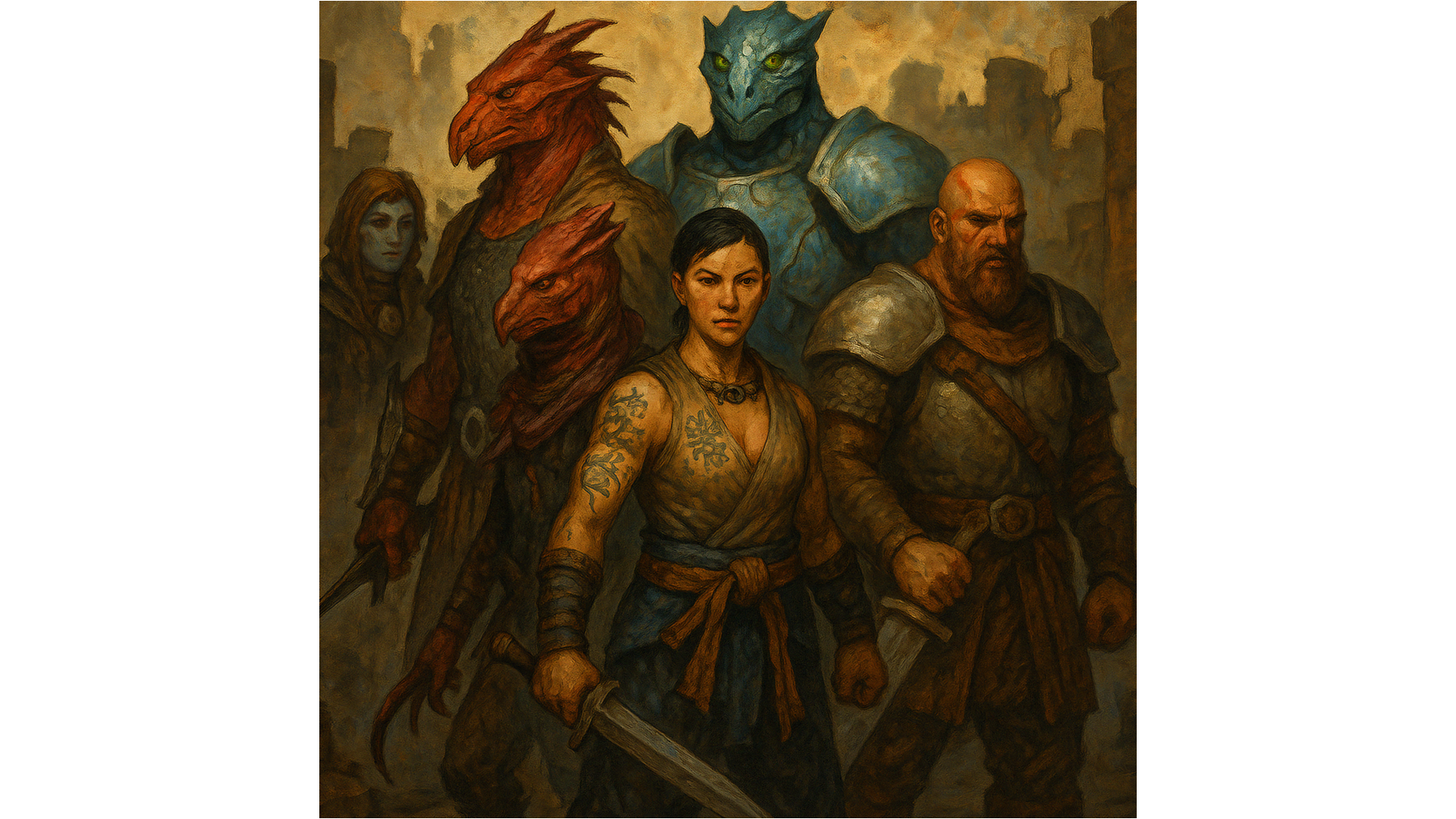
For beginners, opening the Player's Handbook for the first time can feel like stepping into a labyrinth. The sheer number of races, classes, feats, and spells can be intimidating—and that's before you discover the over 80 expansion books, 60 base classes, 350 prestige classes, and hundreds of playable races that make this edition so deep. But that complexity is exactly why 3.5 still has a loyal following: it rewards creativity and detailed character planning.
To start, you'll need three core rulebooks: the Player's Handbook, Dungeon Master's Guide, and Monster Manual. These cover the rules, classic monsters, and guidance for Dungeon Masters (DMs) to create adventures.
Other essentials include:
You don't need to memorize every rule—think of the books as reference tools you'll return to during play.
Most actions in D&D 3.5 use the same foundation: roll a d20, add modifiers, and aim to meet or exceed a target number. Combat is tactical and often played on a grid, where movement, positioning, and abilities matter as much as the dice roll.
Characters grow by gaining levels, which unlock new abilities, spells, and feats. This progression offers immense customization, but also means beginners will want to learn in stages.
Begin with the Player's Handbook. Choose a race and class combination that suits your playstyle—for example:
Fill in your ability scores, skills, and equipment on a character sheet. New players often benefit from joining a group with an experienced DM or using pre-generated characters for their first few sessions.
Active online spaces like Reddit's r/DnD and r/3d6, or , are valuable for rules discussions, build advice, and campaign tips. Virtual tabletops such as Roll20 and Fantasy Grounds make remote play accessible. For in-person gaming, sites like penandpapergames.com and meetup.com can help you find local groups.
While D&D 5e dominates sales—with combined revenues for the brand estimated at $266-$285 million annually in recent years—3.5 continues to attract players who value tactical combat and high customization. Its complexity supports intricate builds, making it a favorite among optimizers and those with wargaming backgrounds.
Third-party creators still publish for 3.5, keeping the ecosystem alive even as Wizards of the Coast focuses on newer editions.
According to tabletop RPG specialists at Stellar Dragon Games, many beginners try to master every rule before their first session—a mistake that can stall momentum. Instead, focus on:
"Treat your early sessions like practice," they advise. "The rules are there to serve the story, not the other way around."
Beyond the game, research shows that tabletop role-playing can boost creativity, problem-solving skills, and teamwork. A 2023 doctoral dissertation from Liberty University explored D&D's potential as a therapeutic tool for trauma and mental health—benefits that apply across all editions.
Whether you're building your first character or exploring advanced mechanics, D&D 3.5 offers a rewarding mix of strategy and storytelling. Start small, lean on the community, and let the game grow with you. For guidance on mastering , seeking advice from experienced groups and designers can help you enjoy the edition's full potential.


