Modern orthodontic practices are discovering that content marketing powered by AI can dramatically outperform traditional advertising, but only when you implement the right framework that most practices completely overlook.
Orthodontic practices face intense competition in today's digital environment. While traditional marketing methods still play a role, content-led approaches powered by AI offer sustainable pathways to patient acquisition and retention. The key lies in understanding how modern patients research treatment options and creating valuable resources that guide them through their decision-making process.
TLDR: Content marketing transforms orthodontic practices from passive service providers into trusted authorities in their field.
When potential patients search for information about braces, Invisalign, or treatment costs, practices that provide educational content naturally capture their attention. This approach builds credibility long before the first appointment, creating a foundation of trust that traditional advertising cannot match.
The effectiveness stems from addressing patient questions at every stage of their journey. From initial awareness ("Do I need braces?") to consideration ("How much does orthodontic treatment cost?") and decision-making ("Which orthodontist should I choose?"), content marketing meets patients where they are. Practices that adopt content strategies often see improved visibility, better patient education, increased loyalty, and stronger website traffic that converts to new patient acquisition.
Omnichannel360's Create, Repurpose, and Distribute model shows how strategic content distribution across multiple high-authority platforms creates the kind of online presence that drives sustainable practice growth.
Successful orthodontic content starts with understanding what patients actually want to know. Common questions include treatment duration, pain management, dietary restrictions, and cost breakdowns. Creating detailed answers to these questions positions the practice as helpful and knowledgeable. The most effective content addresses specific concerns like "What can I eat with braces?" or "How long does Invisalign treatment take?" rather than generic promotional material.
This patient-focused approach requires listening to actual conversations happening in the practice. Questions asked during consultations, phone inquiries, and online reviews all provide insight into content topics that will connect with the target audience. The goal is creating resources so valuable that patients bookmark them and share them with friends considering treatment.
Once high-quality content exists, the repurposing phase multiplies its impact. A detailed blog post about "The Complete Guide to Getting Braces" transforms into multiple assets: short-form videos for social media, infographics highlighting key points, email newsletter content, and podcast episodes. Each format serves different audience preferences and consumption habits.
Video content particularly works well with orthodontic patients because treatment involves visual transformation. Before-and-after footage, treatment process explanations, and patient testimonials work exceptionally well in video format. These same stories can become written case studies, social media carousels, and newsletter features, maximizing the value of each patient success story.
Content distribution separates successful practices from those struggling to gain visibility. Publishing content only on the practice website limits reach significantly. Strategic distribution involves sharing across dental industry publications, local news outlets, health and wellness platforms, and niche orthodontic communities. This multi-platform approach creates backlinks, increases domain authority, and exposes the practice to audiences beyond their immediate geographic area.
The key is maintaining consistency across platforms while adapting content for each audience. LinkedIn articles might focus on practice management insights, while Facebook posts emphasize patient success stories. Instagram works well for behind-the-scenes content and treatment progress updates. Each platform serves a purpose in the overall distribution strategy.
Artificial intelligence excels at optimizing existing content rather than creating it from scratch. AI tools analyze patient search patterns, identify trending topics, and suggest keyword optimizations that improve search visibility. They can also improve readability, suggest better headlines, and recommend optimal posting times based on audience engagement patterns.
The most effective AI applications in orthodontic marketing focus on data analysis and optimization. Tools can identify which content formats perform best, which topics generate the most engagement, and which distribution channels drive the highest conversion rates. This information guides future content creation decisions and budget allocation.
AI algorithms can analyze anonymized patient data to identify trends and preferences without violating privacy regulations. This analysis reveals insights about patient demographics, treatment preferences, and decision-making factors that inform content strategy. Understanding that teenage patients prefer video content while adult patients value detailed written guides helps practices create more targeted materials.
The key is implementing AI solutions that maintain strict HIPAA compliance while providing actionable insights. Anonymous data analysis can reveal seasonal treatment trends, geographic preferences, and age-related concerns that shape content calendars and distribution strategies.
AI assists in building genuine social media communities by identifying optimal engagement opportunities and suggesting personalized responses to patient inquiries. However, authentic community building requires human oversight to ensure responses feel genuine and maintain the practice's voice. AI can schedule posts, suggest hashtags, and identify trending topics, but the actual community interaction should feel personal and authentic.
Social media algorithms can collect insights about patient preferences, enabling practices to offer timely educational content and promotional materials. This proactive approach helps practices stay top-of-mind during the lengthy orthodontic decision-making process.
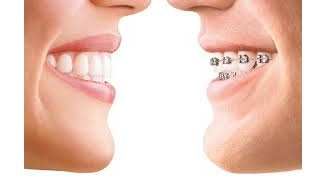
Educational content demystifies orthodontic treatment and reduces patient anxiety. Detailed explanations of different treatment options, step-by-step process guides, and timeline expectations help patients make informed decisions. Content should address both traditional braces and modern alternatives like Invisalign, explaining the pros and cons of each approach.
Visual content works particularly well for treatment education. Before-and-after photo galleries, treatment progress videos, and illustrated process guides help patients understand what to expect. This transparency builds trust and reduces the fear factor that often prevents people from seeking orthodontic care.
Cost concerns rank among the top barriers to orthodontic treatment. Detailed cost guides, insurance navigation resources, and payment plan explanations address these concerns directly. Content should explain factors that influence treatment costs, insurance coverage typical scenarios, and available financing options.
Transparency about costs builds trust and qualifies leads more effectively. Patients who understand pricing before their consultation are more likely to move forward with treatment. This approach also reduces time spent on consultations with patients who aren't financially prepared for treatment.
Patient success stories provide social proof and emotional connection that technical explanations cannot match. These stories should highlight diverse patient experiences, different age groups, and various treatment challenges. Video testimonials tend to be most effective, but written case studies and photo series also work well.
The most compelling success stories focus on life changes beyond straight teeth. Stories about increased confidence, improved oral health, and better quality of life connect more deeply than purely cosmetic improvements. These narratives help potential patients envision their own transformation journey.
Local search optimization remains vital for orthodontic practices since most patients prefer providers within reasonable driving distance. Blog content should incorporate location-specific keywords naturally while providing genuine value. Topics like "Orthodontic Treatment Options in [City Name]" or "Choosing an Orthodontist in [Region]" capture local search traffic effectively.
Beyond basic location targeting, local SEO content should address community-specific concerns. School district considerations, local insurance providers, and regional lifestyle factors all provide content opportunities that connect with local audiences. This approach builds stronger community connections while improving search visibility.
Video content typically drives higher engagement rates than text-based content across most platforms. Orthodontic practices benefit from various video formats: treatment explanations, patient testimonials, behind-the-scenes practice tours, and educational series. Consistency in video publishing builds audience expectations and improves platform algorithm performance.
Short-form videos work well for social media platforms, while longer educational videos perform better on YouTube and practice websites. Live Q&A sessions, treatment consultations (with patient permission), and real-time progress updates create authentic connections with potential patients. The key is maintaining professional quality while feeling accessible and genuine.
The integration of AI with content marketing strategies represents the future of orthodontic practice growth. AI tools support human creativity and expertise rather than replacing them, creating more efficient processes and better patient connections. Practices that adopt these technologies while maintaining authentic patient relationships position themselves for sustained success in an increasingly competitive market.
"Success requires commitment to consistent content creation, strategic distribution, and continuous optimization based on performance data.," explains Omnichannel360. "The practices that thrive will be those that view content marketing not as an additional task, but as a fundamental component of patient care that begins long before the first appointment."


