Learn essential pool deck safety tips for Texas homeowners. Discover warning signs, surface solutions, and maintenance strategies to prevent dangerous slips and falls around your pool area.
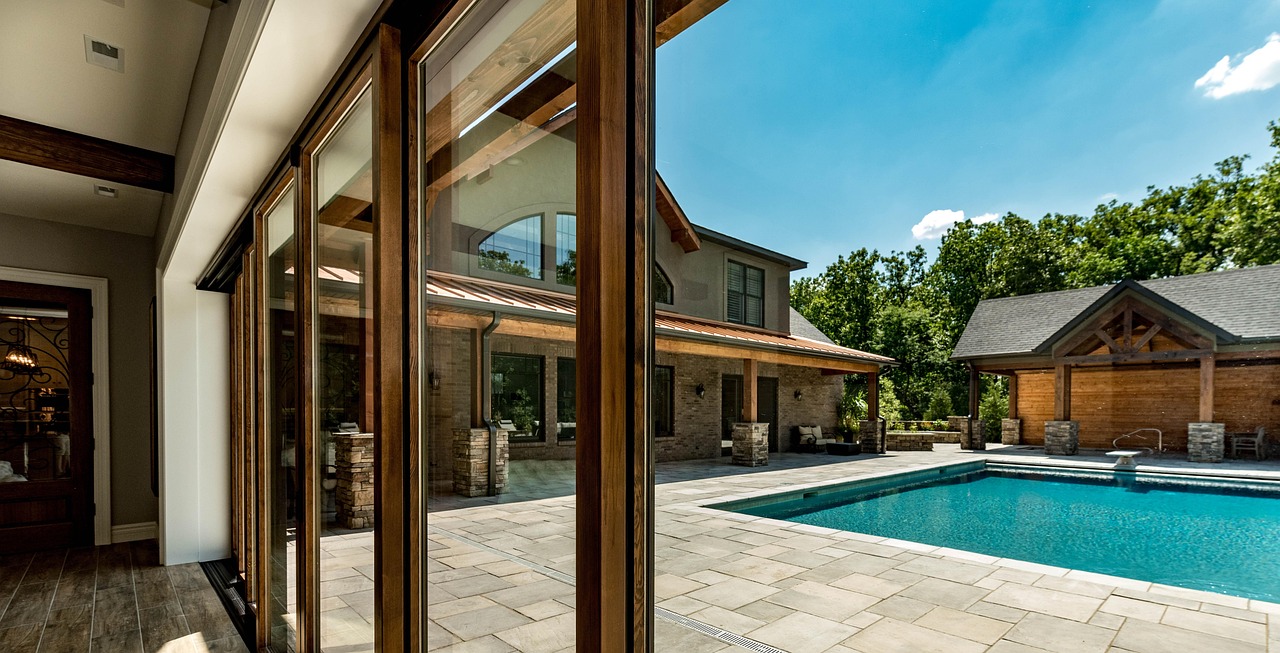
You're hosting a family barbecue on a perfect Texas afternoon. Kids are jumping in and out of the pool, adults are relaxing with drinks, and then it happens—your nephew slips on the wet pool deck and nearly takes a hard fall. According to the Consumer Product Safety Commission, over 4,000 pool-related injuries occur annually from slips and falls on deck surfaces alone.
That close call might be your wake-up call that your pool area needs serious attention.
Your pool deck faces challenges that most other concrete surfaces never encounter. Texas heat can reach extreme temperatures that cause concrete to expand and contract, creating micro-cracks where water seeps in. When sudden afternoon thunderstorms hit, that smooth concrete becomes as slippery as ice.
Most homeowners assume their concrete deck is "safe enough" because it looks fine. But appearances deceive you. Standard concrete becomes dangerously slick when wet, and Texas humidity means your deck stays damp longer than you realize.
Run your hand across your pool deck when it's dry. If it feels completely smooth, you're looking at a slip hazard waiting to happen. Safe pool decks need texture you can actually feel—not just see.
Check for these warning signs:
Walk around your pool area after swimmers have been in and out. Do you see water pooling in certain spots? These areas become slip traps that put your family and guests at risk.
You can maintain your pool deck's safety with regular cleaning and basic maintenance.
Some safety improvements require professional expertise and specialized materials. Surface texturing, slip-resistant coatings, and structural repairs need proper application to work effectively.
Professional solutions include:
Different treatments offer different benefits. Textured overlays physically change your deck's surface to provide grip even when wet. Slip-resistant coatings add texture while sealing and protecting the underlying concrete.
Consider your specific needs: Do you need major repairs, or just improved traction? How much foot traffic does your deck handle? What's your budget for both initial treatment and long-term maintenance?
Your family's safety around the pool depends on having proper traction underfoot. Start by doing a simple wet test: spray water on your deck and walk across it in bare feet. If you feel any slipperiness, you need to address the problem.
Consider scheduling a professional pool deck assessment to identify safety risks you might miss. A small investment in proper surface treatment can prevent serious injuries and give you peace of mind every time your family enjoys the pool.
Local companies like Woodlands Decorative Concrete specialize in pool deck safety solutions for Texas homeowners. They use polyaspartic coatings that cure quickly in high heat and textured microtopping overlays designed specifically for wet environments.


