Synthwave’s massive 2025 comeback is more than a nostalgic ride. Modern producers are using specific hardware and production techniques to recreate those iconic ’80s sounds. But which synthesizers actually deliver authentic retro tones, and what secret techniques separate amateur tracks from professional ones?
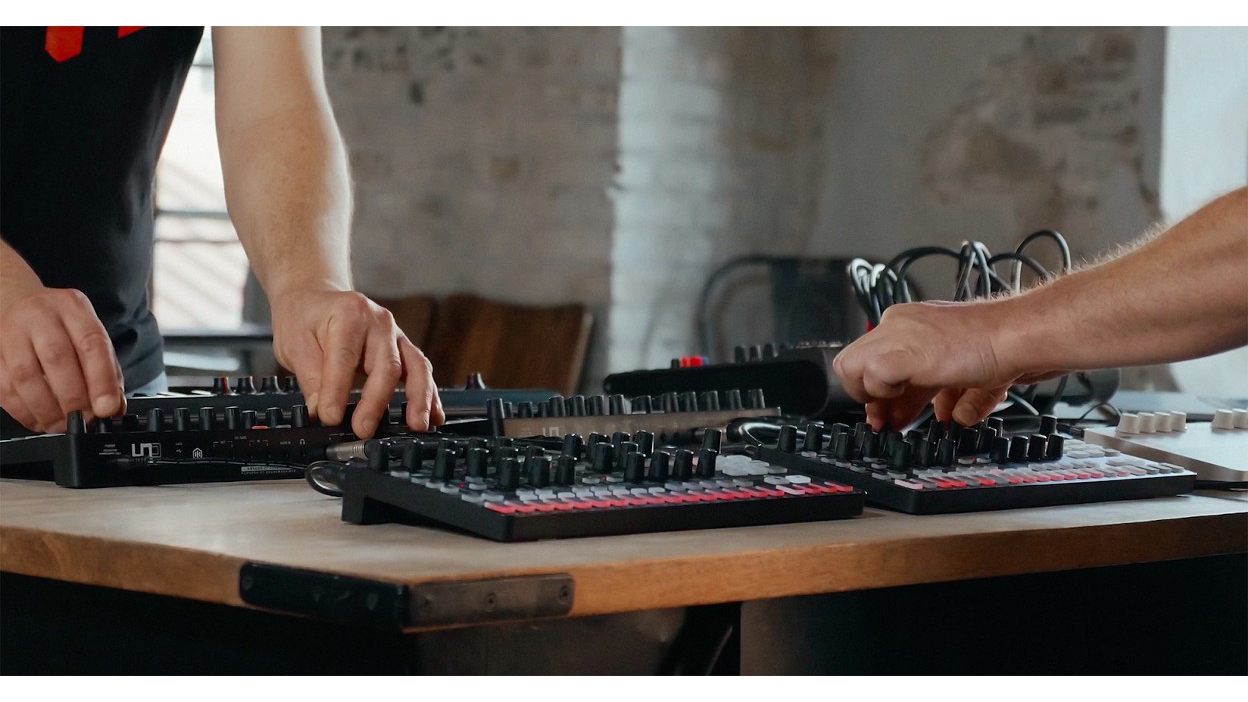
The neon-soaked soundscapes of synthwave have captured a new generation of music creators. This retro-futuristic genre offers a perfect mix of nostalgic warmth and modern production possibilities, making it an exciting frontier for musicians ready to work with vintage-inspired electronic music.
The synthwave revival isn't happening by accident. Popular shows like Stranger Things and movies with retro aesthetics have sparked renewed interest in the atmospheric, neon-drenched sounds of the 1980s. Beyond entertainment, the genre has found its footing in gaming soundtracks, fashion, and visual art, creating a complete aesthetic movement that extends far beyond music.
What makes this resurgence particularly exciting is how accessible the tools have become. While original synthwave pioneers needed expensive vintage analog gear to capture that authentic '80s character, today's musicians can achieve professional results with modern synthesizers that blend classic analog warmth with contemporary reliability and features.
The genre draws inspiration from iconic film soundtracks like Blade Runner and Tron, video game composers, and electronic music legends including John Carpenter, Jean-Michel Jarre, and Vangelis. Artists like Kavinsky, The Midnight, Perturbator, FM-84, and Gunship demonstrate the genre's diverse range, from cinematic soundscapes to danceable retrowave anthems.
The music production equipment experts at online retailer Sam Ash explain that creating authentic synthwave requires synthesizers capable of producing the warm, analog-inspired tones that define the genre. Modern instruments have evolved to offer both vintage character and contemporary functionality, making it easier than ever to capture those nostalgic soundscapes.
The Sequential Take 5 stands out as a five-voice analog synthesizer that delivers genuine Prophet-series warmth in a compact, affordable package. Each voice provides two voltage-controlled oscillators with smooth wave shape morphing, plus a sub-oscillator for extra bass weight. The oscillator sync feature creates rich harmonic textures that feel perfectly at home in synthwave productions.
The standout "Vintage" knob adds slight inconsistencies across oscillators and envelopes, simulating the charming imperfections of classic analog gear. Combined with the authentic Prophet-5 Rev 4 filter, dual digital effects including tape delay and BBD emulations, and a 64-step sequencer, the Take 5 makes it incredibly easy to dial in those coveted '80s tones with modern control and reliability.
The Roland JD-Xi proves that great synthwave sounds don't require a massive budget. This hybrid synthesizer combines a monophonic analog section perfect for punchy leads and warm basses with two polyphonic digital engines for layered textures and modern sounds. The real treasure, though? Its built-in drum machine is loaded with classic Roland TR-808, TR-909, and CR-78 sounds that form the rhythmic backbone of retro-inspired tracks.
Built-in effects like delay, phaser, and bit crusher help shape sounds further, while the compact design and affordable price point make it an ideal starting point for producers entering the synthwave world. Despite its small size, the JD-Xi offers enough flexibility to handle everything from gritty basslines to shimmering atmospheric pads.
The Nord Lead A1 focuses on streamlined sound design and high-quality tone, making it a go-to choice for synthwave producers who want quick access to classic '80s-inspired sounds. Using digital oscillators combined with analog-style filters, it delivers sharp leads, lush pads, and dreamy atmospheric textures with remarkable authenticity.
The interface prioritizes speed and intuition, allowing musicians to tweak sounds quickly without diving into complex menus. Modulation and effects are immediately accessible, making it easy to shape and evolve patches in real-time. The lightweight, road-ready design makes it equally valuable for studio work and live performances, where its reliable operation and classic sounds shine.
Beyond the right hardware, synthwave's distinctive sound comes from specific production techniques that recreate the character and atmosphere of '80s electronic music. These methods transform basic synth sounds into the lush, nostalgic textures that define the genre.
The rhythmic foundation of synthwave relies heavily on classic Roland drum machine sounds, particularly the TR-808 and TR-909. These vintage units created the punchy kicks, crisp snares, and metallic hi-hats that became synonymous with '80s electronic music. Modern producers typically access these sounds through high-quality sample packs rather than original hardware.
The key lies in programming patterns that feel both classic and contemporary. Straightforward four-on-the-floor patterns work well at slower tempos, while faster tracks benefit from more creative kick placement. Closed hi-hats on every sixteenth note create the driving rhythm, while carefully placed claps and percussion elements add groove and interest to the overall pattern.
Sidechain compression serves as one of synthwave's most recognizable production techniques. By routing the kick and snare drums to compress the bassline, producers create the characteristic "pumping" effect that makes bass parts seem to breathe with the rhythm. This technique transforms static basslines into dynamic, pulsing foundations that drive tracks forward.
The effect works particularly well on deep, rhythmic basslines that follow chord progressions while playing consistent sixteenth-note patterns. When properly applied, sidechain compression creates space for drums while adding movement and energy to the low-end. The technique also works effectively on pad sounds and other sustained elements, creating cohesive rhythmic interplay across the entire mix.
Gated reverb on snare drums creates one of the most instantly recognizable sounds of the '80s era. This technique applies heavy reverb to the snare, then uses a noise gate to cut the reverb tail abruptly, creating a dramatic, explosive effect that adds power and presence without muddying the mix.
The key to effective gated reverb lies in the timing and intensity of the gate settings. The reverb should bloom quickly and cut off sharply, creating that signature "crack" that defines many classic synthwave tracks. Modern plugins make this effect more controllable than ever, allowing producers to fine-tune the reverb character and gate behavior to match their specific vision.
Creating a synthwave track follows a logical progression that builds from rhythmic foundation to atmospheric layers. Understanding this process helps producers structure their compositions effectively while maintaining the genre's essential character.
Synthwave tracks typically fall between 80 and 140 BPM, with many classic examples sitting around 85-110 BPM. This tempo range provides enough energy to keep tracks engaging while allowing space for the lush, atmospheric elements that define the genre. Start with a simple kick pattern on beats one and three, with snare hits on beats two and four.
Layer in closed hi-hats on every sixteenth note to create the driving rhythm that propels synthwave tracks forward. Add subtle percussion elements like claps, shakers, or electronic percussion to add groove without overwhelming the core pattern. Sample selection matters enormously - every drum sound should fit within that nostalgic '80s universe.
The bassline forms the harmonic and rhythmic foundation of most synthwave tracks. Start with saw or square wave oscillators to create rich, full-bodied bass tones that cut through the mix effectively. Program simple patterns that follow your chord progression while maintaining consistent sixteenth-note or eighth-note rhythms.
Apply sidechain compression to make the bassline duck whenever the kick and snare hit, creating that signature pumping effect. Experiment with filter sweeps and resonance to add movement and interest to static bass patterns. The bass should provide both harmonic support and rhythmic drive, anchoring the track while leaving room for melodic elements above.
Atmospheric pads create the lush, dreamy backdrop that gives synthwave its emotional depth. Use warm, analog-style pad sounds with generous amounts of chorus, delay, and reverb to create spacious, enveloping textures. Layer multiple pad sounds at different octaves to create rich harmonic content without muddying the mix.
Lead synthesizers should cut through the mix with bright, focused tones that capture attention without overwhelming other elements. Arpeggiated sequences work particularly well for creating melodic interest and movement. Apply modulation through filter sweeps, pulse width modulation, or pitch bend to keep lead parts engaging throughout the track.
Many synthwave tracks benefit from cinematic elements that add to the nostalgic, retro-futuristic atmosphere. Consider sampling segments from movies, video games, or vintage advertisements to create interesting introductions or transitions. These elements should support the overall mood without becoming distracting or gimmicky.
When incorporating vocals, processing becomes vital to achieving the right aesthetic. Pitch shifting, vocoder effects, and heavy reverb can transform ordinary vocal performances into otherworldly, atmospheric elements that fit seamlessly within the synthwave soundscape. Keep vocal parts relatively simple, focusing on melody and atmosphere rather than complex lyrics or performances.
The synthwave revival has made this exciting genre more accessible than ever, but having the right tools still makes all the difference in achieving professional results. Modern synthesizers like the Sequential Take 5, Roland JD-Xi, and Nord Lead A1 combine vintage character with contemporary reliability, making it possible to capture authentic '80s tones without the hassles of vintage gear maintenance.
Beyond hardware selection, mastering core production techniques like sidechain compression, gated reverb, and proper drum programming transforms basic sounds into the lush, atmospheric textures that define great synthwave productions. The genre's appeal lies not just in nostalgia, but in its ability to create immersive sonic landscapes that transport listeners to neon-soaked, retro-futuristic worlds.
With the right approach, any producer can tap into synthwave's emotional power and create tracks that capture both the warmth of the past and the excitement of the future.
For musicians ready to work with synthwave production, Sam Ash provides the synthesizers, expertise, and support needed to bring those neon-soaked musical visions to life.


