Wondering if your old furniture is worth the reupholstery cost? Learn the 5 key signs that indicate when restoration makes financial sense vs. buying new. Get expert evaluation tips to make the right decision for your family heirlooms and beloved pieces.
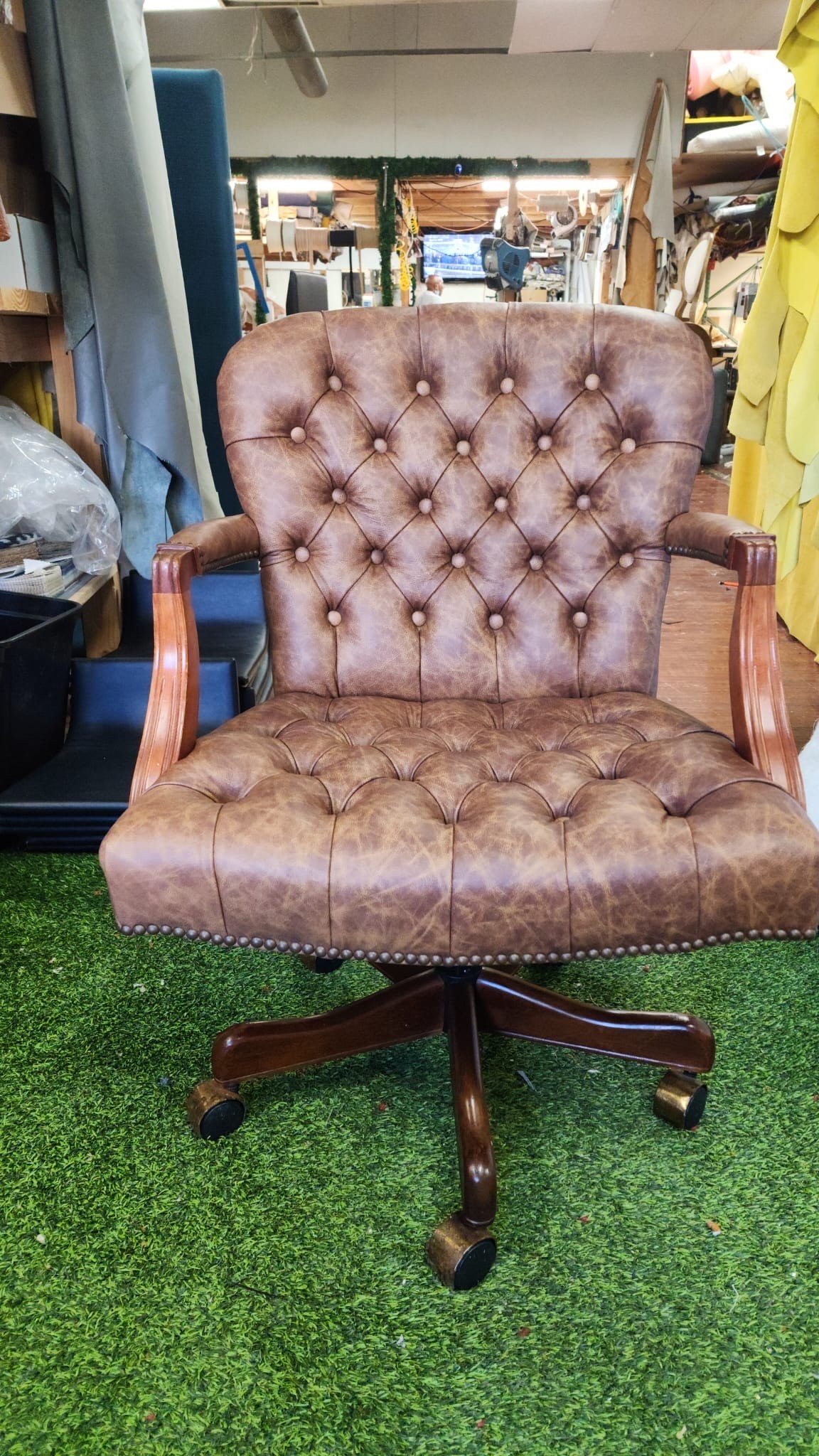
That beautiful armchair from grandma’s house has seen better days. The fabric is faded, maybe there’s a tear in the arm, and it’s looking decidedly tired in the corner of the living room. But when reupholstery quotes start rolling in at $800, $1,200, or more, the question becomes, is this piece actually worth saving?
Each year, Americans toss more than 12 million tons of furniture; many of these discarded pieces have solid bones that could serve families for decades more. The challenge lies in knowing which ones deserve a second chance and which should head to the donation pile.
Pacific Palisades custom furniture upholsterer shares tips on how to tell when a worn-out favorite deserves new fabric and when it’s time to let go.
Here's a quick way to evaluate whether the furniture should be considered for reupholstering.
When none of these deal-breakers apply, it’s worth taking a closer look.
Quality furniture starts with quality bones. Solid hardwoods like oak, maple, and ash give a piece the heft and stability needed for decades of use.
Try the lift test: remove the cushions and lift one end. A good frame feels noticeably heavy. If the frame feels surprisingly light, it likely contains particle board or hollow construction unsuitable for reupholstering.
Joints held together with dowels or screws (not just staples) are another good sign.
Experts consistently recommend frame quality as the primary indicator of reupholstery worthiness. Without solid bones, even expert craftsmanship cannot create lasting results.
Pieces made before the 1980s often reflect an era when furniture was built to last and to be reupholstered again and again.
Manufacturing labels can reveal where and when a piece was made. North Carolina and other traditional furniture hubs are known for higher construction standards.
Several simple tests reveal whether furniture possesses the structural integrity necessary for successful reupholstery.
Sometimes the real worth is personal. Family heirlooms carry memories you can’t buy. A sofa that fits a tricky alcove or a chair broken into perfect comfort may be priceless, even if the math says otherwise.
Done right, reupholstery can outlast many new pieces. A well-built frame with fresh fabric often gives 15–20 more years of service. Add in the ability to pick the exact fabric, tweak cushion firmness, or adjust the style, and the investment can make long-term financial sense.
Even with sentimental value, some pieces simply aren’t candidates:
A practical checklist helps keep the decision clear:
If you answer yes to most of the questions, a professional evaluation is the next smart move.
Experienced upholsterers can spot hidden structural issues and give realistic estimates for repairs and fabric. They know how to judge construction techniques and material quality, details most of us would miss.
The decision to reupholster or replace furniture ultimately depends on individual circumstances, but understanding quality indicators, structural integrity, and economic factors provides the foundation for confident choices.


