Tired of raccoons raiding your trash and deer demolishing your garden? Standard fencing won’t stop these clever Virginia invaders, but there’s one surprisingly effective solution most homeowners overlook that creates lasting behavioral change.
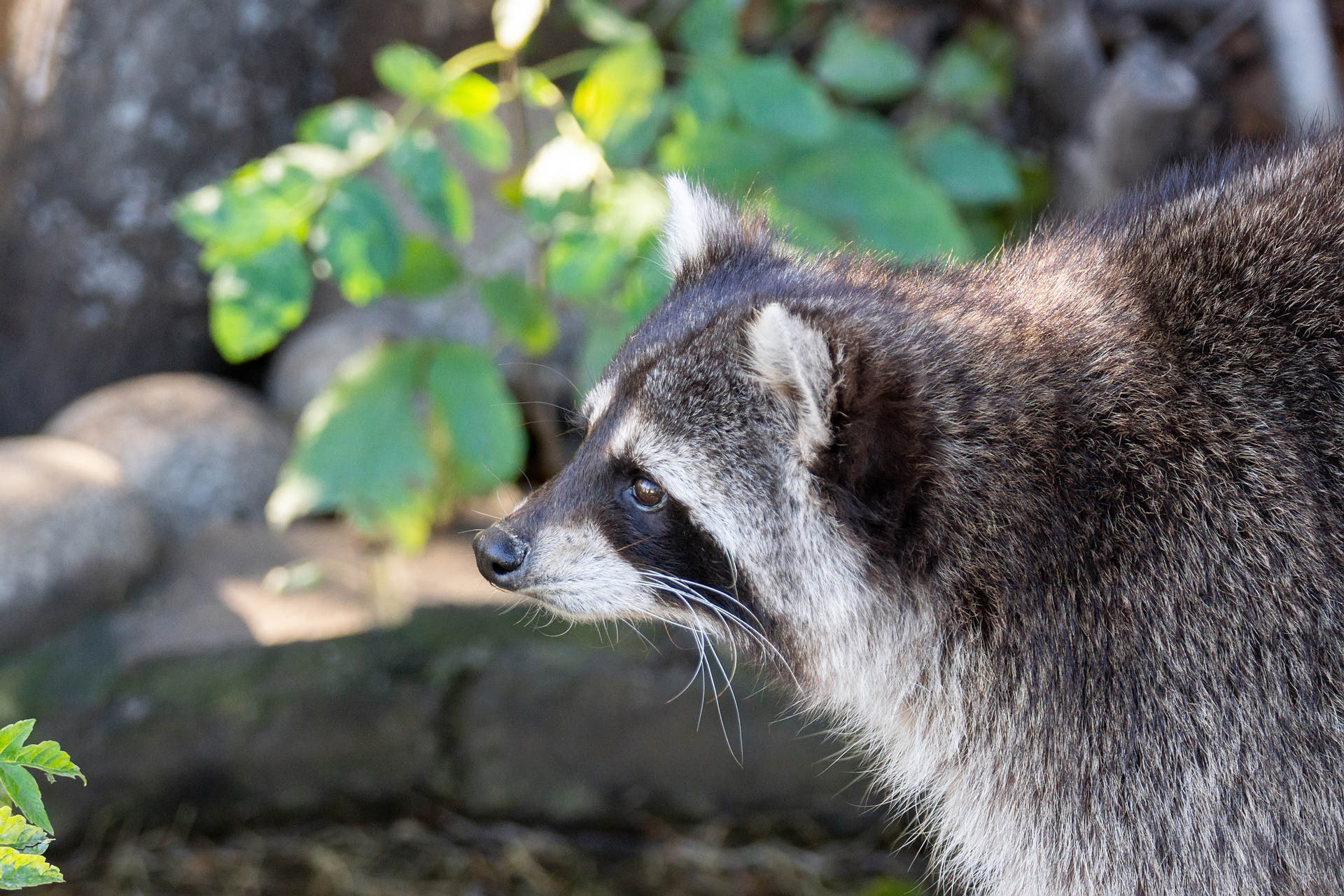
Virginia homeowners face unique challenges when dealing with raccoons and deer, two of the most persistent and destructive yard visitors in the state. These intelligent animals have adapted remarkably well to suburban environments, often outsmarting traditional deterrent methods that work on other wildlife species.
Traditional fencing creates a false sense of security for most Virginia property owners. Raccoons possess remarkable climbing abilities and dexterous paws that allow them to scale virtually any vertical surface, including smooth fence posts. Their problem-solving intelligence means they quickly learn to exploit weaknesses in standard barriers.
Deer present a challenge with their jumping capabilities. While they can leap eight feet or higher, a seven to eight-foot fence is generally recommended to deter them. Suburban deer populations in Virginia often exceed those found in wilderness areas due to abundant edge habitat and easily accessible forage in residential landscapes.
The biggest misconception homeowners have involves fence height alone. Both raccoons and deer can overcome height through different methods - raccoons climb while deer jump. Connor's Pest Pros wildlife control experts emphasize that effective exclusion requires understanding each animal's specific behaviors and capabilities. Standard residential fencing typically lacks the specialized design features necessary to deter these adaptive creatures.
Successful wildlife deterrence combines multiple approaches rather than relying on single solutions. The most effective strategies target different senses and behavioral patterns simultaneously, creating an environment that feels unsafe or unrewarding for these animals.
Effective barriers require specific design modifications beyond standard fencing. For raccoons, barriers need slanted tops or overhangs that prevent climbing access. The angle should extend outward at least 18 inches from the fence top, creating an impossible climbing angle for their paws.
Deer-resistant barriers must reach minimum heights of eight feet, though nine to ten feet provides better security. More importantly, deer cannot judge distances well when obstacles appear closer together. Installing a secondary lower fence three to four feet in front of the main barrier creates a psychological deterrent that prevents jumping attempts.
Repellents work by targeting animals' acute sense of smell and taste. Commercial products like Bonide Repels-All use natural ingredients to create unpleasant sensory experiences without harming animals and can protect plants and property for up to two months, though effectiveness may vary. Application timing proves critical for repellent effectiveness.
Early evening applications work best since both raccoons and deer are primarily nocturnal feeders. Consistent reapplication after rainfall ensures continuous protection throughout Virginia's variable weather patterns.
Visual deterrents like plastic owls and hawk decoys can create the impression of a predator, but their effectiveness diminishes if they remain stationary. Moving them regularly enhances their impact and maintains their psychological effect on wildlife.
Motion-activated devices provide superior results compared to static deterrents. Sudden lights, sounds, or movements trigger immediate flight responses in both raccoons and deer. Solar-powered options offer convenient installation without electrical requirements, making them practical for most residential applications.
Habitat modification addresses root causes rather than symptoms of wildlife problems. Unsecured garbage cans represent prime feeding opportunities for raccoons, whose intelligence allows them to open most standard lids. Heavy-duty, locking receptacles eliminate this major attractant.
Pet food left outdoors creates consistent food sources that establish feeding patterns. Both raccoons and deer quickly learn meal schedules and return regularly to exploit these resources. Removing pet food at dusk prevents overnight feeding opportunities that encourage territorial behavior in your yard.
Electric fencing delivers immediate negative reinforcement that creates lasting behavioral modification in both raccoons and deer. Unlike other deterrent methods that may lose effectiveness over time, properly installed electric barriers maintain consistent deterrence through memorable negative experiences.
The psychological impact of electric shock creates avoidance behavior that persists long after initial contact. Animals develop strong negative associations with the protected area, often avoiding the vicinity entirely rather than testing the barrier repeatedly. This learned behavior proves more reliable than physical barriers that determined animals might eventually overcome.
Electric fencing also provides cost advantages over tall traditional barriers. A properly designed electric system costs significantly less than eight to ten-foot privacy fencing while delivering superior effectiveness. The modular nature allows for easy expansion or reconfiguration as landscape needs change.
Raccoon-specific installations require multiple wire levels to accommodate their climbing behavior. Wires positioned at six inches, twelve inches, and eighteen inches above ground create overlapping protection zones. The bottom wire prevents ground-level access while higher wires deter climbing attempts.
Deer installations focus on height and spacing rather than multiple levels. Single or double wires at forty-two to forty-eight inches above ground target the chest and head areas where deer make contact during jumping attempts. Proper voltage levels (typically 4,000 to 6,000 volts) ensure adequate shock intensity without causing serious injury.
Homemade deterrents offer economical alternatives to commercial products while utilizing common household items. These recipes provide effective short-term solutions and work well as part of integrated pest management approaches.
Garlic repellents exploit both animals' sensitive olfactory systems with strong, persistent odors. The most effective recipe combines crushed garlic cloves with water and a small amount of liquid soap to improve adherence. Steep four to six crushed cloves in two cups of hot water for several hours, then strain and add one tablespoon of liquid dish soap.
Application coverage determines success rates with garlic barriers. Spray solutions directly onto plants and around property perimeters, focusing on known travel routes and feeding areas. Reapplication every three to four days maintains scent intensity, especially after rain or heavy dew that dilutes the mixture.
Strong-scented soaps create olfactory barriers that suggest human presence to wildlife. Irish Spring and similar deodorant soaps work effectively when hung in mesh bags throughout protected areas. The combination of unfamiliar chemical scents and human association triggers avoidance responses in both raccoons and deer.
Human hair adds another layer of human scent that reinforces territorial boundaries. Hair collected from brushes or barber shops can be scattered around garden perimeters or stuffed into mesh bags for easier placement. The scent remains effective for several weeks in dry conditions, though moisture reduces longevity significantly.
Certain situations exceed the scope of DIY solutions and require professional expertise to ensure safety and legal compliance. Recognizing these circumstances prevents escalation into dangerous or legally problematic situations.
Raccoons pose significant health risks through disease transmission, particularly rabies and raccoon roundworm. Direct contact with infected animals or their waste materials can expose homeowners to serious illnesses requiring immediate medical intervention. Professional wildlife control specialists possess proper protective equipment and training to handle potentially infected animals safely.
Histoplasmosis presents another serious concern when dealing with accumulated animal waste. Both raccoons and deer can carry parasites like fleas, ticks, and mites that transmit additional diseases including Lyme disease. These health risks justify professional intervention rather than attempting removal without proper safety precautions.
Virginia maintains strict regulations regarding wildlife removal and relocation that create legal liability for homeowners attempting DIY solutions. The state prohibits trapping and relocating animals to other areas, making this common DIY approach illegal. Violations can result in significant fines and legal consequences.
Certain species receive additional protection under state and federal laws. Bats, for example, are protected during specific times of year when disturbing their roosts becomes illegal. The Virginia Department of Wildlife Resources provides tools to locate licensed Commercial Nuisance Animal Permit (CNAP) holders who can legally address wildlife conflicts while ensuring compliance with all applicable regulations.
Early intervention prevents minor wildlife issues from becoming major property damage and health hazards. Both raccoons and deer can cause extensive structural damage when they establish territories in residential areas. Raccoons often access attics, crawl spaces, and other sheltered areas where they cause insulation damage and leave contaminated waste materials.
Deer damage extends beyond garden destruction to include ornamental plantings, expensive landscaping, and even structural elements when they become trapped or panicked in enclosed areas. The suburban abundance of desirable forage creates persistent pressure that intensifies over time without proper management.
Property protection requires proactive approaches that address current issues while preventing future problems. Waiting until damage becomes severe typically results in higher repair costs and more complex removal challenges. Professional assessment can identify vulnerabilities before they become entry points and recommend preventive measures tailored to specific property conditions.
For wildlife control solutions that protect your Virginia property from raccoons, deer, and other nuisance animals, contact Connor's Pest Pros to schedule a professional consultation.


